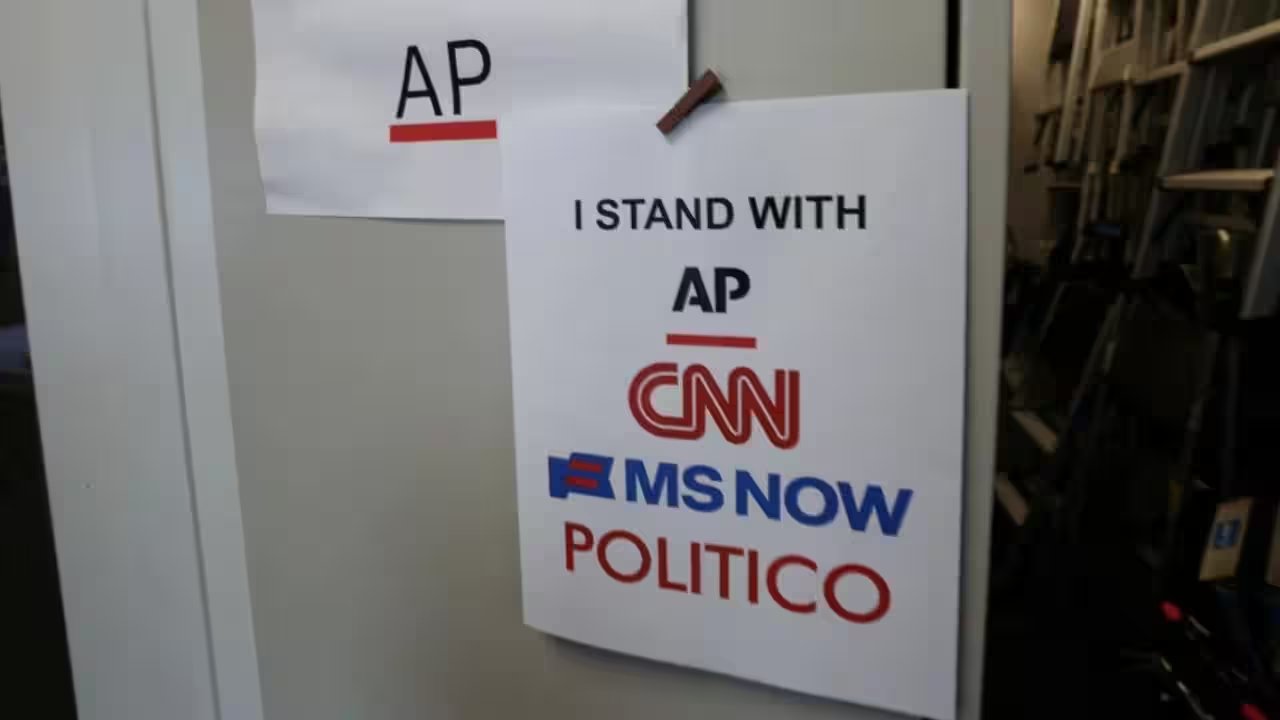
The Justice Department told a federal court late Tuesday that the White House is a controlled facility, not a public square, and that journalists have no independent First Amendment right to enter. In a filing ahead of an emergency hearing, the DOJ argued that access is a “privilege, not a right,” allowing the administration to deny entry for “viewpoint-discriminatory reasons.” This legal stance directly supports the revocation of hard passes for CNN, MS NOW, and Politico, a move the president justified by citing threats to national security.
The White House press office accused the three outlets of publishing sensitive or classified information. The letter to CNN specifically cited a January report on a “top-secret” bunker beneath the east wing and an August story claiming US missile-defence interceptor stocks were depleted. Politico faced criticism for coverage of Secret Service security upgrades and military weapons stocks, while MS NOW was targeted for reports on FBI leak investigations. The administration claims these publications violated minimum standards of professionalism and decorum.
But the outlets argue this is retaliation for their reporting, not a security necessity. They have asked the court to restore access immediately, pointing out how the dispute has already disrupted coverage. Major television networks, NPR, and White House photographers have suspended or reduced live coverage in response to the restrictions. The conflict highlights a sharp divergence between executive control over the presidential complex and due process protections for the press.
Judge Timothy Kelly will preside over the emergency hearing, a critical test of how far presidential authority extends over media access. The court has previously intervened when administrations sought to restrict journalists, making this a high-stakes legal precedent. The White House has given the three organizations until Friday to contest the decision and the factual basis cited in the revocation letters. The outcome will likely shape the legal boundaries of press freedom in the White House for years to come.