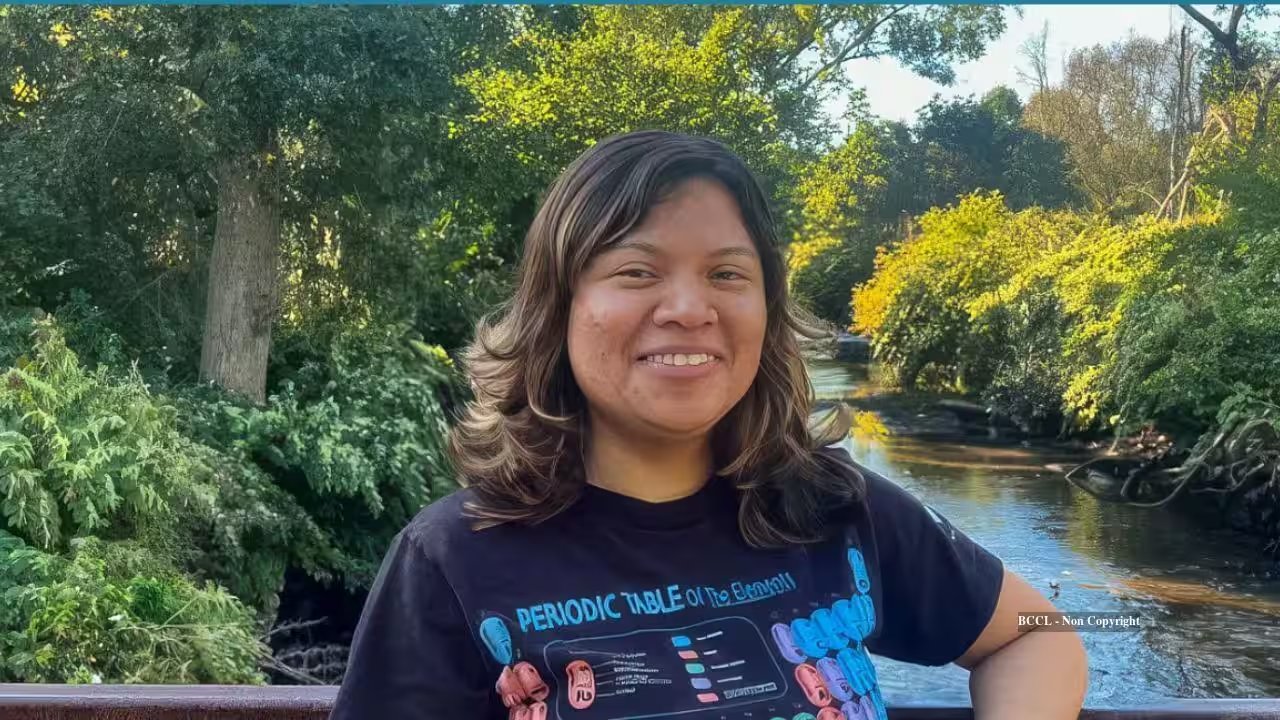
Maritza Sanchez grew up amid the toxic runoff of Cuautlancingo, a small town in Puebla where the Atoyac River runs thick with industrial waste. She turned that childhood exposure into Aquayac Energy, a venture that repurposes discarded materials into microbial fuel cells that generate electricity while filtering polluted water.
The cells rely on bacteria that consume organic matter in the river, releasing electrons that are harvested by electrodes to produce a modest current. Sanchez engineers the cells from locally sourced scrap, then tests each prototype for both power output and post‑treatment water quality. She must prove the dual benefit—cleaner water and usable energy—if the system is to be adopted by the community.
The project’s ambition is concrete: 50 fully functional cells by the end of 2027. That milestone will allow a field trial that can be evaluated by local stakeholders and potential investors. In March 2026, Earth Island Institute awarded Sanchez the Brower Youth Award, a recognition that brings funding and visibility but no immediate deployment.
Next on the agenda is a pilot launch slated for 15 June 2026 at Mexico City’s National Environmental Conference, where Sanchez will present initial data and outline a scaling plan for the Atoyac basin. The outcome of that presentation will determine whether the prototype can transition from laboratory to real‑world use.