The Bulletin of the Atomic Scientists released a study by Hans M Kristensen, Matt Korda, Eliana Johns and Mackenzie Knight‑Boyle detailing India’s continued modernization of its strategic deterrent. The report underlines that India’s nuclear triad is fully operational, combining aircraft, land‑based missiles and submarines, while maintaining strict opacity about deployment patterns and ranges.
India’s airborne leg still relies on the Mirage 2000 and Jaguar fighters, with the Rafale expected to take over as older platforms retire. These aircraft form the backbone of India’s immediate strike capability, a feature that distinguishes it from other nuclear‑armed states.
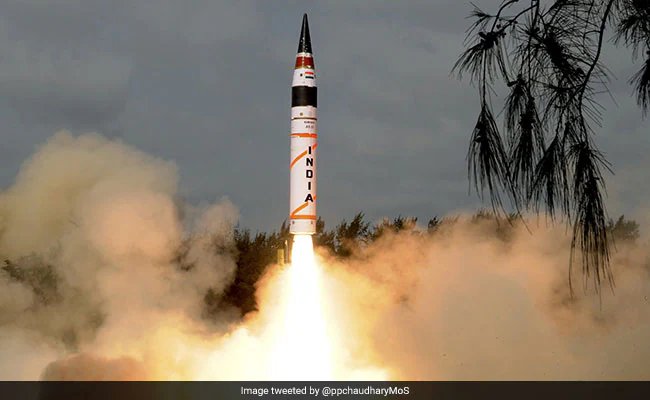
On the ground, the Agni family powers six operational nuclear‑capable ballistic missiles, ranging from 700 km to 6,000 km, with Agni V’s MIRV capability marking a technical leap. The missile’s canister design also reduces reaction time, a decisive factor in deterrence calculations.
The sea segment saw the launch of INS Aridhaman in April 2026, adding to Arihant and Arighaat, while K‑4 submarines inch toward deployment. This expansion strengthens India’s second‑strike credibility and enhances survivability in a conflict scenario.
India’s no‑first‑use doctrine remains unchanged, but the expanded reach of its platforms forces neighboring states to reassess their deterrent postures. Diplomatic channels are expected to open for a regional security dialogue within the next quarter.