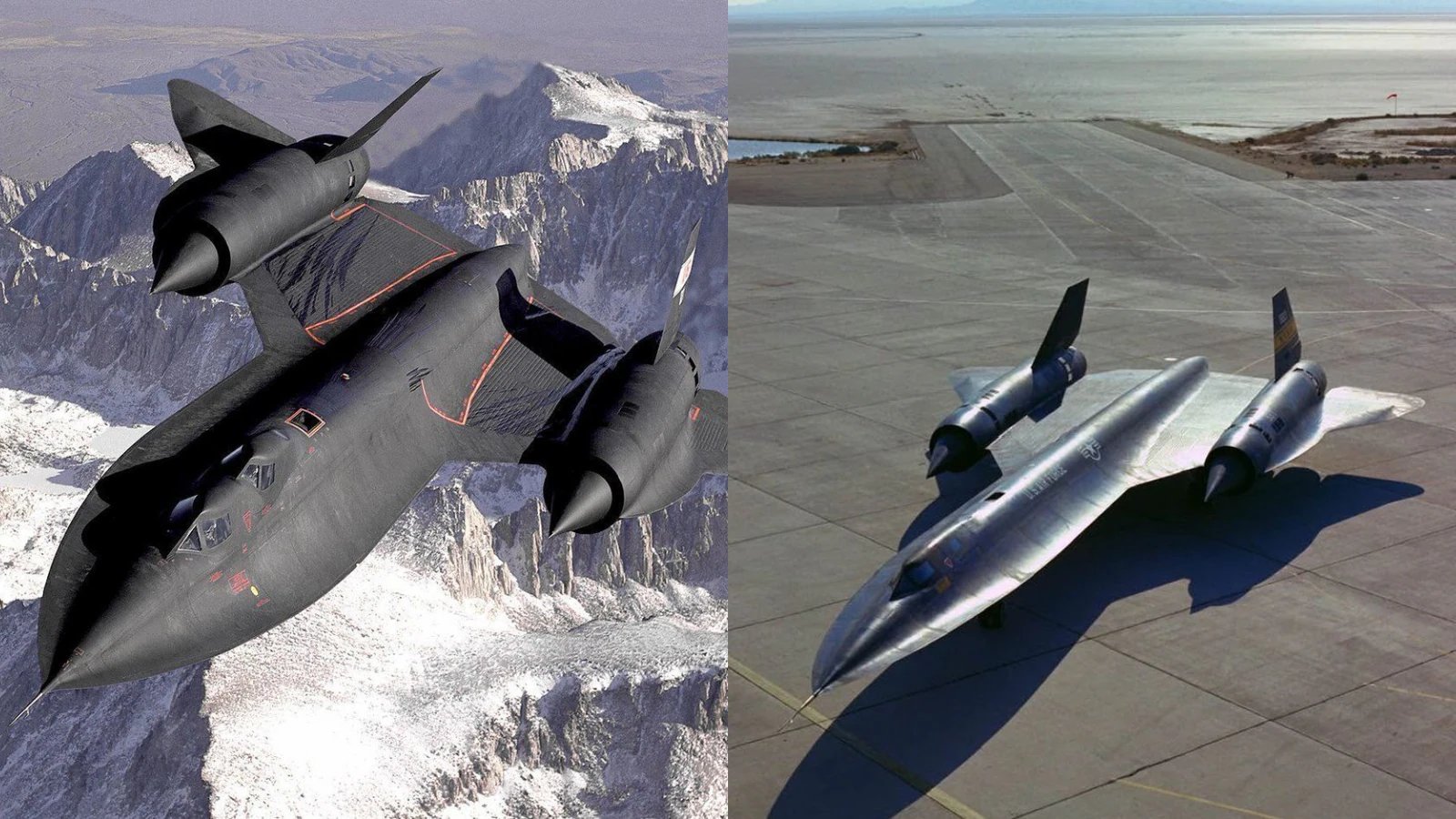
Tail No. 844, the last Blackbird to touch the sky on 9 Oct 1999, has lain on a display pole at Edwards for 27 years. Satellite images released by Aviation Week show the aircraft removed before April and stored in the former Space Shuttle hangar, a move that signals NASA’s intent to restore it.
NASA reached out to a network of veterans who built the Blackbird. David Ash, a former Navy and Joby test pilot, personally contacted Mike Relja, a retired Air Force and NASA test engineer now in his late 70s. Relja recalled, ‘I told the guy, “I’m too old to be doing this… It would be interesting, but I just don’t think you can get there from here.”’
Restoring the jet is a logistical nightmare. Relja warned that engines, which have sat idle for more than three decades, may be corroded. He noted that NASA would need to replace parts that the Air Force and NASA destroyed in 2007, worth about $600 million, and procure rare JP‑7 fuel and triethylborane. Equipment to remove the engines and re‑install seats is also missing.
A NASA spokesperson told Aviation Week that the agency acknowledges interest but has no further details to share. The statement came after NASA Administrator Jared Isaacman revealed plans to develop a new fleet of experimental X‑planes that echo the SR‑71’s high‑speed, high‑altitude capabilities.
The project, if viable, could see the Blackbird take to the skies again in 2027, a date that would spark both nostalgia and scrutiny. Analysts say the effort would also serve as a testbed for future hypersonic research.
For the 38‑year‑old family that has watched the aircraft from the museum’s viewing gallery, the possibility of hearing its engines roar again is a dream that might finally be within reach.