Harry Winston chose a plain registered parcel to ferry the 45.52‑carat Hope Diamond from New York to Washington, D.C., in 1958, a move that surprised collectors and postal officials alike. The package cost $145.29, inclusive of insurance that pegged the stone’s value at $1 million.
The diamond’s provenance stretches back to an Indian mine before 1668, then to the French crown where it was known as the French Blue, before resurfacing in London and eventually landing in the hands of British banker Henry Philip Hope in 1830.
In 1912, American socialite Evalyn Walsh McLean acquired the stone, sparking myths of curses that persist in popular culture. Winston purchased the gem from McLean’s estate in 1949 and, after holding it for nearly a decade, opted to donate it rather than keep it in private hands.
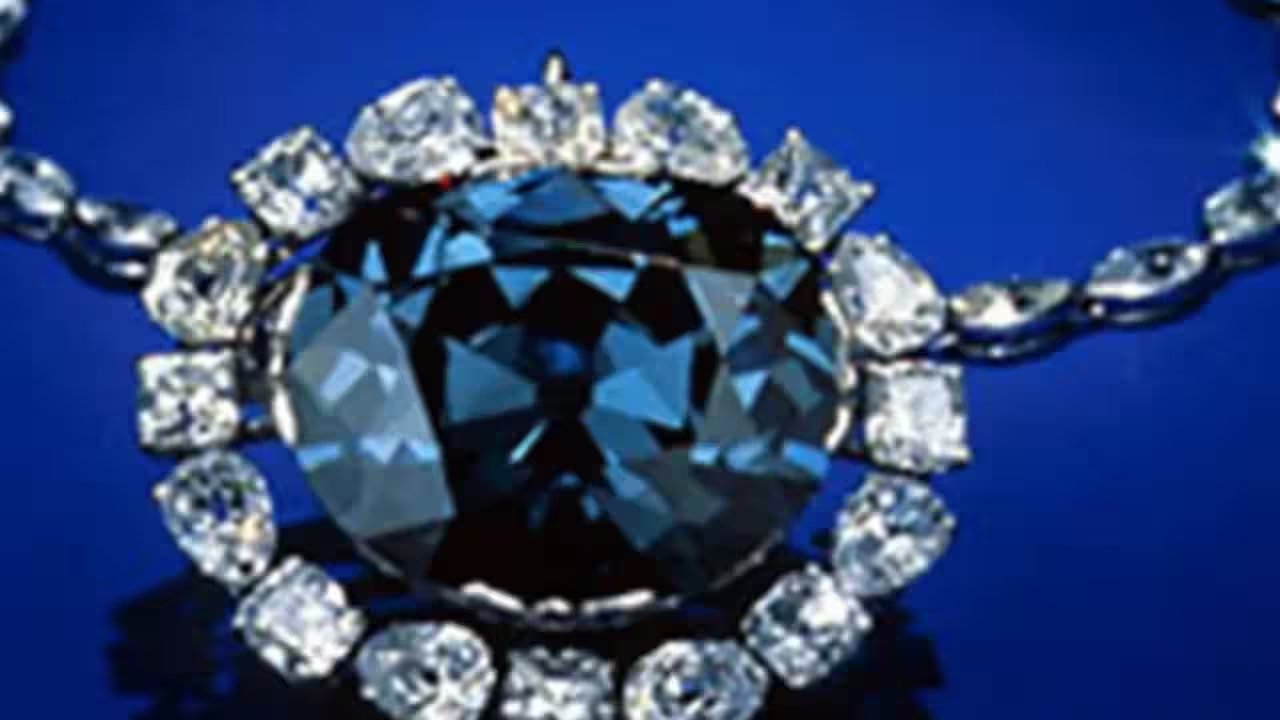
Scientists note the Hope Diamond’s 45.52 carats make it the largest known fancy deep‑blue diamond, its color deriving from trace boron that gives it unique semiconductor properties. Under short‑wave ultraviolet light, it emits a phosphorescent red glow that lingers for seconds.
The Smithsonian’s National Gem Collection now displays the stone in a Cartier‑designed setting surrounded by 16 white diamonds, while the National Postal Museum preserves the original brown‑paper wrapper used for the 1958 shipment, offering a tangible link between royal history and everyday postal service.
Visitors to the National Museum of Natural History in Washington, D.C., can see the Hope Diamond in person, a reminder that a world‑renowned jewel once traveled in a modest parcel, its legacy now firmly rooted in public exhibition.