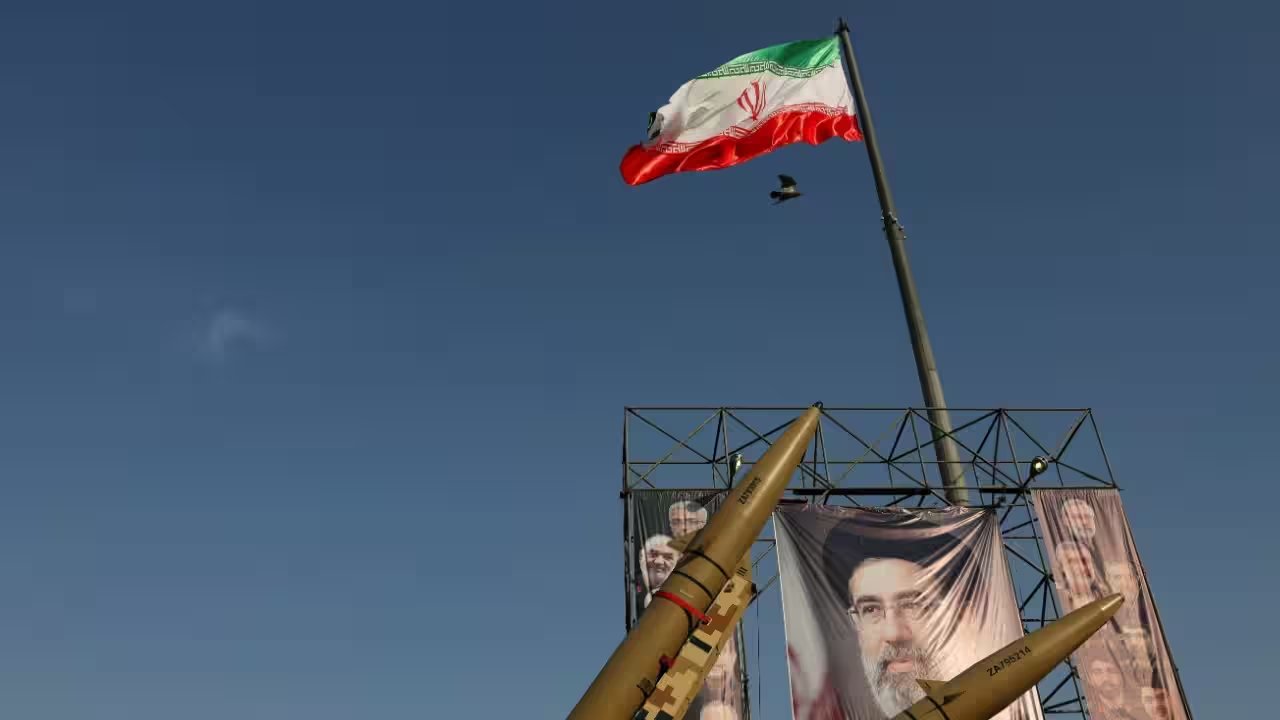
Iran’s military command has reinforced the Pickaxe Mountain and Natanz nuclear complexes with new perimeter walls and surveillance drones, a move confirmed by satellite imagery released by the State Department. Mohsen Rezaei, Iran’s chief security adviser, told the Wall Street Journal that the country would consider targeting the United Arab Emirates’ data centers and internet cables if Washington escalates strikes.
Iran’s warnings extend beyond the Gulf; officials have signaled potential strikes on Saudi oil facilities and have urged Arab leaders that the regime could strike regional infrastructure, including shipping lanes in the Strait of Hormuz, if hostilities resume. The threat comes as Iranian forces have already approached UAE territory during a brief cross-border raid in September.
In the West, the Pentagon has moved a dozen B‑1 bombers from a British military base to the Middle East in anticipation of a possible Iranian attack. A third aircraft carrier strike group is also being dispatched, and the U.S. is evaluating the deployment of additional air‑defence systems to regional bases.
Domestic support in Tehran has surged: state media aired rallies that drew tens of thousands, while billboard ads in Tehran promoted civilian training courses in shoulder‑fire missiles and sniper rifles. The Revolutionary Guard has also showcased female commando units and sent soldiers to local schools to recount earlier conflicts.
The stakes were raised on Sunday when a drone attack set the Emirati tanker Petro Dolphin ablaze off Oman, leaving two Indian sailors missing. Earlier that weekend, Iranian missiles struck three commercial vessels in the Strait of Hormuz, underscoring the regime’s willingness to target shipping.
With the U.S. reinforcing its Middle East posture, Iran’s latest actions could trigger a broader regional flashpoint. Washington’s next decision on whether to launch additional strikes will hinge on the arrival of the new carrier group and the assessment of Iranian missile readiness.