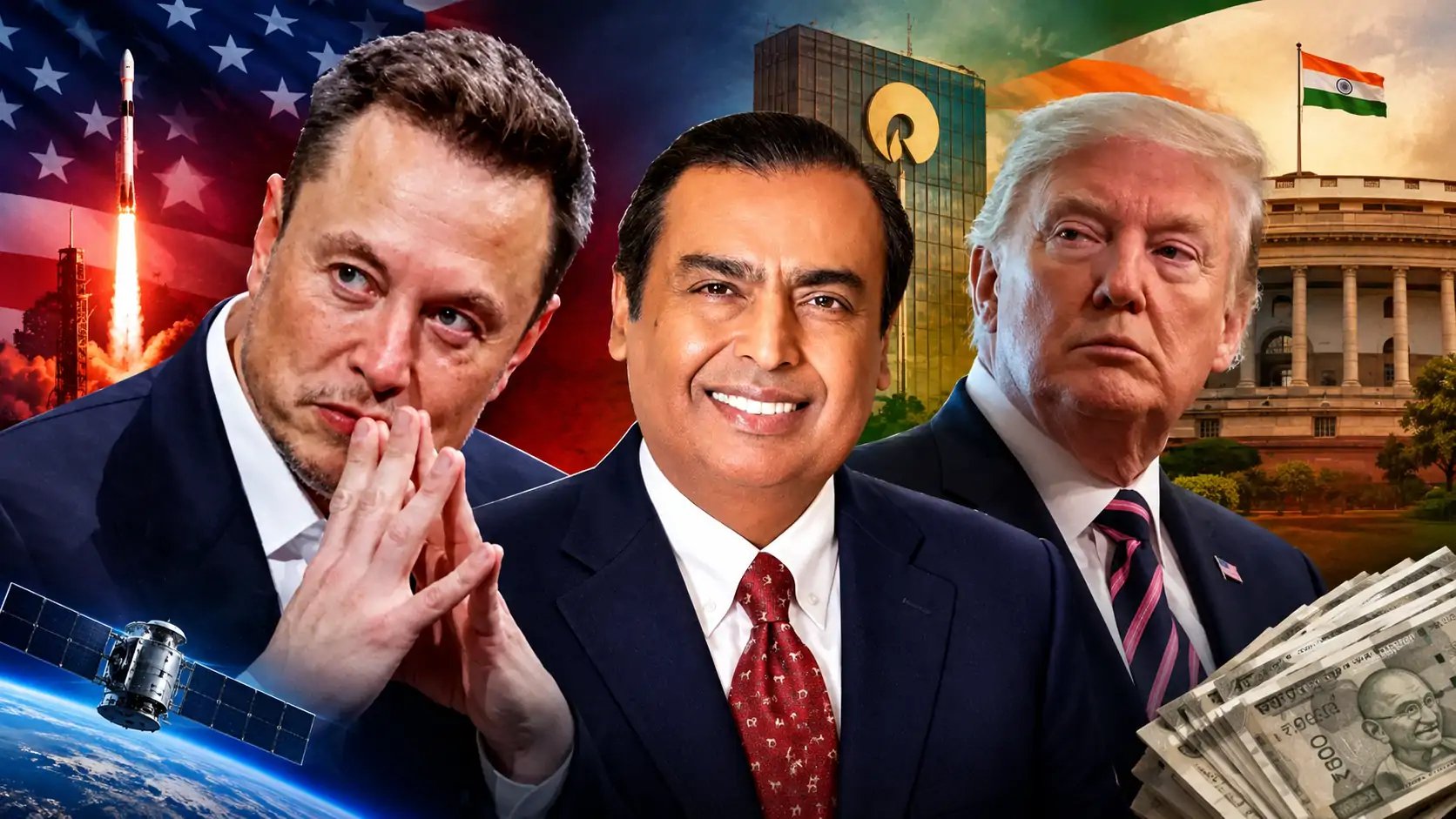
On July 15, 2025, Elon Musk transferred $158 million to the Senate Leadership Fund, the largest single political contribution in U.S. history. The donation eclipses the $53 million in electoral bonds bought by Reliance‑linked Qwik Supply for the BJP. Musk’s spending in the current cycle now totals $366 million, surpassing his $277 million outlay in 2024. This move places him ahead of any other individual donor in the 2026 election cycle.
The donation is part of Musk’s broader strategy that began with $277 million for Trump’s 2024 campaign, according to a Washington Post analysis of Federal Election Commission filings. The funds funnel through America PAC, a super‑PAC he helped establish and largely bankrolls. His contributions have helped finance key Republican Senate candidates, including a $10 million donation to Ken Paxton’s Texas campaign.
Trump has publicly criticized Musk’s political clout, calling him “President Musk” after the former president’s 2024 victory. In June 2025, Musk replied, “Without me, Trump would have lost the election,” underscoring his perceived leverage. The tension resurfaced when Trump awarded Musk the National Medal of Science, prompting questions about the intersection of political influence and scientific honors.
Beyond political donations, Musk’s businesses have secured $38 billion in U.S. government contracts, loans, subsidies, and tax credits over the last decade, with $6.3 billion earmarked for 2024 alone, a figure reported by a Washington Post analysis in February 2025. SpaceX’s IPO prospectus notes that roughly 20 percent of its revenue derives from federal defense work. The Pentagon’s Project Meridian, in which Musk co‑leads, is a 120‑day study on future weapons, aligning with his company’s satellite capabilities. These contracts provide a steady revenue stream that underpins Musk’s political spending.
The scale of Musk’s political and economic influence raises questions about the concentration of power in the hands of a single billionaire. Analysts suggest that his contributions could shape policy debates ahead of the 2026 midterm elections. As the U.S. House of Representatives prepares to review large political donations, Musk’s next move remains a focal point for lawmakers and the public.