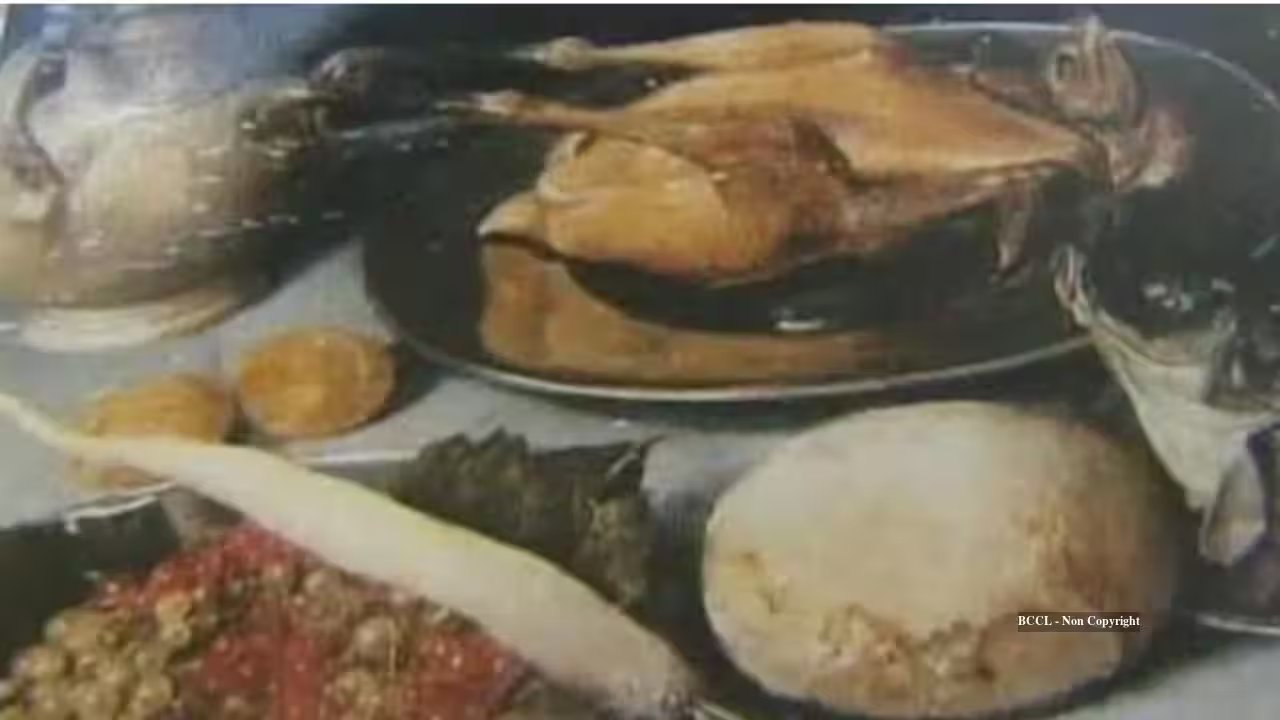
Leroy paid three dollars for a framed still life at a Goodwill store in South Carolina, expecting to make a modest profit of a few hundred dollars. He was an 81-year-old former antiques dealer. His eye for the trade spotted an ornate 19th-century frame, leading him to believe the canvas inside was merely a period piece. He guessed the frame alone was worth $50 and the painting $150. That calculation made the $3 price tag a no-brainer. But the canvas itself was hiding a secret that would outlive his initial estimate by centuries.
The truth emerged roughly a year later when Leroy’s daughter-in-law brought the piece to Antiques Roadshow. Appraisers examined the work and initially valued it between $20,000 and $30,000. A significant jump, but not life-changing. Then they identified the style and pigment. It was a Flemish school work from Amsterdam, dated to approximately 1650. The painting was over 300 years old. Leroy’s instinct about the frame had been correct—Flemish art was popular in the 1800s, so the frame matched the era of framing. But the art inside predated the frame by a full century and a half.
The provenance established by the show paved the way for a consignment with a Massachusetts auction house. In March 2012, the hammer fell at $190,000. Bidders from Worcester, Massachusetts, drove the price far beyond the initial $30,000 high estimate. The final figure represented a return of more than 63,000 times the original cost. It stands as one of the most dramatic thrift-store windfalls on record. Leroy called it the biggest find of his career.
Leroy said he planned to split the proceeds with his son and daughter-in-law, acknowledging their role in bringing the piece to the appraisers. The sale underscores a persistent reality in the art market: documentation often gets lost, allowing masterworks to circulate in plain sight. A keen eye, a curious relative, and professional appraisal turned a casual browse into a historic discovery. The painting’s survival from 1650 to a modern auction floor is a testament to the durability of the Flemish Golden Age tradition.