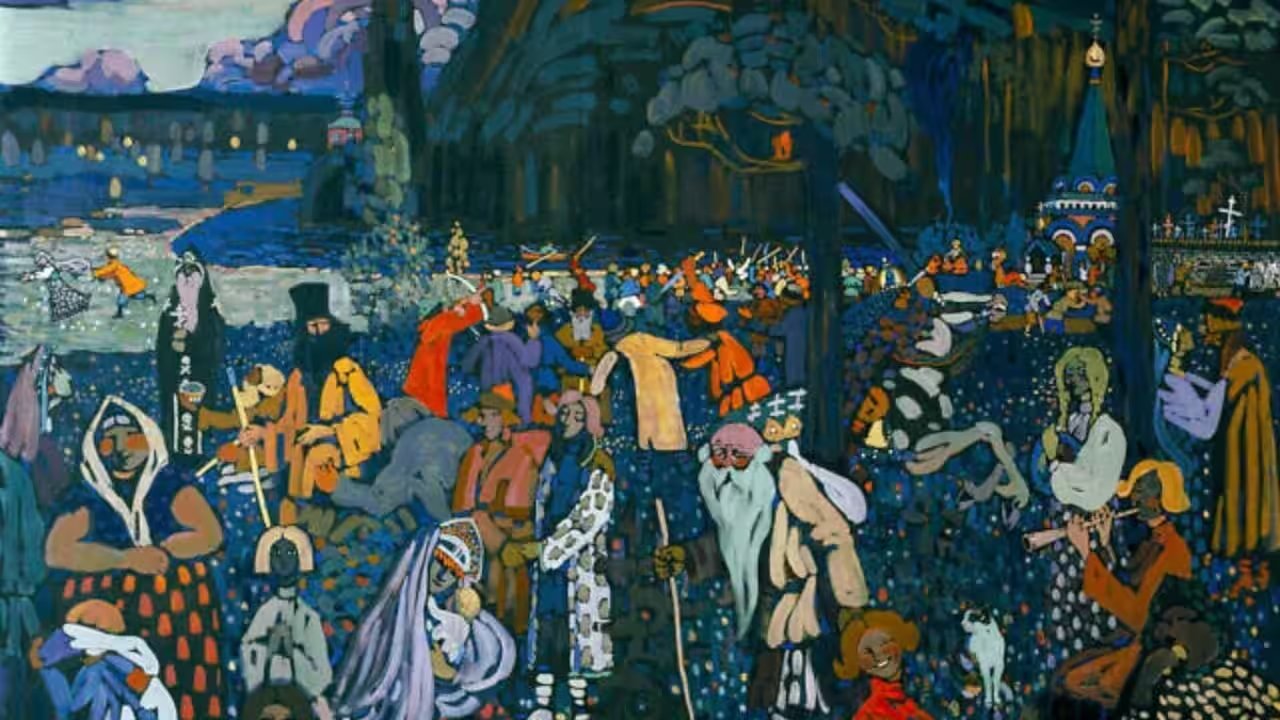
The original sale of Kandinsky’s 1907 canvas, "Das bunte Leben," took place on Oct. 9, 1940, a month after German forces seized the Netherlands— a transaction that later sparked a decades‑long fight for restitution.
In May 2023, an independent German commission ruled the 1940 auction a product of persecution, recommending that the Bavaria state bank return the work. Bayerische Landesbank complied in June, handing the painting back to the Lewenstein heirs for the first time in 83 years.
Christie’s London Evening Sale opened the evening with a pre‑sale estimate of £18‑25 million; within six minutes of bidding, the painting topped the house’s highest price, reaching £31.56 million. The buyer remains unnamed, but the record‑setting hammer price marked the peak of Christie's 20‑21st‑century auction that totaled £218.6 million.
The Lewenstein family, whose parents, Hedwig and Emanuel, had collected the work in Amsterdam, now hold the painting in a private collection. In a statement, the family expressed relief that the decades‑long legal battle had finally concluded, allowing them to preserve a piece of their cultural heritage.
Art historians note that "Das bunte Leben" sits early in Kandinsky’s career, preceding his shift to abstraction. Its sale not only underscores the market’s appetite for early works but also illustrates the ongoing importance of restitution in healing the scars of the Holocaust. The painting will be loaned to the Stedelijk Museum for a special exhibition in 2027, offering the public a rare glimpse of the artist’s formative years.