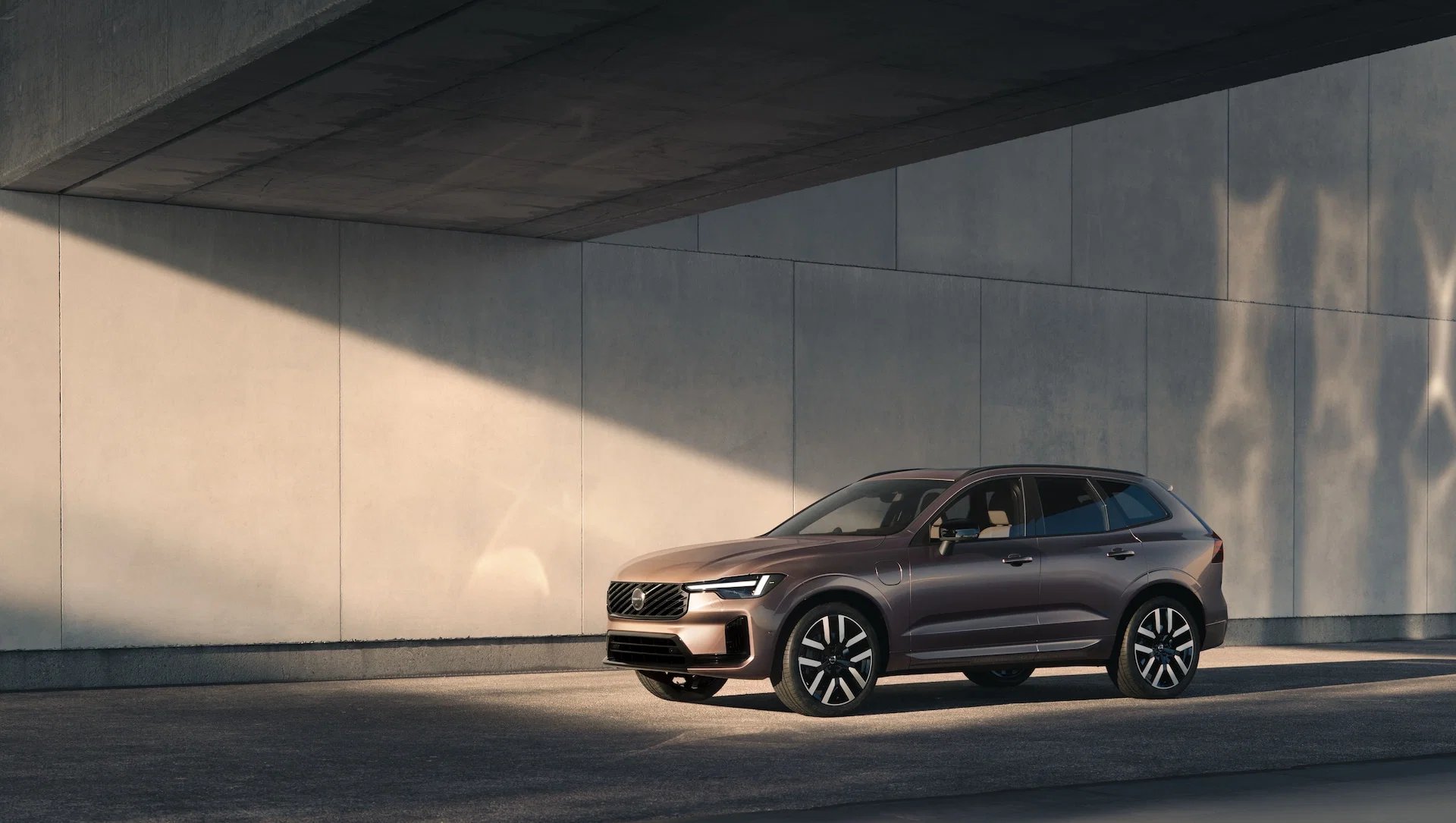
Volvo’s latest XC60 and XC90 plug‑in hybrids now sit on 41.2‑kWh packs, pushing the XC60’s WLTP electric window to 200 km and the XC90’s to 162 km.
That’s a jump of 121 km for the XC60 and 96 km for the XC90, essentially doubling the usable electric slice. Both keep the same 2.0‑litre four‑cylinder at the front and rear‑axle electric motors, but the extra battery adds about 200 kg to the XC60 and 300 kg to the XC90, a trade‑off that will show up in handling and fuel economy when the petrol engine takes over.
Under the hood the system still delivers 461 hp; the XC60 roars 759 Nm and can hit 100 km/h in 4.8 s, while the heavier XC90 pulls 751 Nm and clocks 5.2 s. Buyers who value quick acceleration will find the XC60 a drop‑in upgrade, but the extra mass will bite on the XC90’s high‑speed efficiency.
Stylistically, the XC60 gets a new T‑shaped LED daytime kit, a revised grille and a fresh bumper, while the XC90 stays the same. Inside, the 11.2‑inch infotainment flanks a cleaner dash and the latest Car‑UX software, and the XC60’s driver‑assist suite has upgraded radar and camera modules. Notably, the Indian market currently sells only mild‑hybrid trims—2.0‑litre engines with 250 hp and 360 Nm—priced at ₹70.90 lakh for the XC60 and ₹98.80 lakh for the XC90.
If Volvo rolls the PHEVs into India, the price tag will likely climb above the existing levels, reflecting the larger battery and added tech. The company hasn’t set a launch window yet, but a 2025‑26 timetable aligns with India’s tightening emissions targets and a growing appetite for longer‑range plug‑ins. Keep an eye on Volvo’s dealer network rollout and any price adjustments once the PHEVs hit the Indian showroom.