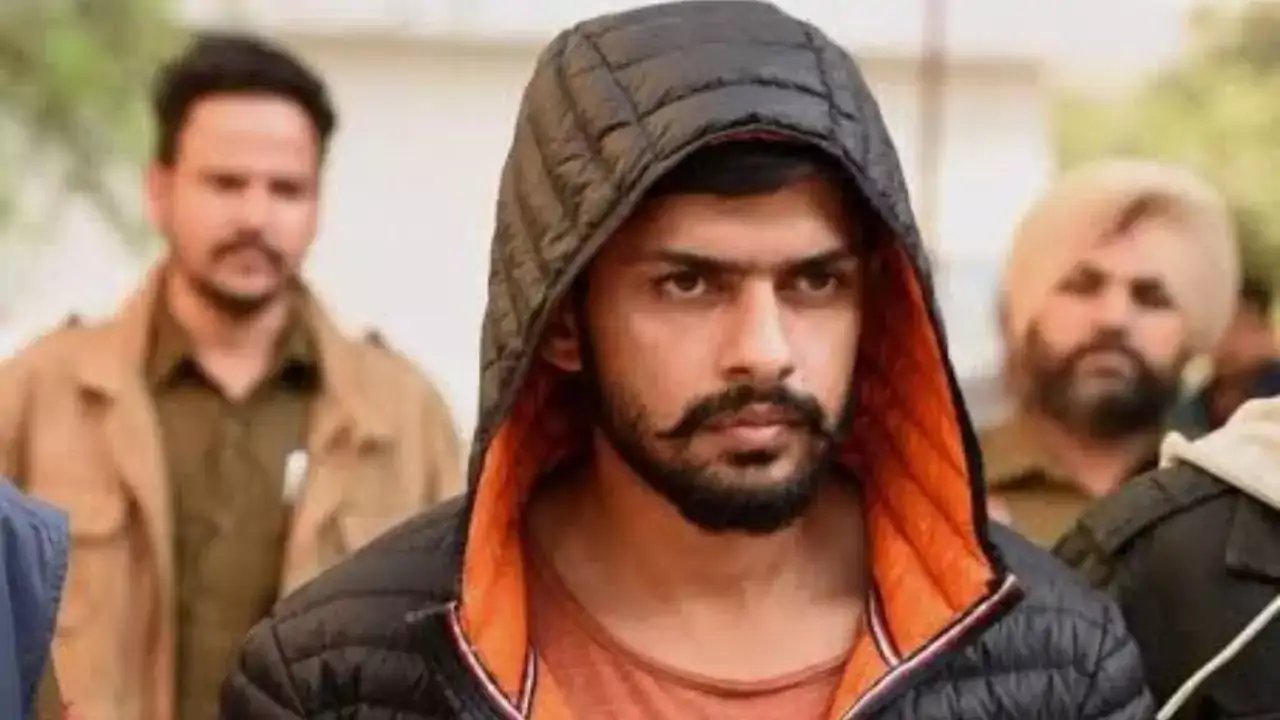
Sunday night in Mumbai’s upscale Juhu, a flash of gunfire split the evening as Tiger Shroff’s car was targeted by a small band of masked assailants. The actor, who had just exited a local café, was hit by a burst of bullets but was unhurt, thanks to a lucky dodge and a quick emergency response from bystanders.
Anil Pandit – a close aide of the imprisoned Lawrence Bishnoi – claimed responsibility for the jolt. Pandit, originally from Panipat, now operates out of the United States, reportedly arriving via the so‑called “dunki” route in 2024. He has been linked to several high‑profile incidents, including a 2026 firing outside Guru Randhawa’s gym in Delhi that left seven empty cartridges on the pavement.
The gang’s reach is global: while Bishnoi sits behind bars in Gujarat’s Sabarmati Jail, his cohort of 700 associates, including Harmanveer Singh (aka Harman Sandhu) and Tyson Bishnoi, have taken the reins in cities from Los Angeles to Stockton. In July, the organisation even issued a chilling threat to Aamir Khan, sending an audio clip that appeared to be from a gang member. Police investigations have traced these threats back to a network that harvests social‑media data and government databases to identify high‑profile extortion targets.
Fans poured their support online, trending #TigerShroffSafe and #BollywoodStrong. The incident has forced producers to rethink security protocols for upcoming shoots, with some studios scrambling to bring in additional guards and armored vehicles. As the industry watches, the question now is whether the silver screen can remain a safe haven when the shadows outside the studios grow darker.