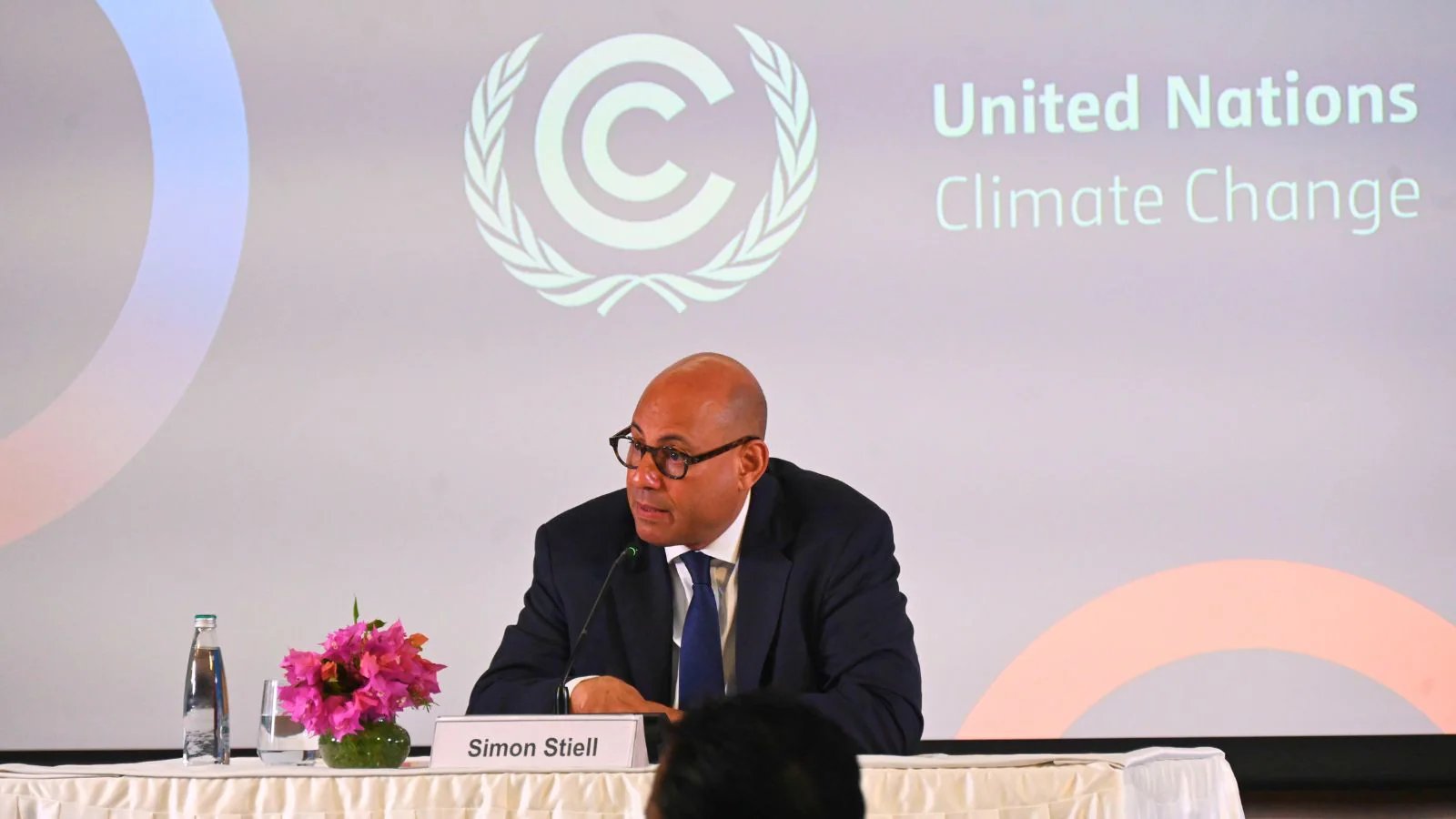
On Thursday, UNFCCC Executive Secretary Simon Stiell told reporters in New Delhi that the Centre has approved the Green Energy Corridor Phase‑III (GEC‑III). The plan will install an intra‑state transmission network and 50 GWh of battery storage to evacuate 135 GW of renewable electricity.
The scheme totals Rs 1.86 lakh crore, with Rs 1.36 lakh crore earmarked for transmission and Rs 50 000 crore for battery systems. Central assistance of Rs 54 082 crore will offset transmission costs and help keep tariffs low.
Stiell said battery storage will secure energy supplies, reduce curtailment, and spur job creation in manufacturing, construction and storage sectors. He added that the project will cement India’s status as a global solar powerhouse.
Transmission Service Providers will bid under a build‑own‑operate‑maintain model, while brownfield upgrades will follow a cost‑plus basis. The State Transmission Utilities will oversee implementation across states.
With the scheme now on the books, states are expected to launch competitive bidding by early 2027, and the first phase of the grid could be operational by 2030, setting the stage for a smoother transition to a fully renewable grid.