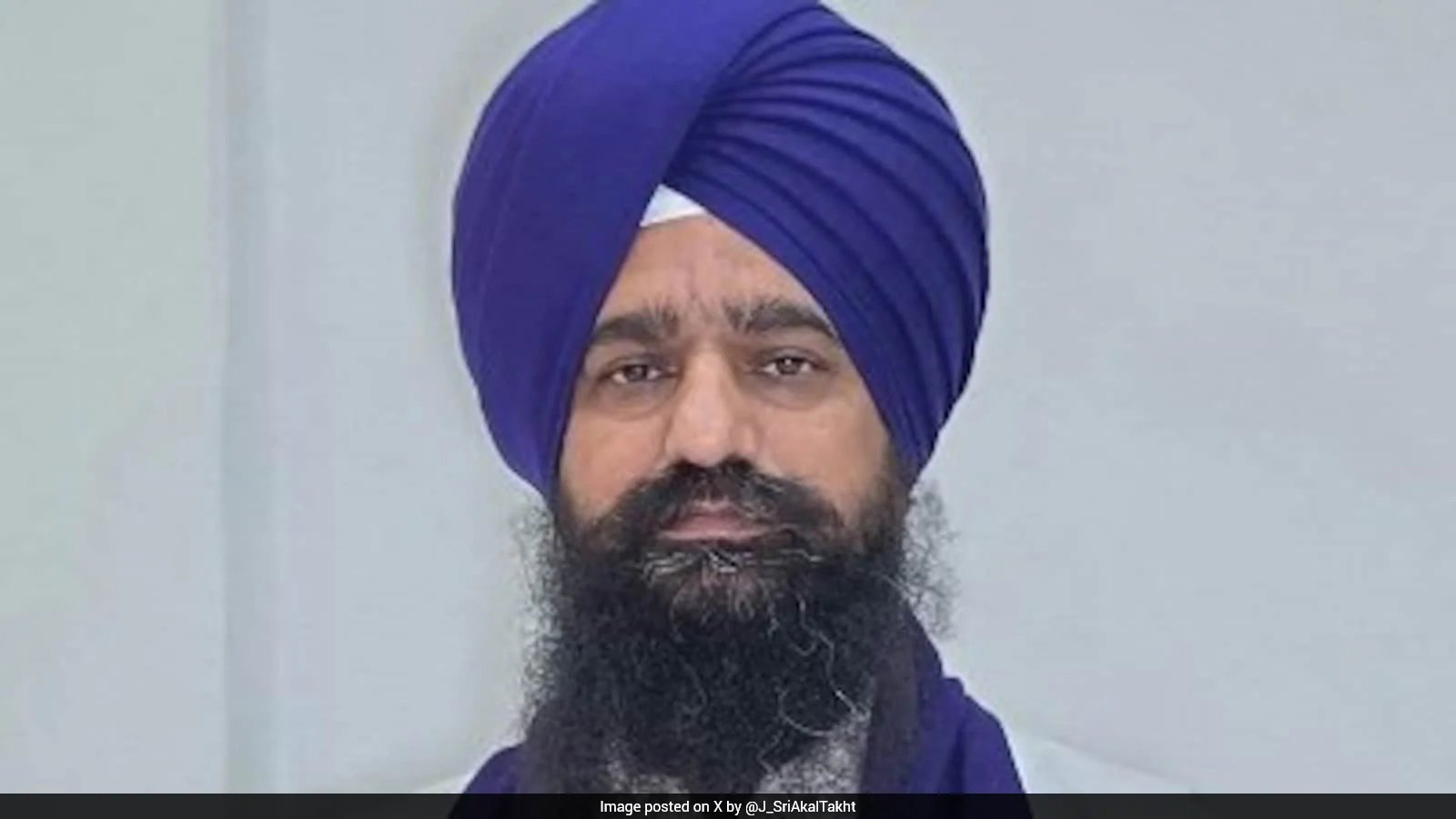
In a terse letter dated Oct. 7, Jathedar Giani Kuldip Singh Gargajj warned SGPC member Karnail Singh Panjoli that any attempt to sit with Punjab Chief Minister Bhagwant Mann over the release of the ‘Bandi Singhs’ would be a betrayal of the Akal Takht’s mandate—he accused the Punjab government of politicising the matter and urged the Panth to unite under a coordinated struggle, citing the CM’s designation as ‘Guru Dokhi’ and ‘Khalsa Panth Virodhi.’
The ‘Bandi Singhs’ refers to Sikh political prisoners held for three decades or more, including high‑profile names such as Jagtar Singh Hawara and Balwant Singh Rajoana. Over the past five years, the AAP‑led government has been criticised for taking no concrete steps to secure their release, even while promising support in parliamentary letters. The Akal Takht’s letter also highlighted the fate of Davinderpal Singh Bhullar, whose life sentence for a 1993 Delhi car‑bombing that killed nine people remains unchallenged.
While the SGPC has traditionally acted as a liaison between Sikh religious bodies and the state, Panjoli’s request to meet the CM was seen by some as a way to expedite the prisoners’ cases. Bhagwant Mann has dismissed the Akal Takht’s stance as an attempt to stall political progress, saying the government remains committed to justice. In contrast, senior Sikh clerics in Ludhiana have echoed Gargajj’s warning, warning that any cooperation could undermine the community’s dignity.
The Akal Takht has called on all Panthic organisations to join a collective campaign, drawing a parallel with Tamil Nadu’s successful lobbying for former Prime Minister Rajiv Gandhi’s convicts. The directive comes a week before the state assembly election slated for February 2027, raising questions about whether the issue will be leveraged in the campaign. SGPC officials said they will review the letter and decide whether to comply, while the Punjab government has yet to respond publicly.