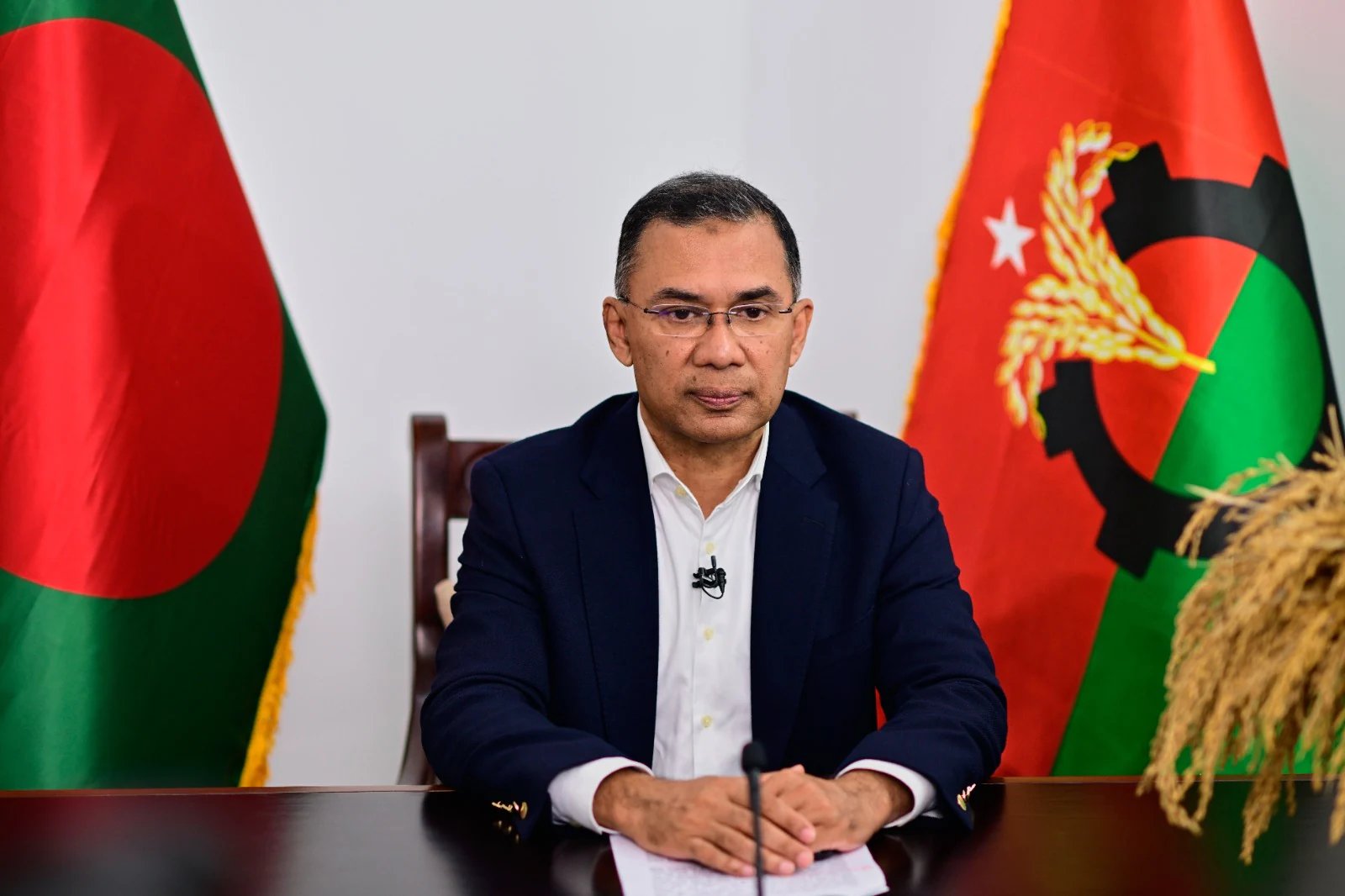
Prime Minister Tarique Rahman met with Hindu community leaders from the Dhaka-17 constituency to guarantee their security before the Durga Puja celebrations begin. Speaking at his office, Rahman emphasized that citizenship supersedes religious identity in Bangladesh. "Every person should be treated equally as citizens of Bangladesh rather than on the basis of their faith," he stated, according to the state-run Bangladesh Sangbad Sanstha (BSS). The constituency, which Rahman represents, includes high-profile Dhaka areas such as Gulshan, Banani, and Baridhara, known for their diplomatic and residential zones.
The assurance comes amid a broader political effort to engage the minority Hindu community. Last month, Rahman’s government increased the state grant for Durga Puja to 5 crore Taka and extended public holidays to five days. This financial and administrative support signals a strategic outreach, particularly significant given the communal tensions that have historically plagued the region.
Rahman invoked the shared history of the nation to reinforce his point. "When we keep ourselves above religious identity during all critical moments in the national history, why should we consider it in other matters?" he asked the leaders. He highlighted that people of all faiths fought together in the 1971 Liberation War and participated in the 1990 and 2024 democratic movements. "We liberated the country together and took part together in the movement to establish democracy," he added.
Beyond political rhetoric, the Ministry of Shipping issued 16 specific directives to manage waterway traffic during the festival. These rules mandate keeping rescue vessels on standby, banning night speedboat operations, and suspending unfit vessels to prevent accidents. The measures aim to address safety concerns for travelers returning to their villages for the pooja.
With the festival days approaching, the focus now shifts to the ground-level implementation of these security protocols. Community leaders in Dhaka-17 will be watching closely to see if the promised state protection translates into tangible safety for worshippers and tourists alike.