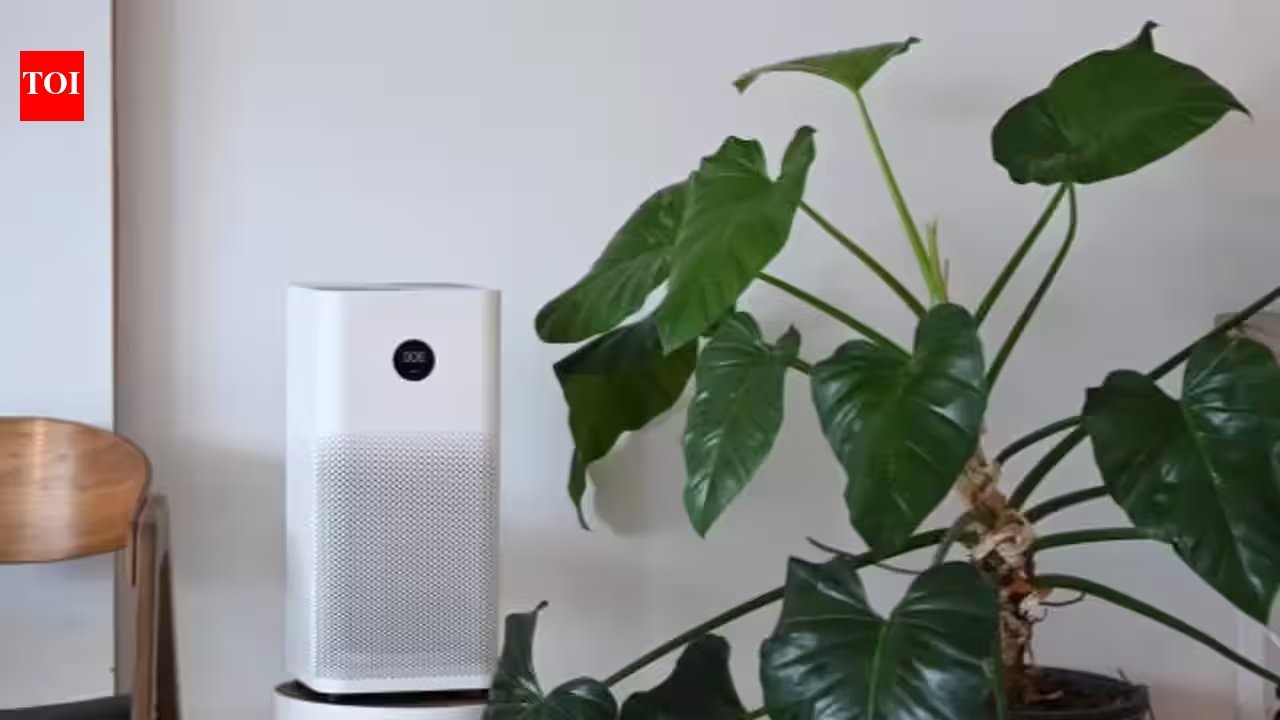
Winter smog in Delhi turns home air purifiers into frontline shields. Day after day, the motor pulls in soot, pollen, and coarse dust until the intake grilles choke. Airflow drops to a faint hiss. When grime clogs the internal airways, the machine burns through electricity while circulating stale air back into your living room. A neglected purifier does not protect you. It merely hums.
Begin by pulling the plug from the wall. Never clean a live unit. Take a slightly damp microfibre cloth and strip away the fine grey haze settled across the outer casing. Switch to a vacuum cleaner with a soft brush attachment to lift grime wedged inside the air intake and exhaust vents. Skip alcohol, abrasive powders, and kitchen degreasers entirely—chemical solvents pit and weaken the plastic shell. Keep moisture far away from the motor housing. Wipe the surface bone-dry with a fresh towel before touching the internal panels.
Your purifier relies on a tiered defense. The exterior pre-filter takes the brunt of the assault, snaring pet hair, visible lint, and coarse dirt before smaller particles reach the core. Unlatch it gently. Run a vacuum over the surface to collect the loose buildup. If the appliance manual marks the screen as washable, rinse it under lukewarm running water with a drop of mild soap. Let it dry completely in a shaded, airy corner. Reinserting a damp pre-filter breeds mould spores, generates sour odours, and risks shorting out the fan motor. In northern Indian cities during peak pollution periods, clear this pre-filter every two to four weeks.
Do not wash your HEPA filter. Water destroys it instantly. The microscopic fibrous mesh unravels on contact with moisture, leaving your home unprotected against PM2.5 pollutants. If the manufacturer permits dry upkeep, pass a vacuum brush lightly over the filter face to remove surface debris, but never bang or tap the frame against the floor. Activated carbon filters—the porous black layers that neutralise odours and smoke—are equally vulnerable to water and require complete replacement once spent. Most HEPA units last between six months and a year under standard conditions, though heavy winter pollution will exhaust them much faster.
A erratic digital display usually points to a dirty monitor. Locate the small air-quality sensor on the side panel and sweep out trapped soot using a dry cotton swab. Reassemble the dry filters in their original sequence, lock the chassis shut, and run the motor for several minutes to check for rattling or odd smells. Park the unit in an open space at least a foot away from walls and heavy drapes so air circulates freely. Jot down the cleaning date inside the cover—keeping regular tabs on your filters keeps the air inside your home genuinely clean.