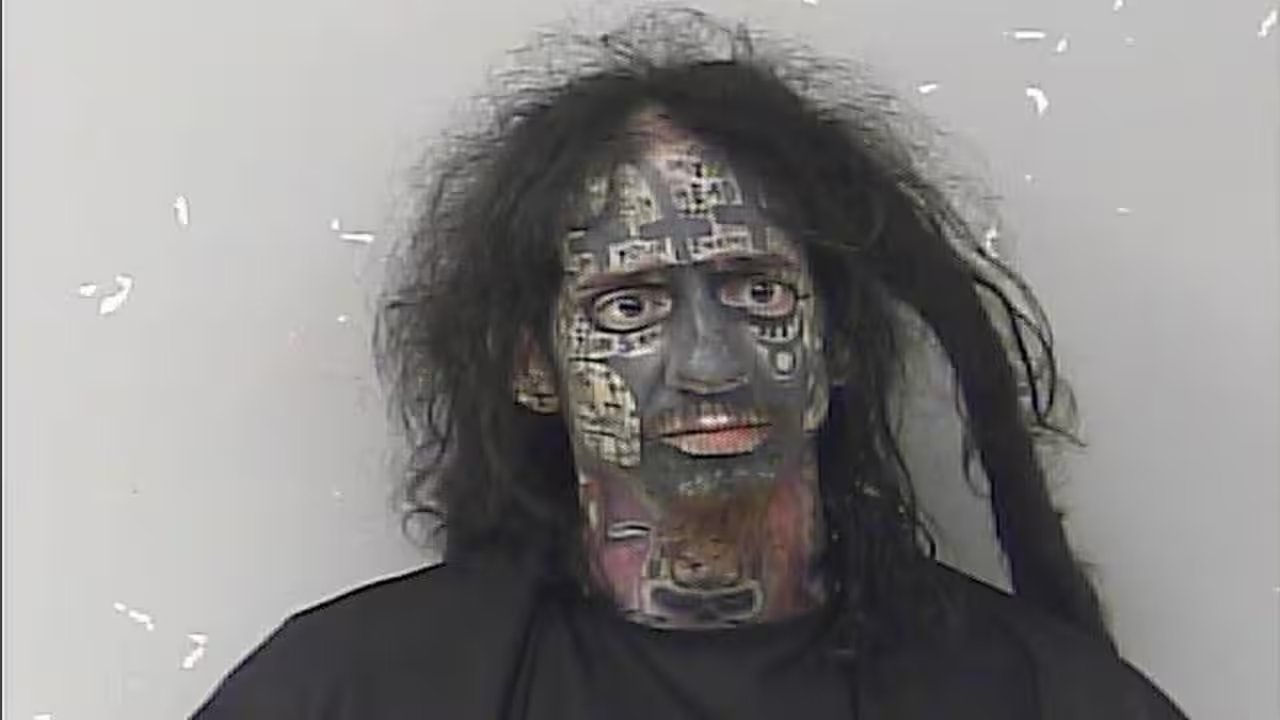
Investigators traced more than 100 TikTok videos that exposed a woman’s passwords, purchase history and GPS data, all uploaded by Mark Asea after he allegedly logged into her computer remotely. The videos, each a minute long, revealed seemingly innocuous details that, when pieced together, could pinpoint the victim’s daily routine. Asea’s online profiles describe him as a “grey hat hacker” and even a “demonologist,” a self‑branding that has drawn scrutiny from law‑enforcement agencies.
Asea’s legal troubles began earlier this year when he was arrested in April on stalking and unauthorized‑computer‑access charges; prosecutors later dismissed those claims in a May filing. A civil injunction was granted in July, only to be vacated in September after the court found insufficient evidence for continued protection. The case now hinges on the digital evidence gathered during the recent search.
Police entered Asea’s home on September 24, seizing laptops, an iPad, external hard drives and USB sticks for forensic analysis. Investigators aim to retrieve passwords, browser histories and financial records that could confirm how the data was harvested. The seized equipment is being stored at the St. Lucie County Forensic Lab under a strict chain‑of‑custody protocol.
The woman, who wished to remain anonymous, described her shock when a private photograph from a private chat appeared in a TikTok clip. She told investigators that the image was taken from a conversation she had shared only with close friends. Her testimony underscores the personal damage caused by Asea’s online exploitation.
A hearing on the felony computer‑access charge is slated for October 5, where the prosecution will present the forensic findings. If convicted, Asea faces up to 15 years in prison and a substantial fine. The case is a stark reminder of how quickly personal data can be weaponised in the digital age.