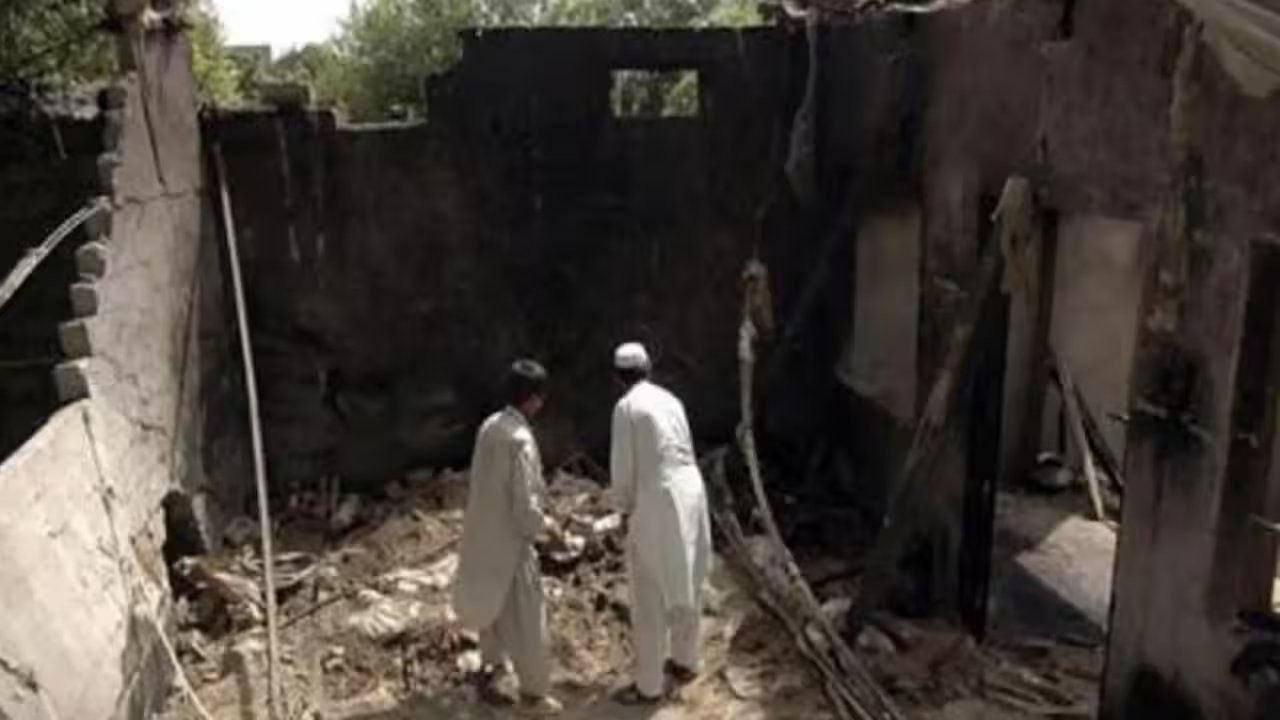
Two boys, aged nine and 10, lie dead in Fateh Ali Bazaar, Panjgur, after an object dangling from a tree detonated. Three other children—aged seven, nine, and 12—suffered injuries. The Balochistan Post confirmed the casualties, noting the children were merely playing when the device exploded.
Local sources point a finger at Pakistani security forces. They claim the object was not a random landmine but an explosive attached to a military quadcopter. One source alleged that journalists were subsequently instructed to label the incident a hand-grenade blast, a narrative that has fueled anger in the region.
This incident is not an isolated event. It sits atop a volatile stack of civilian casualties attributed to drone operations. On September 24, four young men died and two were injured in Balicha, Kech, following an alleged military strike. Families insist the men were on a picnic, rejecting claims of militant ties. Earlier, on September 18, five civilians were injured in alleged quadcopter attacks in the Mand area.
The legal community has responded with a boycott of courts across Makran. Lawyers are demanding an independent investigation into the Kech deaths, citing a lack of transparency from state authorities. The pattern of alleged cover-ups and civilian deaths has turned Balochistan’s judicial corridors into a flashpoint for political dissent.
The military has yet to issue a verified statement addressing the Panjgur deaths or the specific claims regarding quadcopter usage. As the court boycott persists, the pressure for a transparent inquiry intensifies, with the next step likely to be a formal legal challenge in the High Court or a direct confrontation between provincial leadership and federal security agencies.