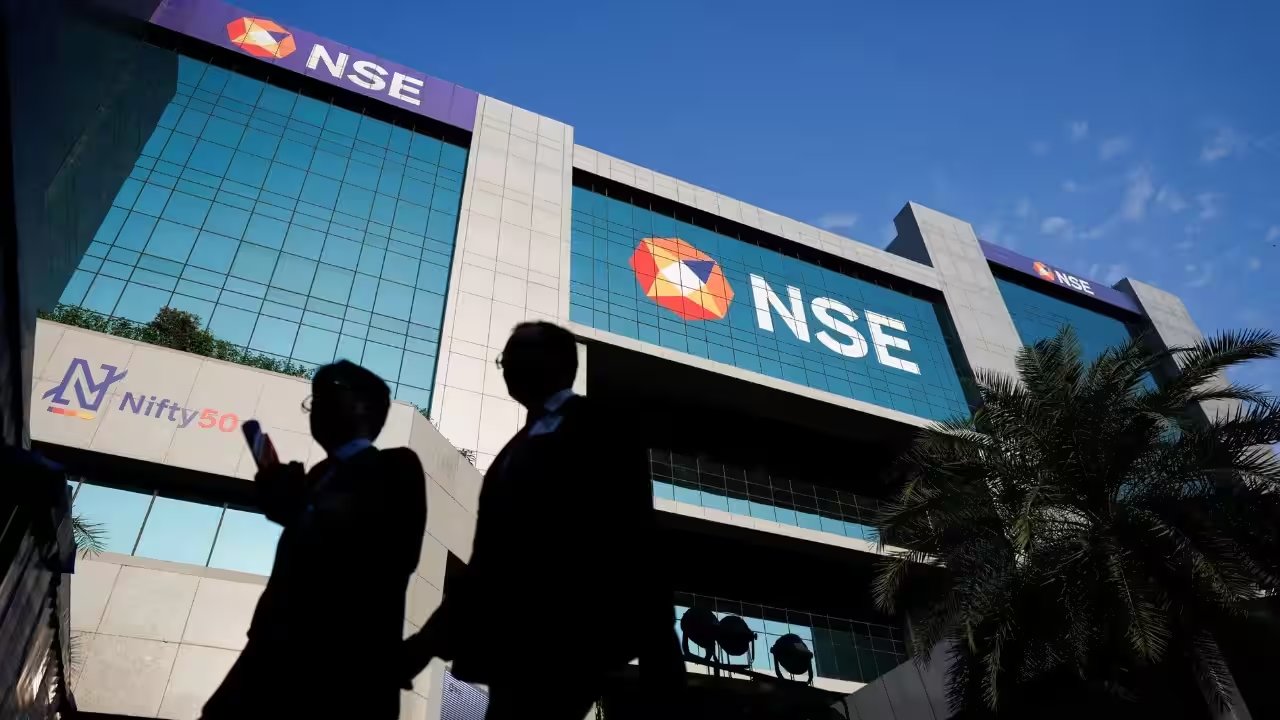
The numbers are in, and they're telling a nuanced story. NSE's ₹22,562 crore IPO, the largest by turnover and profit in the country, has logged a 43% subscription in the post-anchor phase. That translates to roughly 3.8 crore shares snapped up against an 8.9 crore share offering. Market players in Mumbai note this pace is typical for mega-caps where institutional money often waits until the final day to strike, but the sheer scale of the deal keeps traders on edge.
Break down the tranches and the picture gets sharper. BSE data reveals the Non-Institutional Investor (NII) category, dominated by High Net Worth Individuals, was 72% subscribed—a clear sign of appetite among sophisticated wealthy buyers. In contrast, the Qualified Institutional Buyer (QIB) segment, the usual engine of large IPOs, sat at just 19% subscribed. The retail tranche, the second-biggest in Indian market history after Hyundai's ₹27,800 crore issue, pulled in 44% of the shares available.
Why does this matter beyond the immediate listing? It’s about the valuation shock. Currently, unlisted NSE shares held by domestic institutions are marked at book value—basically their acquisition cost. Post-listing, these holdings shift to mark-to-market pricing. This single accounting change is set to unlock approximately ₹1.5 lakh crore in paper wealth for domestic players. We’re talking about major state-owned entities like SBI, SBI Capital, SHCIL, and Bank of Baroda, alongside private life insurers, collectively sitting on NSE stakes valued at around ₹72,000 crore.
For active traders, the 19% QIB subscription warrants a watch. Institutional participation is the backbone of post-listing stability, and a lower-than-average QIB take-up could mean tighter initial trading bands. However, the strong NII and retail response suggests the public is eager to get in on India's equity exchange giant. Keep an eye on the final day results; if QIBs jump in late, the full subscription figures could reshape the initial price discovery dynamics significantly.