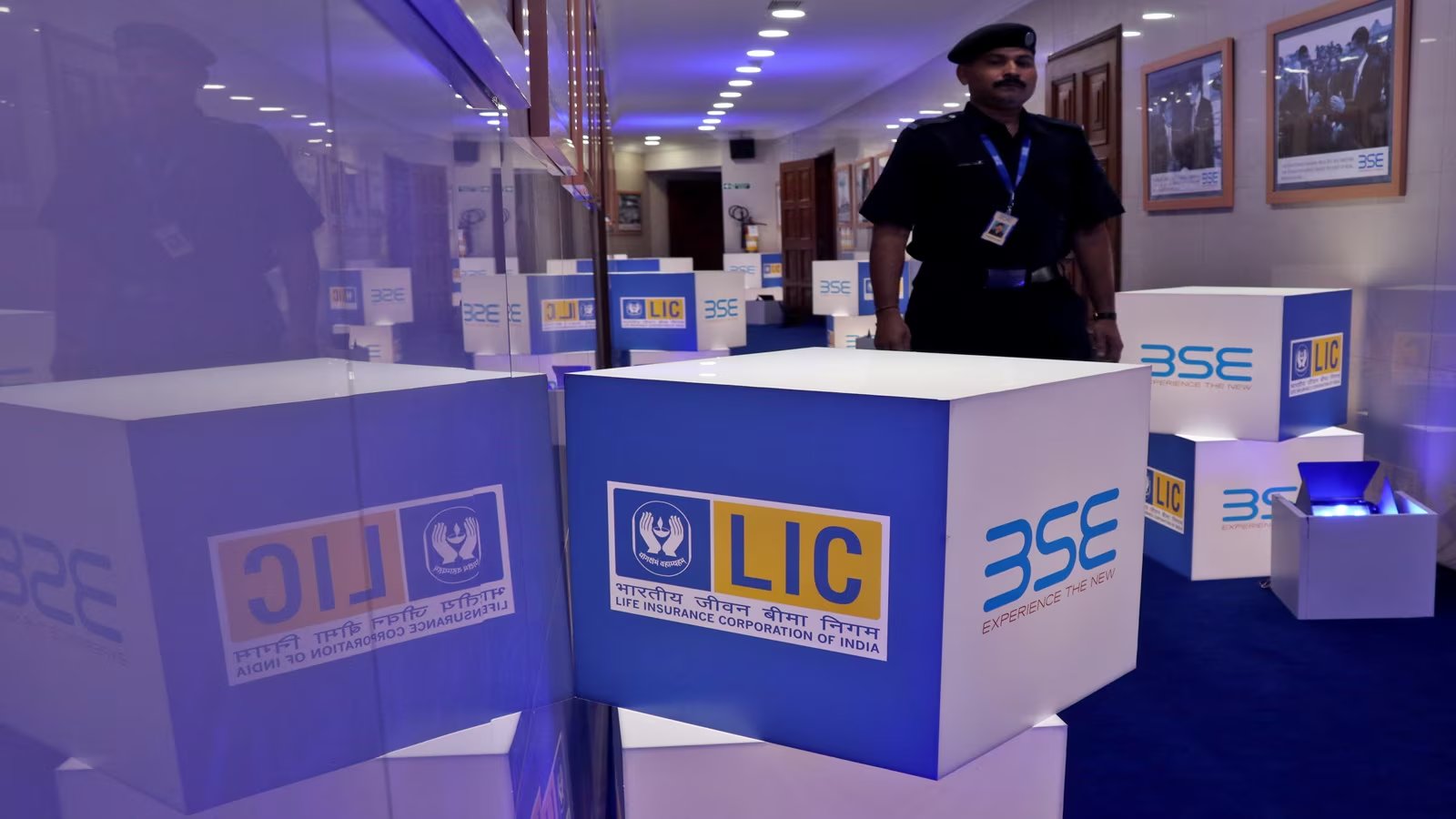
The market's verdict has been brutal.
Life Insurance Corporation of India shares have shed 58% of their value since listing in May 2022, tumbling to roughly ₹397 against an initial public offering price of ₹949. Managing Director and Chief Executive Officer R Doraiswamy conceded that the discount stings. "It really upsets me that a company of LIC’s size and stature has not delivered better returns to investors since listing," Doraiswamy said, pointing to public-sector penalties, float caps, and persistent divestment worries.
Liquidity constraints choked the stock from day one. The government offloaded a slim 3.5% stake at launch, starving the secondary market of depth and leaving prices exposed to heavy downside swings. A subsequent offer for sale pushed public ownership to 10%—yet fears of another sudden stock deluge continue to haunt trading desks.
Doraiswamy moved to quell those supply concerns, stating the insurer had assured institutional participants that no immediate dilution through another share sale is on the table. To repair damaged investor sentiment, the board lifted dividend payouts and declared a bonus share issue. Reaching the statutory 25% minimum public shareholding requirement remains an obligation, though Doraiswamy expects gradual compliance to bolster institutional confidence over time.
| Metric | Performance / Regulatory Figure |
|---|---|
| IPO Offer Price (May 2022) | ₹949 |
| Listing Debut Price | ₹876.20 |
| Closing Price (Nov 8, 2026) | ₹397 |
| Total Assets Under Management (Q2 FY27) | ₹57.29 lakh crore |
| AUM Growth Rate (Q2 FY27) | 5.08% (down from 6.45% YoY) |
| Current Public Shareholding | 10% (Statutory Target: 25%) |
Growth across the insurer's balance sheet has slowed. Assets under management rose 5.08% to ₹57.29 lakh crore in the second quarter of the 2027 fiscal year, trailing the 6.45% clip logged in each of the preceding two financial years. Market gains have failed to lift portfolio values proportionately, prompting management to lean into defensive rebalancing.
Cash distribution governs every investment move. Participating policy pools provide leeway to accumulate equities during broad corrections, while non-participating products—burdened by guaranteed customer returns—force higher capital allocations into fixed-income securities. The treasury desk deploys interest-rate derivatives to insulate that bond portfolio from yield spikes.
Sell-offs create accumulation windows. Doraiswamy indicated that recent equity corrections lowered entry multiples across key sectors, allowing the institutional heavyweight to preserve core equity stakes while offloading select assets to fund maturing policyholder payouts. Concurrently, hardening yields across central sovereign debt and state government securities have opened attractive yields, setting the stage for LIC's fixed-income desk to lock in long-dated cash flows.