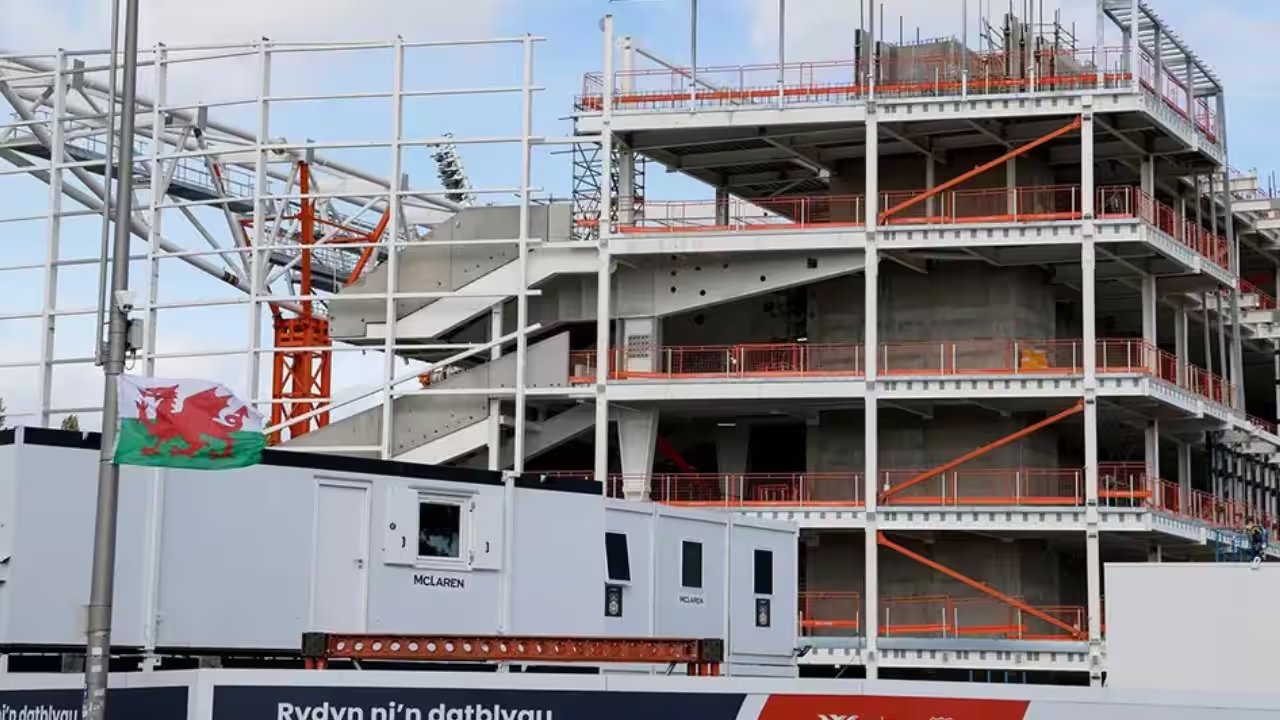
The green light is officially on. On October 5, 2026, the Wrexham County Borough Council planning committee voted to approve the expansion of the Kop Stand at the Racecourse Ground. This isn't just a minor tweak; it's a fundamental shift in infrastructure. The approved structure will hold 7,750 spectators, adding 2,250 seats to the original 5,500-seat design approved back in March 2025. For a club that was fighting relegation battles in lower divisions just a few years ago, this number feels almost surreal.
Who is driving this? Ryan Reynolds and Rob McElhenney. The Hollywood duo bought the club in 2021 and turned a struggling National League side into a Championship regular. The Kop project is the physical manifestation of that trajectory. It’s part of a £70 million redevelopment package that aims to make the stadium viable for international fixtures. McLaren Construction has been on site since December 2025, hammering out the steel and concrete to meet a tight deadline. The target? A fully operational stand by early 2027, just in time for the 2026-27 season.
But it’s not just about seats. It’s about identity. The Racecourse Ground, also known as STōK Cae Ras, is the oldest international football ground still in use. The old Kop had been a ghost town for years, a concrete scar from the club's darkest days. Now, a second tier is being built within the existing footprint, restoring the silhouette of what the ground used to be. The club argues this is essential for hosting major events beyond league matches, giving them the flexibility to compete on a bigger stage.
Logistics are the headache. More fans mean more traffic. The planning submission detailed a robust travel plan, leaning heavily on public transport. Wrexham is partnering with Transport for Wales and local bus operators to shuttle fans in. There’s also free parking at Eagles Meadow to ease pressure on the town center. Critics will always ask if the infrastructure can handle the crowd, but the council’s approval suggests the answers are sufficient for now.
The next step is pure execution. Construction continues through the winter, with the first whistles in the new stand expected in early 2027. For Reynolds and McElhenney, this is the final piece of the puzzle to secure Wrexham’s financial stability and sporting relevance. The ghosts are being evicted. The future is being poured in concrete.