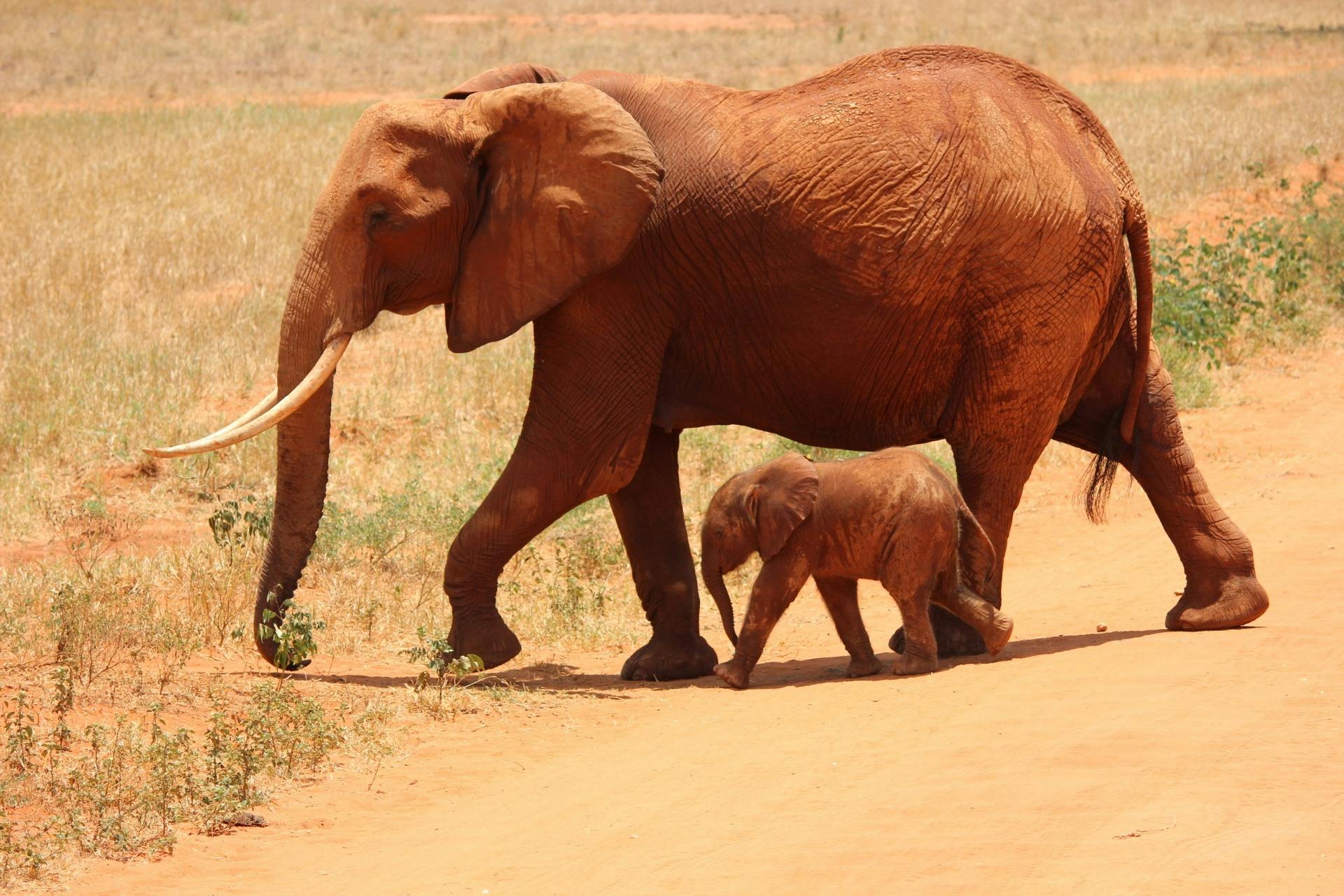
Botswana’s Ministry of Environment and Tourism issued a licence that allowed 23 elephants to be hunted for the 60th‑anniversary feast, a decision that has ignited fury across the country. The animals were dispatched in eight districts, with carcasses displayed in markets and schools, prompting a public outcry.
But the move comes on the back of Botswana’s 130,000‑strong elephant population, a figure that has long strained the balance between conservation and community livelihoods. The ban on trophy hunting lifted in 2019 re‑opened the door to regulated hunts, and the government claims the revenue supports local projects.
Yet conservationists such as Oaitse Nawa of the Elephant Protection Society warn that allowing elephant slaughter for a celebratory meal could normalize poaching and erode social structures in elephant herds. He added that the licence’s “complimentary” language is a thin veil over a policy that fuels demand.
The government, citing a 15.6‑million‑pula haul in 2025 from elephant hunting, says the practice mitigates crop damage and human‑elephant conflict. Environment Minister Wynter Mmolotsi told parliament that the quota generated money earmarked for community development.
Meanwhile, local activists have called for a ban on elephant hunting altogether, arguing that the practice contradicts Botswana’s international conservation commitments. In response, officials announced the licence would be suspended while Parliament convenes a review, setting the stage for a heated debate over the country’s future wildlife policy.