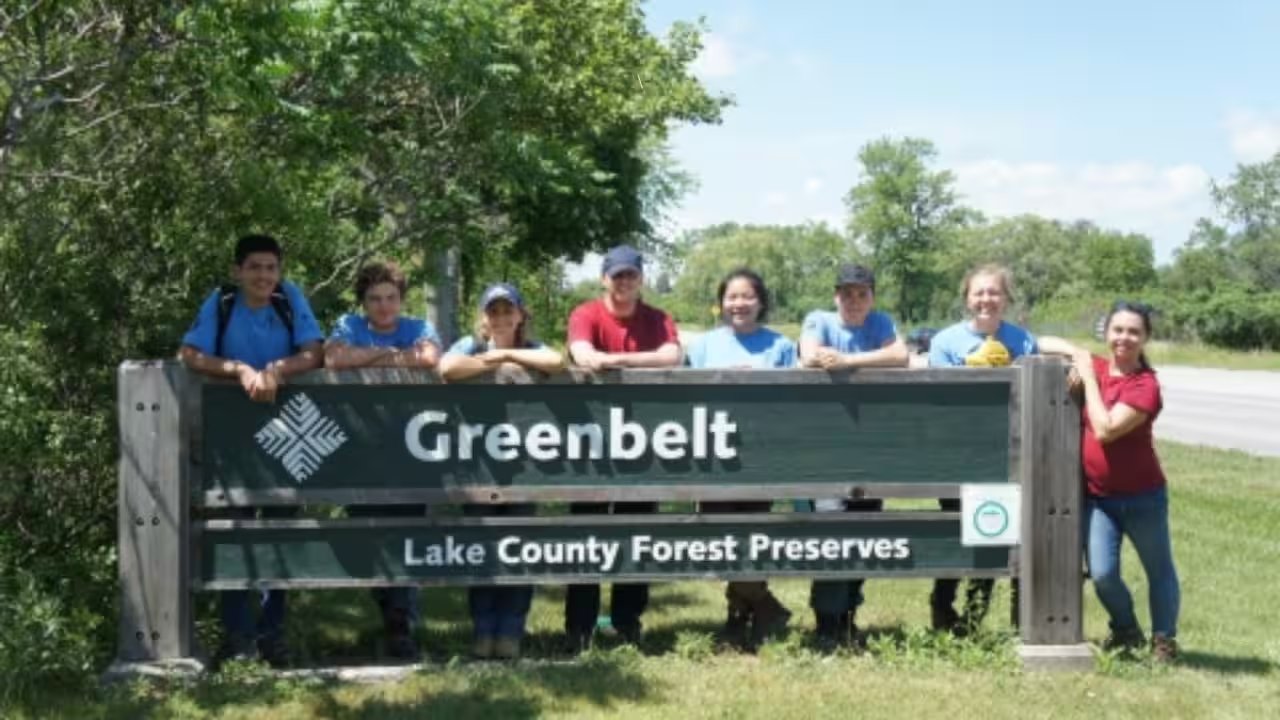
The Lake County Forest Preserve District, in partnership with the U.S. Fish and Wildlife Service and the Great Lakes Restoration Initiative, cleared 43 acres of invasive plants along the Skokie River headwaters this year. The work, which involved more than 2,400 volunteer hours from the local Youth Conservation Corps and community groups, converted the former thicket into a mosaic of native grasslands and wetlands.
Teasel, Canada thistle, canary grass, buckthorn and common reed once choked the area, displacing native orchids and pollinator habitats. The district’s Coastal Program has already restored over 195 acres across the preserve through a decade‑long partnership.
After the invasive removal, the district planted 1,100 pounds of native seed and nearly 9,000 plant plugs, a process overseen by a team of botanists. Monthly volunteer workdays, led by district staff, teach participants how to spot the weeds and ensure proper planting. The initiative also aims to improve water quality, as the Skokie River feeds into the Chicago River and ultimately the Great Lakes.
Ecologists say the restoration will benefit monarch butterflies, eastern prairie fringed orchids, rusty patched bumble bees, and migratory birds such as the blue‑winged warbler. A 2024 survey documented a new occurrence of the federally endangered rusty patched bumble bee in the project area, underscoring the habitat’s value. With continued GLRI funding, the Coastal Program will maintain the restored acreage and monitor species recovery.