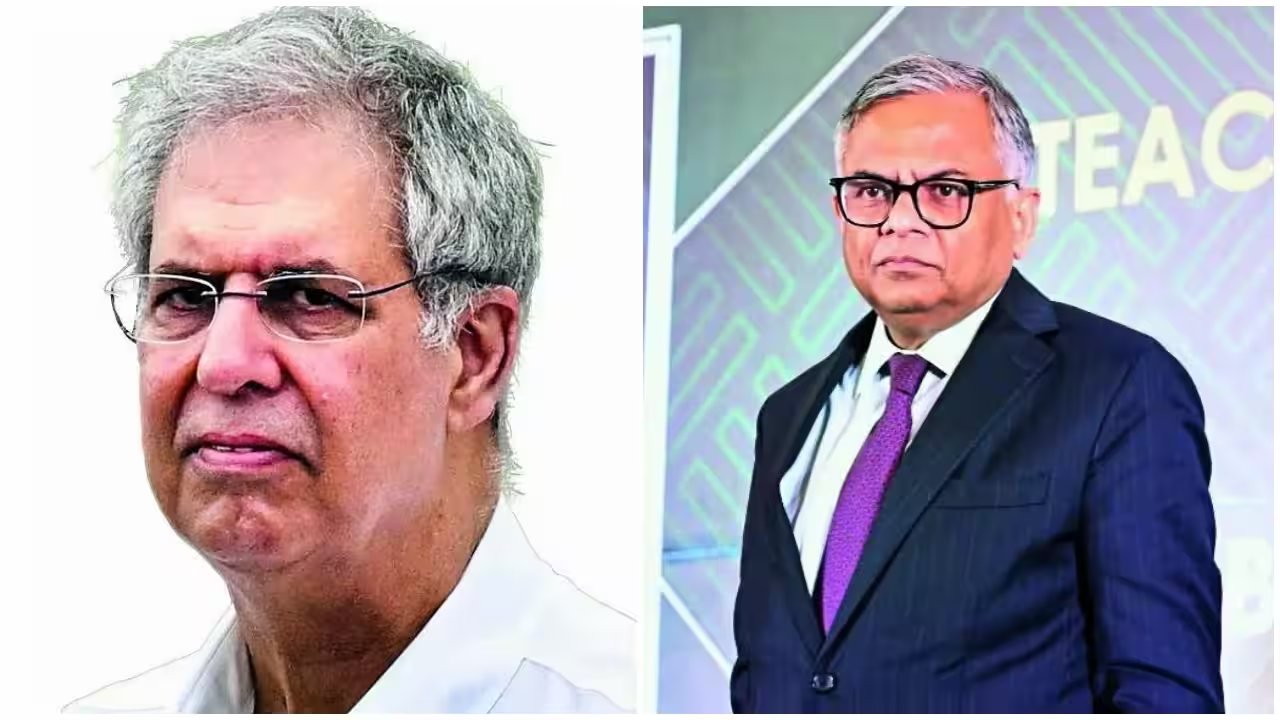
Sir Dorabji Tata Trust, holding roughly 28 % of Tata Sons’ equity, is weighing a complaint under Sections 241 and 242 of the Companies Act to invalidate the board’s February 2026 resolution that re‑appointed N Chandrasekaran for a five‑year mandate. The Trust argues the vote breached Article 121 of Tata Sons’ Articles of Association, which requires a majority of the Trust‑nominated directors to agree before a new chair can be installed.
The resolution passed with a 4‑1 vote: Noel Tata, the Trusts’ chairman, cast a lone dissent; Venu Srinivasan, the Trusts’ vice‑chairman, voted in favour; and Harish Manwani, the independent director who chaired the meeting, exercised his casting vote for the resolution. Chandrasekaran himself was barred from voting on his own appointment, a detail that underpins the Trust’s legal argument.
Rahul Dwarkadas, founder of RJD & Partners, warned that even if the Tribunal finds a breach of the Articles, the petitioner must still meet the statutory criteria for oppression or mismanagement under Section 241 before relief can be granted. The Trust has sought an opinion from former Chief Justice of India D Y Chandrachud, while Tata Sons consulted senior advocate Sudipto Sarkar.
The case echoes the 2016 Cyrus Mistry episode, when the Trusts’ challenge to his removal led to a Supreme Court ruling in favour of Tata Sons in 2021. That precedent underscores the high stakes of the present dispute.
A hearing before the Mumbai bench of the NCLT is expected in the coming months, after the Trust files its petition. The tribunal’s decision will determine whether Chandrasekaran retains his chairmanship or whether a fresh election must be convened.