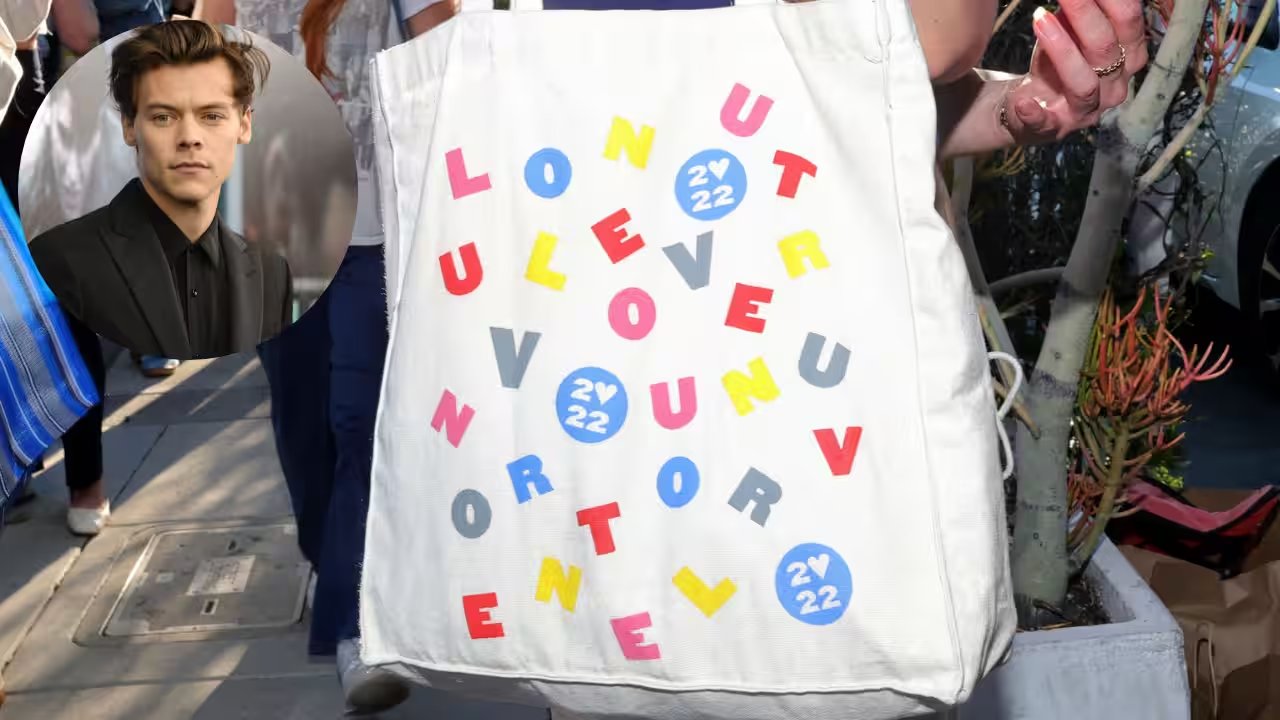
One candid snapshot did what months of grassroots fundraising could not.
Pop superstar Harry Styles stepped onto a London pavement with an oversized canvas tote slung casually over his shoulder, and the digital gears instantly ignited. Within days, the viral street image converted casual celebrity fandom into $40,000 of hard merchandise sales for the Other People Fund — a fledgling mental health project built on a shoestring budget. That sudden rush of cash has now underwritten over 1,300 private therapy sessions for patients completely priced out of clinical care.
Powerful celebrity endorsements often arrive wrapped in layers of high-gloss agency negotiation. Not this one.
Few ventures begin with as much candour. Founder Elena Kilgore launched the initiative at 23 in the raw aftermath of a relationship collapse. When both partners parted with the tired cliché of agreeing to "see other people," Kilgore sought professional counsel. Then came the sticker shock.
In the United States, private therapy sessions routinely bill between $100 and $200 an hour — an impossible barrier for working-class youth navigating psychological crises. Refusing to swallow the cost silently, Kilgore flipped the breakup euphemism into a subversive rallying cry, stamping garments with a wry declaration: "I think that we should see other people, and by other people I mean therapists."
Humble ambitions defined the start. Kilgore initially aimed to print and move just 100 T-shirts, hoping to scrape together enough cash to sponsor counseling for a handful of friends.
Yet she harboured an audacious dream muse.
"My five-year plan for Other People Fund was to get Harry Styles in my t-shirt," Kilgore explained. "I designed it with him in mind. My exact direction to my shirt designer was, 'something that Harry Styles would wear.'"
She bypassed formal talent agencies entirely and shot a direct pitch to the singer's personal stylist over Instagram. The gambit worked. The stylist opened their wallet and purchased both a shirt and a canvas tote bag. Weeks later, Styles strolled through central London with the bag in hand. Social feeds lit up. Millions looked closer, identified the text, and flooded the brand's modest online checkout portal.
| Campaign Metric | Grounded Detail |
|---|---|
| Total Direct Merchandise Revenue | $40,000 |
| Subsidized Therapy Sessions Funded | 1,300+ sessions |
| Standard US Out-of-Pocket Therapy Cost | $100 to $200 per session |
| Initial Production Target | 100 printed shirts |
| Operational Non-Profit Partner | Support for the Psyche |
Every dollar from the merchandise run moved directly to non-profit entity Support for the Psyche, which matches low-income individuals with vetted, licensed clinicians.
"It's so obviously cyclical that finance and mental illness are intertwined," Kilgore pointed out. Cultural taboos surrounding mental health have eroded across the globe, but systemic affordability remains thoroughly broken. Pop patronage simply plugged the financial dam.
New production batches and collaborative tote editions remain live on the project's roster, with all net proceeds committed to expanding the subsidized counseling registry through the coming fiscal quarter.