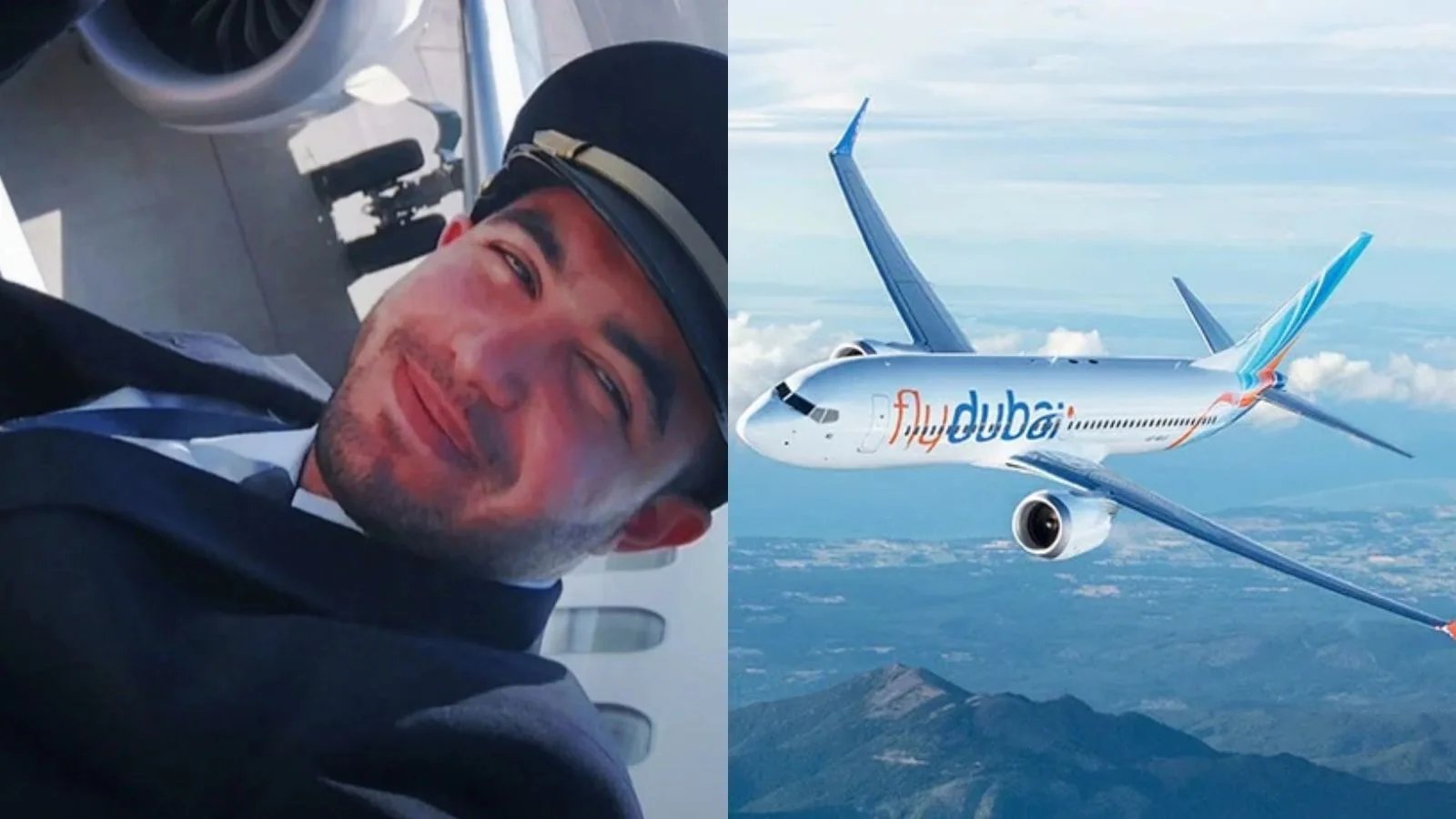
The incident unfolded when co‑pilot Hamam al‑Hammami stabbed Captain Smit Machchhar in the cockpit of the Dubai‑to‑Tel Aviv flight, then tried to force the aircraft toward Ben Gurion Airport. With over 170 passengers aboard, the attempted hijack triggered an emergency response that almost culminated in a shoot‑down.
Israeli command centers, rehearsed for a 9/11‑style crisis, activated a pre‑established protocol that would have sent jets into Jordanian airspace to intercept the rogue plane. The decision to fire would have rested with Prime Minister Benjamin Netanyahu, who warned that a mis‑calculated act could have cost thousands of lives. Yet the situation changed in seconds.
As the aircraft plunged 18,000 feet, Israeli fighter jets scrambled and closed airspace, but the plane veered toward Saudi Arabia. Saudi pilots, following their own scramble order, met the flight in the Red Sea, and Israeli authorities called off the shoot‑down plan.
In the cockpit, an off‑duty crew member managed to wrestle control from al‑Hammami, unlocking the door while the pilot fought back. The aircraft executed an emergency landing in Tabuk, with no fatalities, though several passengers suffered minor injuries.
Investigations into al‑Hammami’s motives continue, with UAE authorities holding him on charges of attempted hijacking. The incident has spurred a review of international aviation security protocols and is expected to lead to tighter cooperation between Israel, Saudi Arabia, and UAE on air‑space monitoring.
The next steps include a joint inquiry into the response chain, potential legal action against al‑Hammami, and an assessment of the combat aircraft’s engagement readiness.