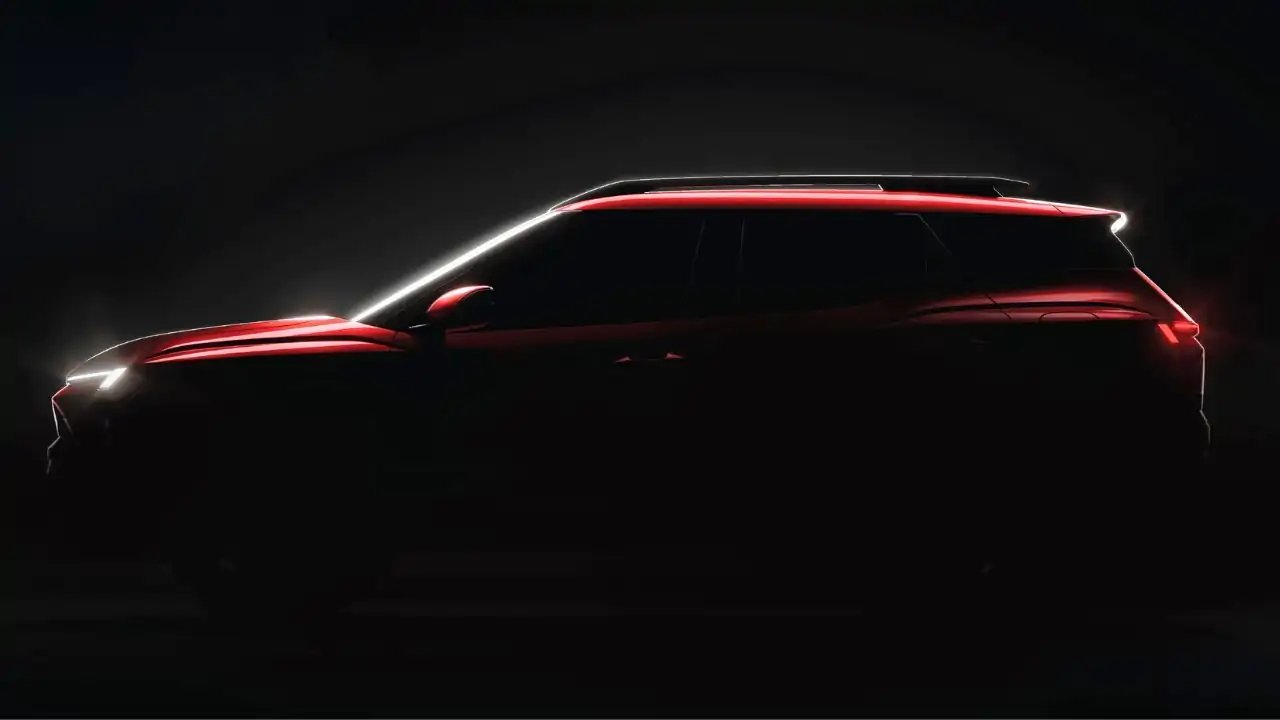
The first thing a buyer sees when opening the Hyundai India website is a simple Rs 11,000 booking fee for the Bayon – a mid‑size SUV that measures 4.2 metres long. This is the amount that locks in your place in line for the vehicle before the company reveals its final price and delivery schedule, a common strategy in India’s competitive SUV market.
The Bayon sits on Hyundai’s Global K Enhanced Platform, a chassis engineered for a 5‑star Indian safety rating. The brand claims the platform brings extra structural rigidity and advanced air‑bag deployment, but it hasn’t yet been tested by a third‑party crash‑test lab, so buyers should keep that in mind when comparing safety.
Under the hood, the SUV will run on a petrol engine – the exact displacement and torque are still undisclosed – and customers can choose between a traditional manual gearbox or Hyundai’s Intelligent Variable Transmission (IVT). The IVT is a stepped‑clutch system that blends the feel of a manual with the ease of an automatic, a feature that’s already popular in Hyundai’s other models.
Inside, the Bayon offers a generative AI voice assistant that lets drivers issue commands without pulling their eyes off the road. It sits alongside a bundle of infotainment features, but the assistant’s real test will be how reliably it understands regional accents and whether it can keep pace with the frequent software updates that Indian buyers now expect.
In the crowded mid‑size SUV segment, the Bayon will be pitted against the Kia Seltos, Hyundai’s own Creta, and the recently launched Tata Altroz‑based models. While the Bayon’s 4.2‑metre length gives it a slightly larger footprint than the Seltos (4.33 m) and the Creta (4.28 m), its price point and final power figures will ultimately decide whether it can carve out a niche.
The launch is slated for the festive season, but Hyundai has yet to pin down an exact date. Dealerships are expected to start deliveries a few months after the launch, once the final price and variant lineup are announced. Buyers who book now will get a front‑row seat to a vehicle that promises a mix of safety, AI, and a petrol‑powered heart, but they’ll also need to wait for the details that will decide its true value proposition.