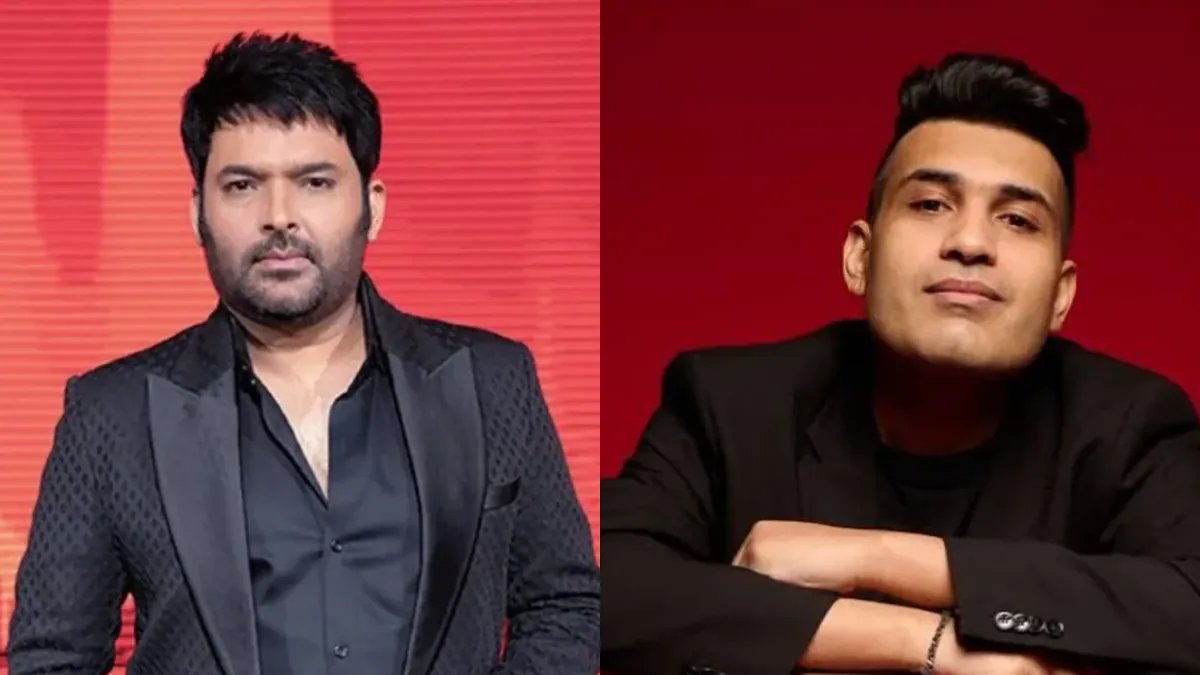
Shashwat laid it out plain: Aditya Dhar scripts the songs directly into the narrative, deciding their timing and placement before the first chord even touches the studio. That, he told the crowd, turns the composer’s role into a co‑screenwriter’s job, a luxury seldom offered in Bollywood.
The conversation then slid into the business side. Shashwat chuckled that Sa Re Ga Ma holds the music rights, but the real drama is still in the mixing room. He kept the team refining tracks even after the film hit Netflix, saying, "I’m not just making music; I’m making a film with my director."
Kapil didn’t miss a beat. He jabbed at Shashwat’s meandering answers, pulling out his signature ‘Baba ji ka thullu’ gesture and quipping, "Look who’s talking!" The audience roared as the comedian turned the technical talk into a roast, making the set feel more like a stand‑up stage than a panel.
Behind the banter, Dhurandhar’s numbers speak for themselves: a ₹1,350 crore haul at the box office and a sequel that already crossed ₹1,850 crore. The soundtrack’s ₹350 crore haul is a testament to the film’s cultural reach, turning the music into a revenue engine of its own.
What’s next? Shashwat hinted that the post‑release tweaks aren’t a one‑time act; the team plans to keep polishing tracks as the film grows on streaming platforms. For Kapil, the moment was a reminder that comedy and commerce can dance together—sometimes to the beat of a record‑setting soundtrack.