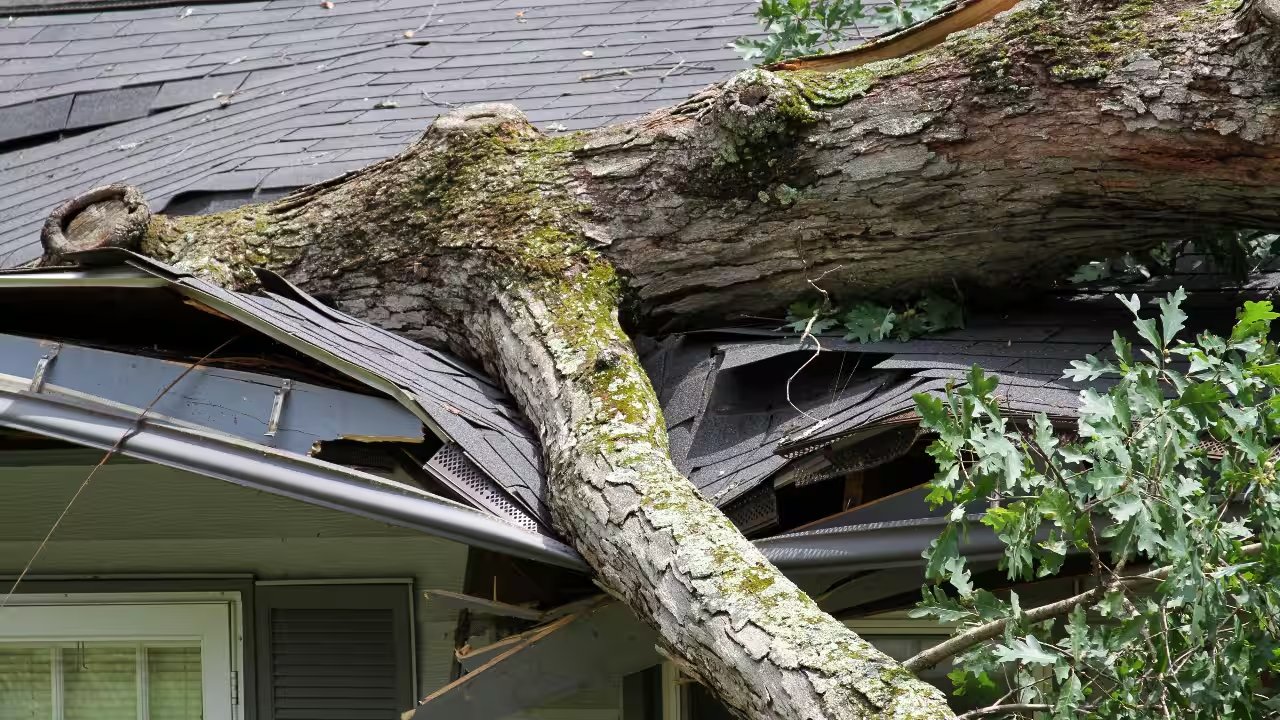
Landowners who ignore rotting trees on their property cannot hide behind common-law immunity when branches crush the house next door.
Florida's Sixth District Court of Appeal overturned a trial judge's dismissal on November 6, 2026, breathing fresh life into a homeowner's damage claim. The dispute stems from a 2022 collapse, when a decaying oak standing on land owned by USMI Properties Five, LLC crashed directly into the adjacent residence of Richard Vaughan. Beyond severe structural damage to his home, Vaughan reported crippling losses to his home-based business.
He had warned them for years. Tenants renting the adjoining parcel had repeatedly alerted USMI to dropping branches and visible decay, according to Vaughan's complaint. The owner did nothing. Vaughan sued, arguing that Florida landowners carry an affirmative legal duty to prevent known, hazardous decay from wrecking neighboring properties.
The defense leaned on precedent. USMI moved for judgment on the pleadings, asserting that Florida law imposes no legal duty on property owners to manage trees that threaten adjacent lots. The company pointed to decades of state jurisprudence shielding landowners from liability when healthy trees, roots, and overhanging limbs cross property boundaries. A trial court agreed and tossed Vaughan's negligence claim out before it could reach a jury.
The appellate bench drew a sharp line. Healthy foliage is one thing; standing rot is another. Writing for the court, the panel emphasized that general negligence principles in Florida establish a legal duty whenever a party's conduct creates a foreseeable zone of risk. Landowners who knowingly harbor a diseased, unstable tree have no blanket immunity from the fallout when gravity takes over.
The ruling does not determine liability. It merely confirms that Vaughan presented enough factual backing to survive the pleading stage and take his case before a jury. The appellate court remanded the case to the trial court for further proceedings, where USMI must now answer the negligence claims under active discovery.