The scissors came down hard.
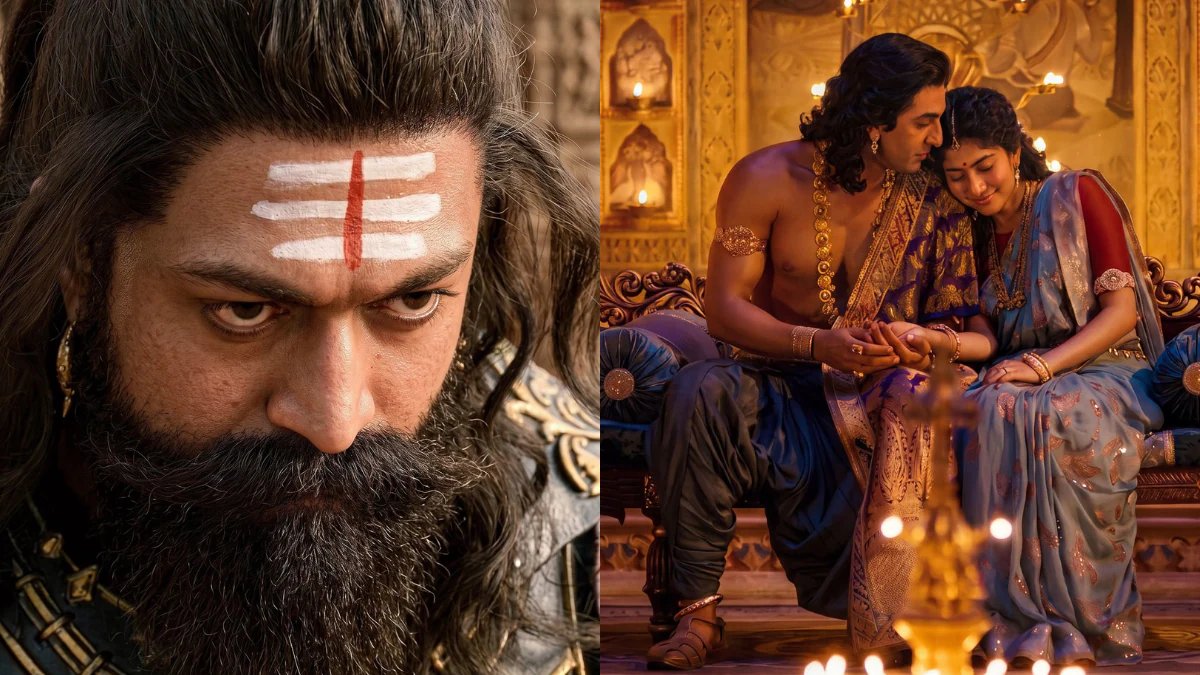
Nitesh Tiwari's cinematic retelling of Ramayana: Rise of a Legend—anchored by Ranbir Kapoor as Lord Ram, Sai Pallavi as Sita, and Yash as the formidable Ravana—arrived in theatres on November 5 under two conflicting editorial philosophies. One caters to domestic theatrical tradition with deliberate pacing. The other cleaves half an hour of character context to manufacture a lean action tempo for international screens.
Yet the real storm erupted when viewers began comparing notes across borders.
Official theatrical specifications reveal a dramatic structural divergence between the two releases. The primary Hindi theatrical cut clocks in at an expansive 196 minutes—stretching to 3 hours and 16 minutes. By contrast, the English-language version slashes runtime to 166 minutes, shedding 30 minutes of footage to fit a compact 2-hour-and-46-minute frame.
| Cut Specification | Hindi Theatrical Cut | English International Cut | Difference |
|---|---|---|---|
| Total Runtime | 196 minutes (3h 16m) | 166 minutes (2h 46m) | -30 minutes |
| Opening Sequence | Traditional narrative ramp | Early Ram-Ravana faceoff | Restructured prologue |
| Key Mythological Sequence | Bharat Milap retained | Bharat Milap omitted | Exile drama trimmed |
| Character Beats | Extended Ayodhya, Wedding & Lakshmana anger | Streamlined character context | Secondary arcs condensed |
| Khar-Dushan Sequence | Truncated fight & dialogue | Extended action & confrontation | Altered domestic continuity |
To shave off that half-hour, the English cut strips out core devotional and narrative tissue. Gone is the emotionally resonant Bharat Milap sequence, where Bharat confronts his exiled brother in the wilderness. The international cut also excised Lakshmana’s raw fury toward Bharat, broader world-building around Ayodhya, and the ceremonial sweep of Lord Rama and Sita’s wedding sequence, alongside an early visual introduction of Jatayu.
And yet, domestic moviegoers found themselves on the losing end of the editing bay.
Despite the Hindi cut carrying an extra 30 minutes of screen time, observant viewers flagged that several key sequences were trimmed solely from the Indian release. Chief among them: an opening confrontation between Ram and Ravana that appeared in international prints but vanished from local theatres.
Discontent flared over the mid-film battle against the demon warlords Khar and Dushan. In the domestic cut, the sequence arrives with jarring, abrupt transitions. Viewers took to social media to highlight that an extended combat choreography sequence—alongside a pivotal dramatic conversation between Ram and Khar-Dushan—was removed from Indian screens while surviving abroad.
One domestic viewer pointed directly to the production hierarchy:
Btw, if you were wondering why the editing of the Khar
Dushan segment was choppy af in an already poorly edited movie, it's coz of Namitwa's & Viswapendu's gigabraining. Jab man chaha kuch bhi bin matlab ke trim kar di. It's also got the extended fight sequence trimmed in the Indian release."
Another ticket-buyer noted the lost dramatic tension:
This is one of major conversation between Ram & Khar Dushan, they should have kept this Ind version.
The editorial friction marks the latest chapter in a turbulent public rollout. Initial visual skepticism shifted earlier during the campaign when the production released its flagship musical track, 'Jai Jai Ram.' Audiences praised the reworked visual effects, viewing the polish as proof that the creative team had absorbed initial pushback.
Similarly, early teaser materials had triggered strong affection for Kapoor’s measured posture as Ram, while generating relentless calls for expanded screen time for Yash’s villainous turn.
Now, with both the 196-minute Hindi print and the streamlined 166-minute English edit playing to global houses, the spotlight shifts from CGI polish to narrative coherence. Studio executives and Tiwari's post-production unit face mounting calls from domestic ticket-buyers to restore the complete Khar-Dushan duel and opening prologue for future streaming and archival editions.