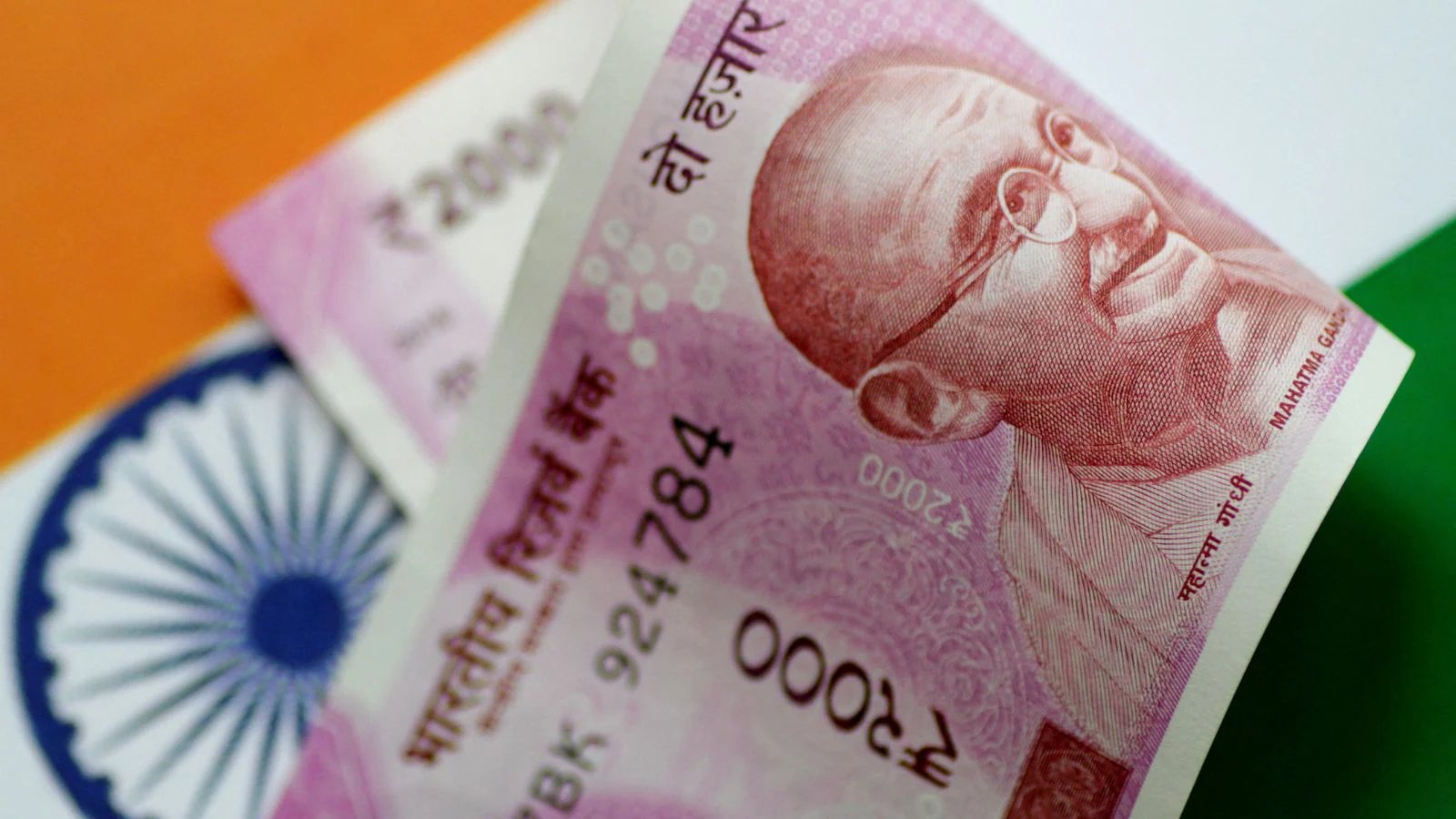
The Indian rupee is set to grind higher over the next three years. Nomura projects the domestic currency will firm to 92.5 against the US dollar by the end of 2027, anchored by cooling crude oil benchmarks, steady domestic balance sheets, and a cooling artificial intelligence trade.
The brokerage forecasts the rupee at 94 per dollar by the end of this year. It then sees a steady, disciplined crawl upward—not a violent spike, but a structural gain. "Our forecast for the end of 2027 is 92.5. So, we do feel the currency is going to steadily appreciate, though not very sharply," said Robert Subbaraman, Head of Global Macro Research at Nomura.
Energy costs tell the story. India imports over 80% of its crude requirements, making dollar-denominated oil the single largest swing factor on Dalal Street and AirNews Street. Diminishing risks of a full-scale US-Iran confrontation have pushed crude prices down. That immediately repairs India’s current account balance and removes acute upward pressure on domestic consumer price indices. Subbaraman expects India's gross domestic product to expand at roughly 7%, while headline inflation could climb above 6% before peaking and receding in the second quarter of next year.
Political fractures in the United States are accelerating this emerging-market rotation. Democratic gains in key US midterm gubernatorial races—particularly across energy-heavy states like Texas, which houses nearly 30% of all US data centers under construction—have triggered calls for construction moratoriums. Less data center capacity directly throttles memory power demand, denting upstream hardware suppliers across Taiwan and South Korea while knocking Nasdaq futures lower. India, running light on upstream semiconductor manufacturing, functions as an institutional hedge.
Wall Street's rate dynamics add another layer of insulation. US 10-year Treasury yields have dropped from 5.36% toward 4.85% as portfolio managers reallocate away from volatile tech equity into fixed income. A divided US legislative branch curbs aggressive fiscal expansion, capping sovereign debt issuance down the road.
Yet borrowing costs will not fall off a cliff. Nomura expects the US Federal Reserve to push through one more interest rate hike in December before entering an extended freeze. With the US Senate under Democratic control, White House attempts to seat ultra-dovish policymakers on the Federal Open Market Committee face stiff resistance, keeping monetary policy squarely targeted at persistent price pressures. For India, that steady hand abroad, paired with cheaper energy barrels at home, cements a durable floor under the currency.