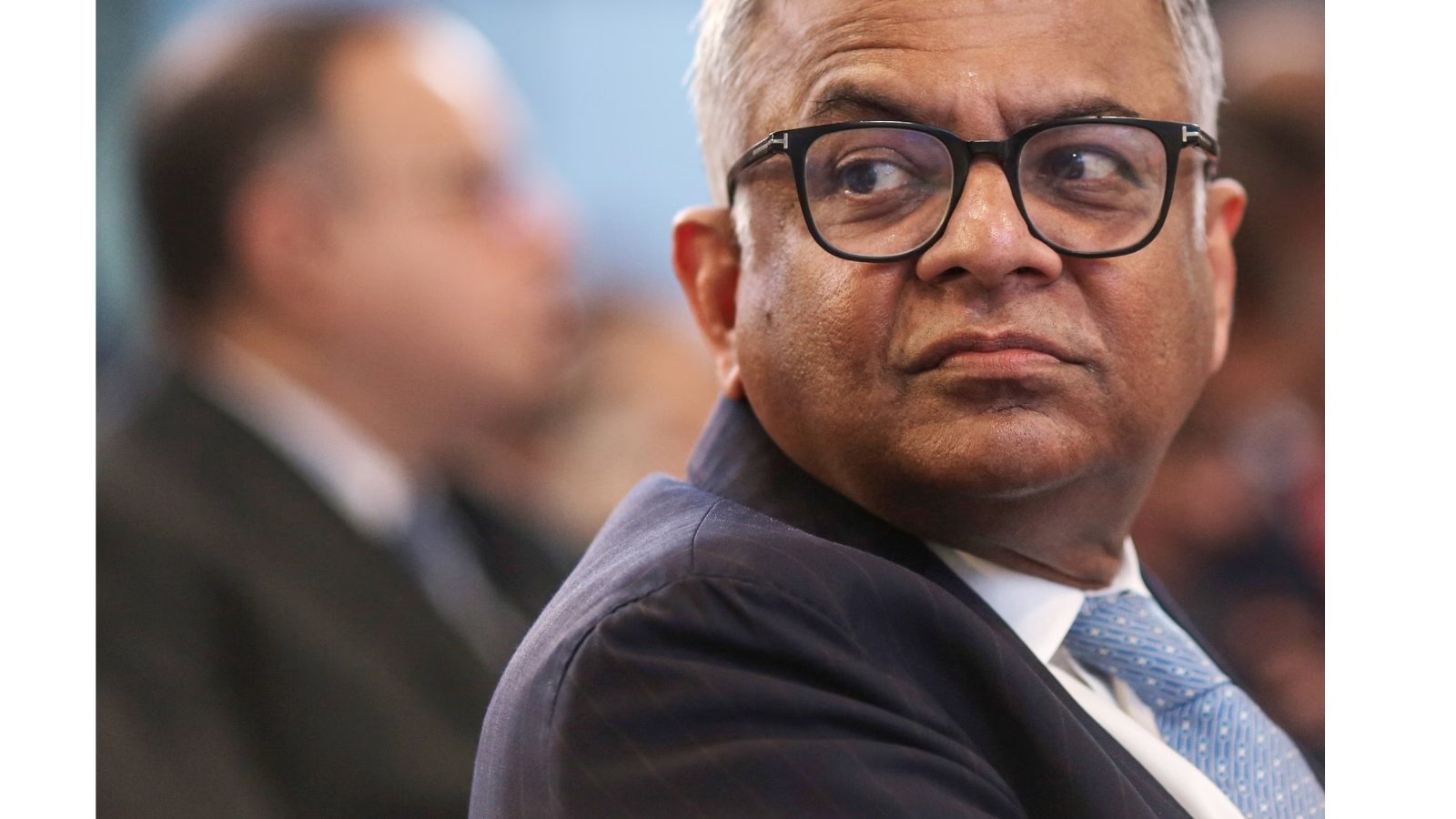
Tata Sons' board filed a Form MGT‑14 on Oct 15, confirming the reappointment of N Chandrasekaran as executive chairman for the 2027‑2032 term, following a 4‑1 vote on Sept 17—an outcome that eclipses the 2022 resolution which cited Articles 105 and 118.
The omission of Article 118 is not a minor clerical tweak; it cuts the statutory route that requires a 5‑member selection committee, 3 of whom must be nominated jointly by Sir Dorabji and Sir Ratan Tata Trusts. According to the filing, the board relied on legal counsel that Article 118 applies only to the first appointment of a chairman, not to reappointments.
Noel Tata, chairman of the Trusts, voted against the resolution, citing the 66% stake and the special voting rights under Article 121. Venu Srinivasan, another Trust‑nominated director, backed the board, aligning the final tally at 4‑1. The trust’s letter to the company on Sept 24 reiterates that the resolution lacks legal effect without Article 118.
Parallel to the governance debate, RBI rejected Tata Sons' request to surrender its core investment company registration, a move that would have left the company unlisted. The board used the same meeting to signal intent to list, with the Registrar of Companies granting an extension to hold the AGM by Dec 31. Analysts note the timing may be strategic to align the listing timeline with the trust’s dispute resolution.
Going forward, market watchers should track the trust’s final vote at the AGM, the RBI’s stance on the core registration, and the board’s formal listing proposal. Any shift in governance consensus could affect the conglomerate’s valuation narrative and investor confidence in Tata‑group companies.