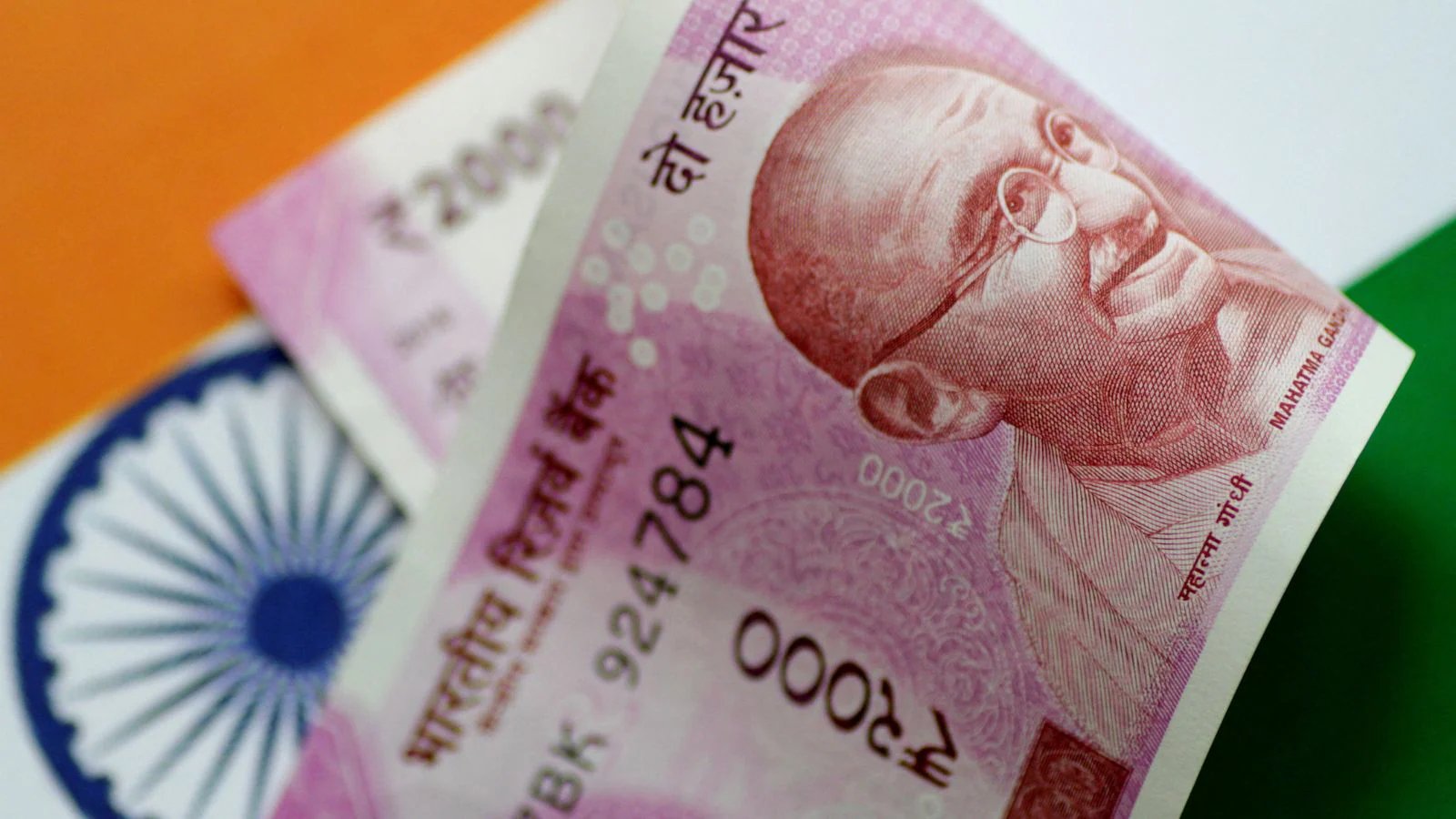
The rupee’s decline to a new all‑time low comes as $140 billion of capital has left the country, with a sharp ₹53,000 crore outflow from Indian equities in just ten days. The slide is a stark contrast to India’s robust macro backdrop, which has seen GDP growth rates above 6% and inflation hovering near 4%.
Jayesh Mehta, Vice‑Chairman and CEO of DSP Finance, said the outflows signal hidden leakages that regulators must identify and plug. He highlighted that equity outflows are a major concern, and that despite a strong economy, investors are pulling money out.
Mehta urged regulators to probe derivatives and algorithmic trading as potential sources of leakage, noting that custodial data could illuminate both gross inflows and outflows. He called for a comprehensive review of the data to pinpoint what is driving the movement of money.
The discussion also touched on the remaining onshore‑offshore linkages that could be tightening. Mehta warned that even after banks’ onshore‑offshore operations were capped in March, corporate linkages remain active and could be a conduit for capital flight. He suggested that source‑based taxation, already used for government securities, might be expanded to equities to curb leakage.
Analysts predict that if outflows persist, the RBI may consider tightening its accommodative stance or introducing stricter capital controls, which could further pressure the rupee. The market is watching closely for any policy shift that could alter the currency’s trajectory.