Ranchi didn't just see a cricket match; it witnessed a batting festival that left the bowlers gasping. West Indies chased down 250 to win by six wickets, capping a night where 501 runs were scored in just 38.3 overs. The surface was a flat, dew-heavy trap, and while India posted 249/5, the visitors responded with 252/4, leaving the hosts with little to show but frustration.
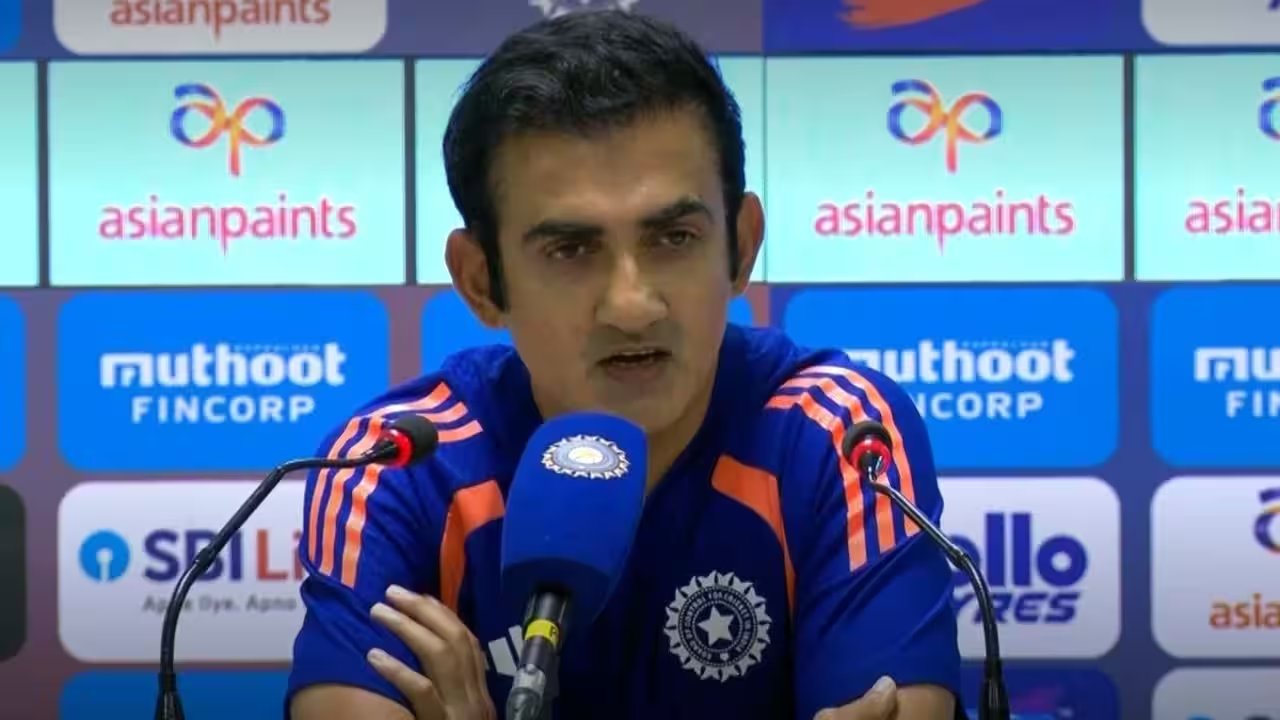
The hero of the night was undoubtedly Roston Chase. In a match where the ball barely turned, Chase’s 3/24 off four overs was the only spell that made sense. Head coach Gautam Gambhir admitted the West Indian’s adaptability was the key, noting how Chase kept changing his lines—bowling at the feet, going wide, hitting full—to keep the Indian batters guessing. It was a masterclass in intelligent bowling on a wicket that demanded it.
But here’s the twist: India’s bowling attack hasn’t been entirely silent. Express quick Mayank Yadav struck twice in the very first over, reducing West Indies to 5/2. For a fleeting moment, it looked like the hosts might hold onto the target. Then came Shai Hope and Sherfane Rutherford. Their 120-run stand off just 54 balls dismantled India’s bowling attack, with Hope finishing unbeaten on a century and Rutherford smashing 84 off 37.
Gambhir, clearly irritated by the bat-ball imbalance, didn’t mince words. “If you want an even contest, we want that too,” he said, adding that the careers of India’s bowlers are also on the line. He defended the promotion of Shivam Dube to No. 4, a move that yielded only seven runs off 10 balls, calling it part of a long-term strategy. But on a night like this, strategy feels like a luxury when the opposition is hitting the ball out of the park with ease.
India now faces a critical juncture in the series. With the T20I series tied 1-1, the pressure is on to fix the bowling unit before the next encounter. The question isn’t just about the score; it’s about whether India can find a way to stop the opposition on these treacherous, flat tracks.