Mitchell Santner is back at the helm as New Zealand unveiled a two-part strategy for their upcoming ODI clash with India. The series kicks off on November 4 at Eden Park in Auckland, but the Blackcaps are playing the long game. They’re splitting their squad because the ODI window overlaps with the preparation for a massive upcoming Test series.
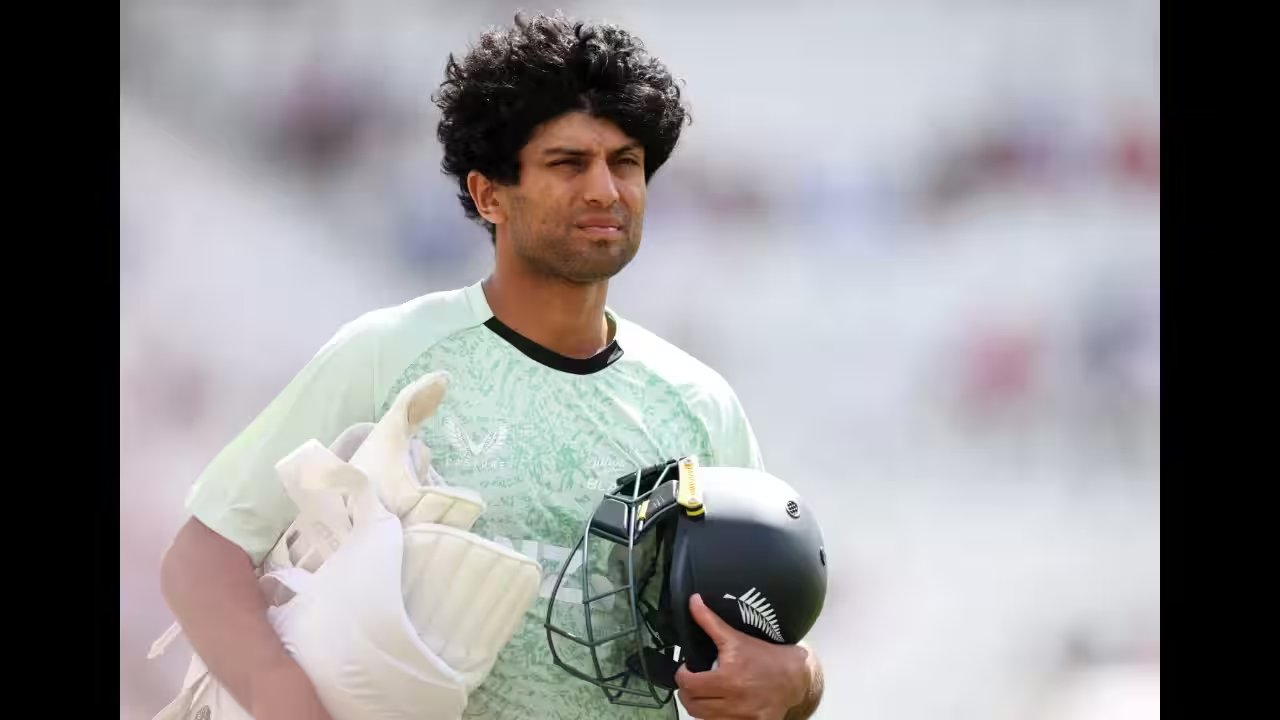
Rachin Ravindra is the headline return. The all-rounder, who sat out the T20I squad due to a shoulder knock, is cleared to play the first three ODIs. His presence gives Santner immediate balance in the top order. For the fourth and fifth games, the focus shifts entirely. Lockie Ferguson and Finn Allen—both absent from the ODI format since 2023—step in. Ferguson’s last ODI was that high-stakes World Cup semi-final in Mumbai, and he’s ready to hit the button again.
The squad for the initial three matches is lean but experienced. Devon Conway leads the batting line, supported by Glenn Phillips and Daryl Mitchell. In the middle, Mark Chapman and Michael Bracewell offer the creative spark. The pace attack leans on Matt Henry and Kyle Jamieson, with Jacob Duffy providing a useful left-arm swing option. Tom Latham keeps behind the stumps, while Blair Tickner and Will Young round out the spin department.
It’s a calculated risk. New Zealand won the last ODI series against India 2-1 in January, a historic first on Indian soil. They want to keep that momentum alive in Auckland. But by rotating Ferguson and Allen in for the final two games, they’re ensuring their A-players are fresh and fit for the Test series starting in early November. Seven additional players, including Tim Seifert and Mitch Hay, will join the group after the third ODI to bridge the gap.
India will have their work cut out dealing with this hybrid approach. The Blackcaps look settled, but the rotation adds a layer of unpredictability. The real test begins when the T20I series ends on November 1. One week later, the ODIs start. The stakes are clear: maintain the winning streak or break it.