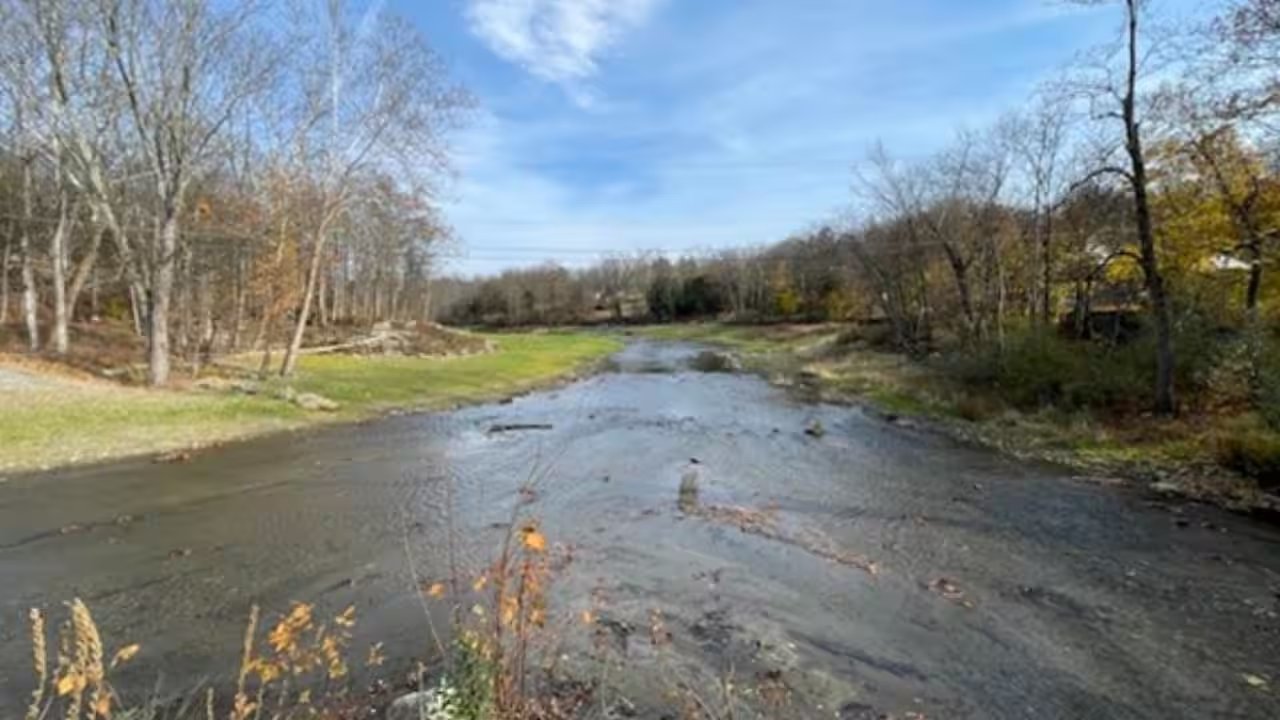
Scientists in New Jersey recorded juvenile American eels upstream of the former Columbia Dam after its 2019 removal, as detailed in a study published in Frontiers in Ecology and Evolution on April 13, 2026. The nine‑year monitoring spanned from before the dam’s demolition to the present, capturing a steady rise in eel numbers, sea lamprey nests, and adult American shad in the upper Paulins Kill.
The Columbia Dam, built in the early 1900s by the Paulins Kill Consolidated Ice and Power Company, had once fed the local ice industry and generated power for Columbia, New Jersey, and Stroudsburg, Pennsylvania. By 2019 it had become a choke point for migratory fish, blocking their path to spawning grounds. Removal was prioritized because the dam sat near the river’s confluence with the Delaware, a historically critical corridor for species moving between sea and freshwater.
Water‑quality metrics also improved: average temperature dropped by 0.29 °C and dissolved oxygen rose by 0.14 mg L⁻¹. These shifts, though modest, signal a more natural flow regime that better supports aquatic life. The University of New Jersey’s Ecology Department noted that such changes are essential for long‑term ecosystem resilience.
The results are feeding a broader push to reopen river segments across the state. The New Jersey Department of Environmental Protection has announced a preliminary plan to assess three additional dams for removal in the coming year, aiming to restore habitat connectivity for migratory species statewide.