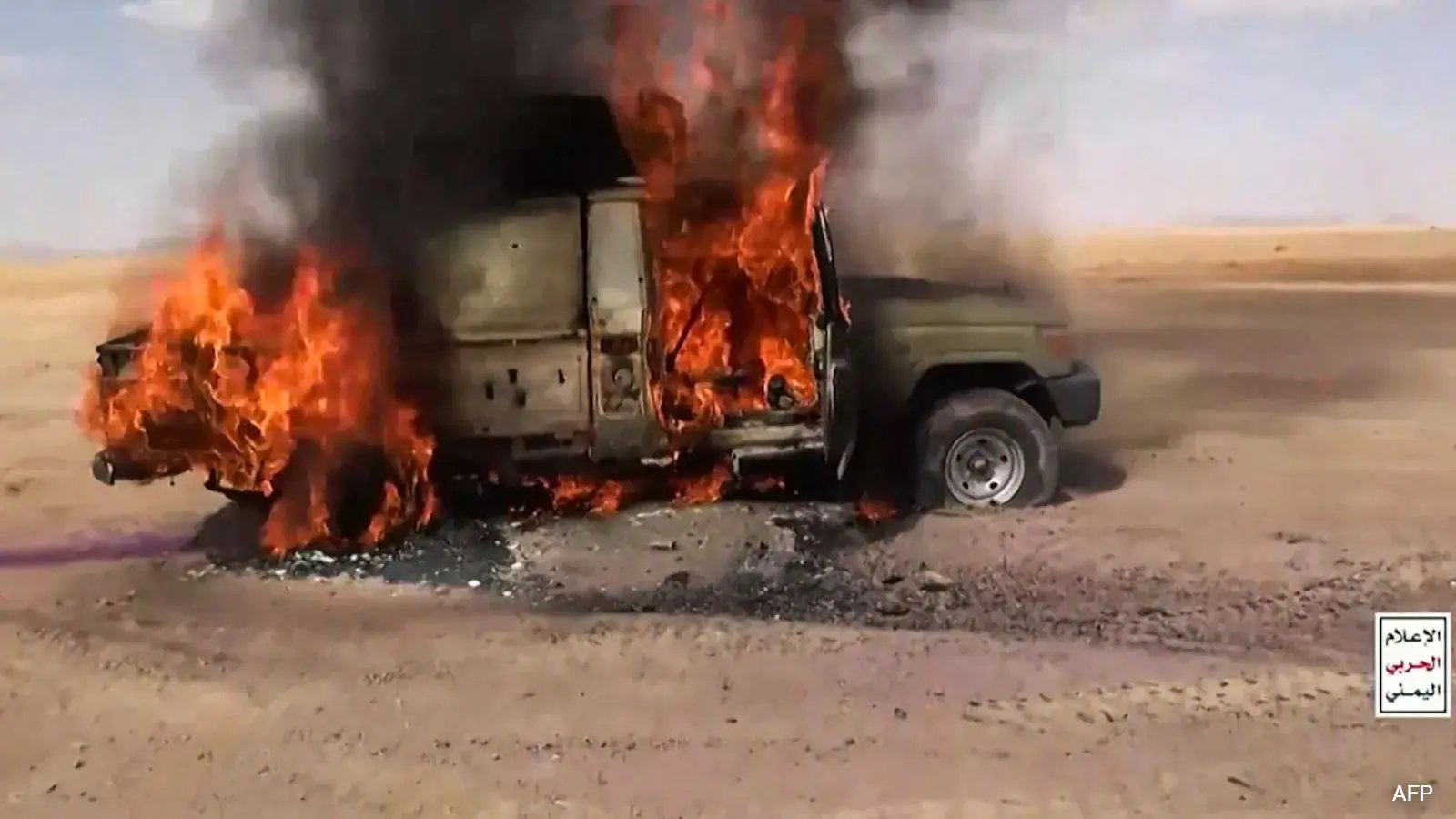
Debris from a Houthi drone struck the Shaybah oil field in Saudi Arabia's southeast on Wednesday, killing two contract workers and injuring two others. The Saudi Energy Ministry identified the dead as Nepali and Filipino nationals. The injured, a Pakistani national and an Indian, sustained injuries from the impact. A fire also broke out in a contractor's vehicle at the site, though the ministry did not specify the extent of damage to the extraction equipment itself.
This incident marks a grim escalation in the Houthis' campaign against Saudi infrastructure. Last month, similar debris from an intercepted drone killed a Yemeni resident, the first civilian casualty since the rebels ramped up attacks on the kingdom's shipping and oil assets. Earlier this month, an administrative building at Aramco—often cited as the world’s largest oil company—caught fire following a targeted strike in the Eastern Province. The pattern is clear: Riyadh’s energy backbone is under sustained, high-risk siege.
The violence stems from the collapse of a four-year truce in Yemen, where renewed fighting between the Houthis and Saudi-backed forces has widened into a broader Middle East crisis. The Houthis claim their actions are retribution for Saudi military support to the Yemeni government, a justification they assert without public evidence. Meanwhile, the ripple effects on global logistics remain severe. King Khalid International Airport, struck multiple times this month, shuttered on Oct. 10. While domestic carriers like Saudia and FlyNas resumed limited operations Wednesday, major international airlines, including Lufthansa and Air France, have canceled flights through mid-November, stranding thousands of travelers.
For the Indian community in Saudi Arabia, the injury of one of the victims serves as a stark reminder of the precarious security environment. Aramco employs hundreds of thousands of expatriates, many from South Asia, in these high-value operational zones. As the Saudi government works to secure the air corridors, the next 72 hours will likely see heightened military interceptions over the Eastern Province, with the Energy Ministry expected to issue further updates on site safety and operational continuity.