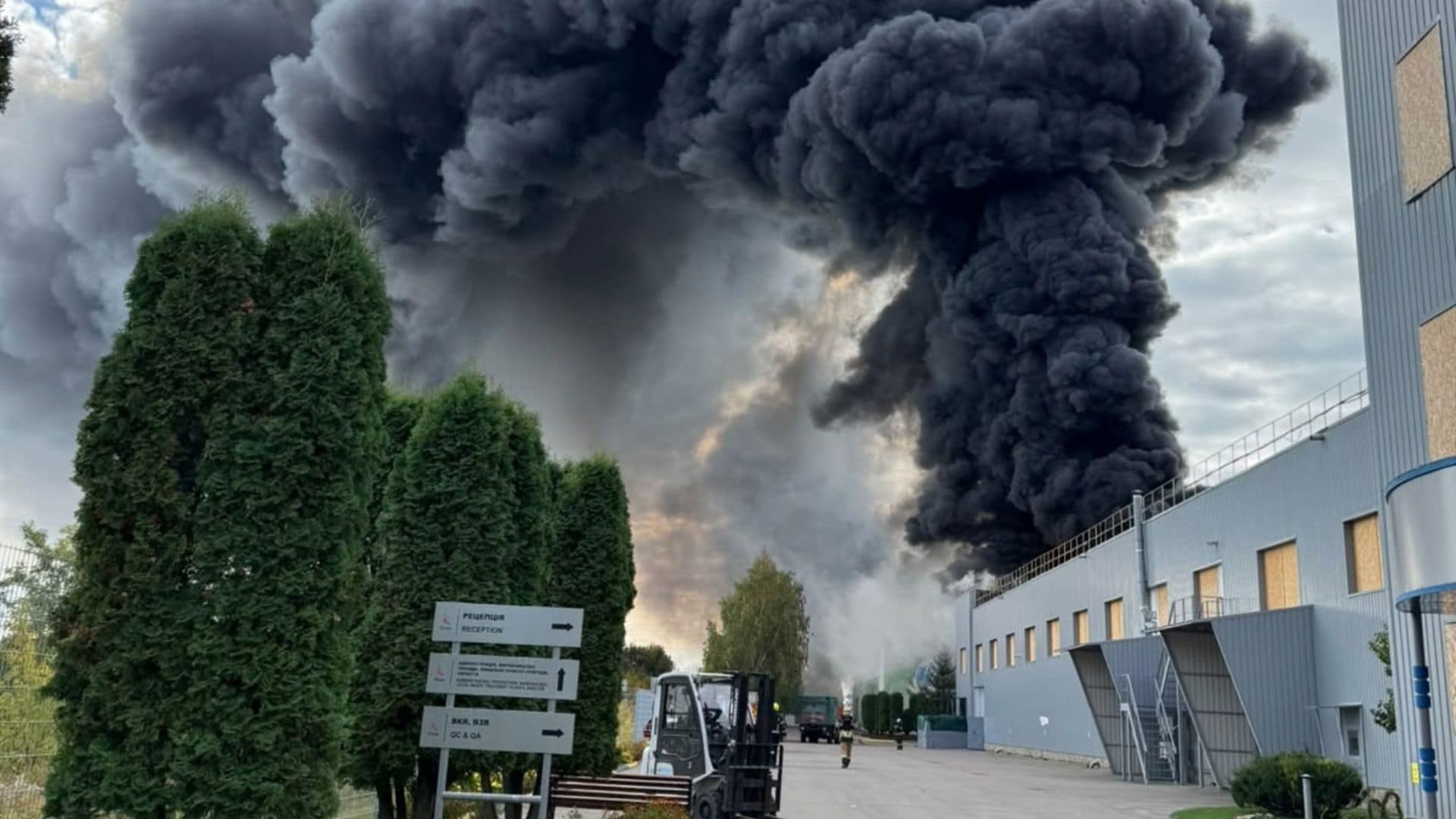
Smoke billowed from the Sumy district as Russian Shahed drones tore through the main structure of a pharmaceutical plant owned by India’s Kusum Group. One worker died in the strike, while several others sustained injuries, according to local officials who warned the casualty count may rise. The facility, which has operated continuously since 2009 despite the ongoing war, is now largely ruined.
Rajeev Gupta, the Indian national running the group, describes the operation as a Ukrainian company with deep Indian roots. The business began in 1994 as a distributor for Indian medicines before moving into manufacturing in 2007. Today, the group produces over 50 generic drugs sold in nine countries, including Uzbekistan, Kazakhstan, and the Philippines. This specific plant served as a critical hub for that regional supply chain.
The financial damage is steep. Officials estimate the loss at a minimum of Rs 400 crore. The destruction highlights the vulnerability of commercial infrastructure in border regions like Sumy, which sits close to the Russian border. Since summer, Moscow has deployed dozens of fast, jet-powered drones daily, overwhelming Ukrainian air defenses that struggle to intercept such cheap, high-speed targets.
Ukrainian forces recently announced the combat use of their domestically produced FP-7 ballistic missile, capable of striking targets up to 250 km away. This development signals a shift in Ukraine’s defensive strategy against persistent drone swarms. For Kusum Group, the immediate challenge is assessing the structural safety of remaining assets and drafting a recovery plan for its export operations.