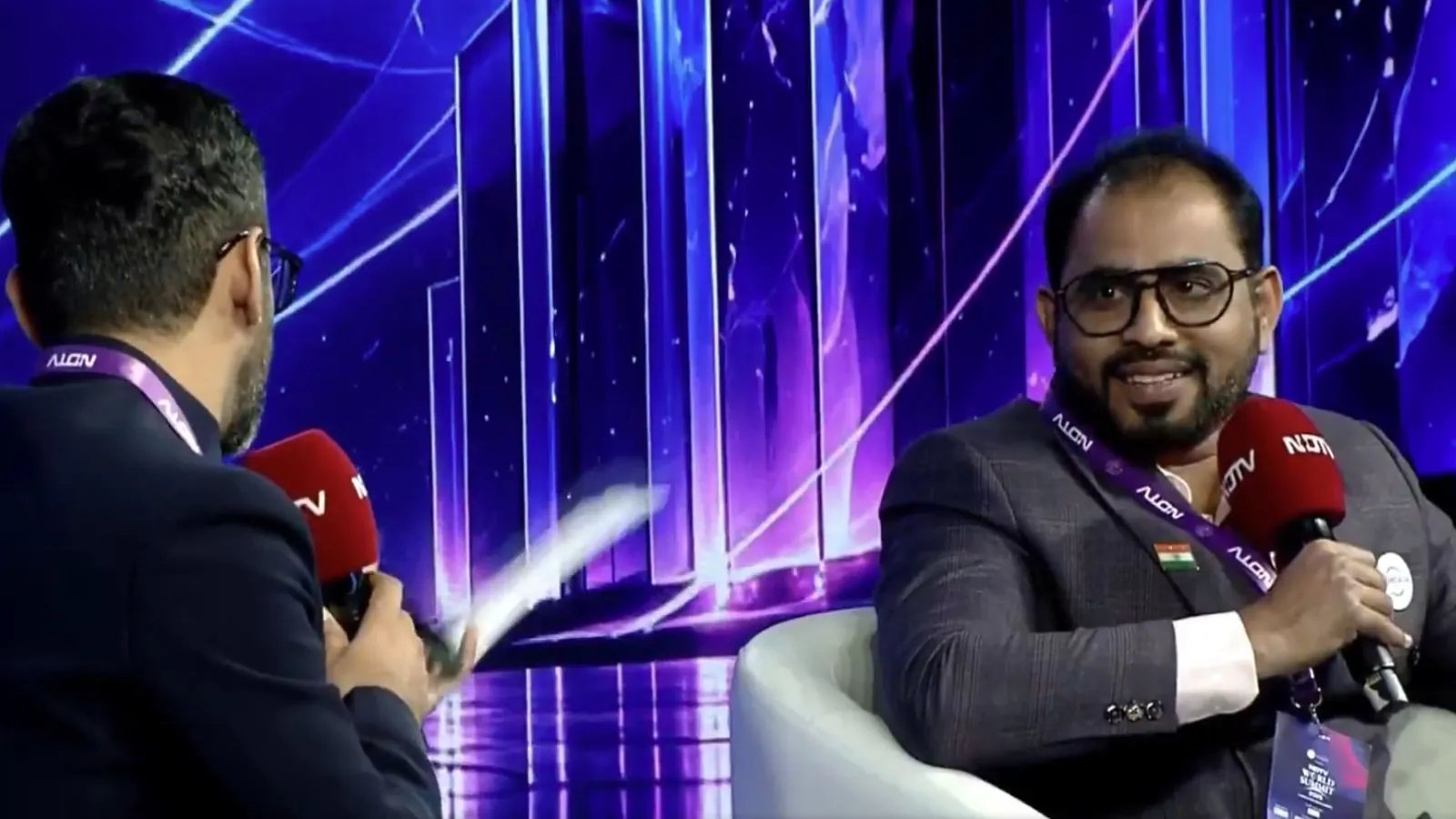
At the NDTV World Summit 2026, Bondada Raghavendra Rao warned that India still imports critical solar wafers and ingots, despite having built sufficient module capacity. He called for the establishment of domestic factories to produce these parts, arguing that self‑reliance would cut import bills and accelerate clean‑energy deployment. Rao also cited the country’s ambition to hit net‑zero emissions by 2070, noting that achieving that target requires a robust supply chain for solar equipment. The chairman, who leads Hyderabad‑based Bondada Group, said the nation has the talent, capital, and speed to move forward.
To address the storage gap, Rao highlighted a 100‑megawatt‑hour vanadium redox flow battery project secured with NTPC, the nation’s largest power producer. He explained that vanadium is plentiful in India, yet underused, and that the new technology can store electricity for 10 to 12 hours—far longer than conventional lithium‑ion cells. Rao urged the government to incentivize such batteries, pointing out that India currently imports almost all lithium‑ion battery cells.
The urgency of reliable power was underscored by Rao’s remarks on data‑centre demand. He warned that a single millisecond of interruption could cripple artificial‑intelligence workloads, and called for green‑energy corridors and upgraded transmission to guarantee uninterrupted supply. The country’s installed capacity stands at roughly 533 GW, with 281 GW derived from non‑fossil sources, and Rao said that is poised to reach 300 GW by 2047.
Bondada Group has already diversified into electric mobility with its new Thuraga Motors brand, signalling the firm’s broader commitment to a low‑carbon future.
Moving forward, the ministry of power is slated to review the proposed domestic wafer‑manufacturing framework in the next policy round, which could set the stage for a self‑contained solar industry.