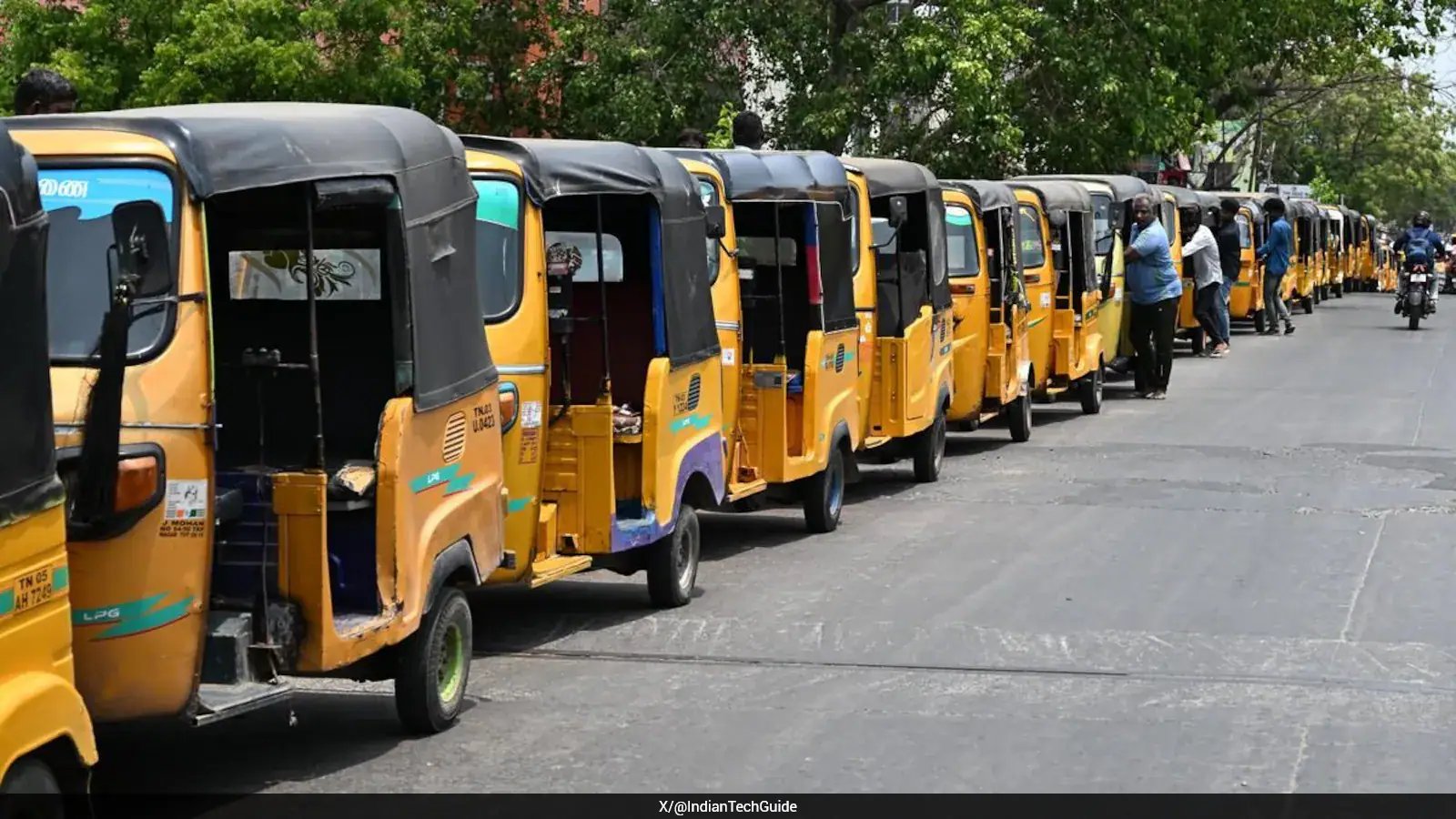
If you’re planning a quick hop across Chennai, the first thing you’ll notice is the new base price: ₹50 for the first 1.8 kilometres, up from the old ₹25. That’s a 100% jump, but it’s the same fare you’ll pay whether you’re headed to the market or to a friend’s house.
And it’s not just the start. Every kilometre beyond the initial stretch now costs ₹25, a steep rise from the previous ₹12 per km. For a 5‑km ride, the bill will climb from roughly ₹115 to over ₹225.
The move isn’t isolated. Delhi’s auto fares hover around ₹30 for the first 1.5 km, and the new Tamil Nadu rates bring them into a closer range, potentially making longer trips more predictable. Drivers, however, will feel the pressure too, as their operating costs have surged with electricity and maintenance.
Night‑time rides between 10 pm and 5 am will cost 1.5 times the day rate, and a waiting charge of ₹1 per minute comes into play. On hilly roads, the ghat fare is set at ₹60 for the first 1.8 km and ₹30 per km thereafter, 1.2 times the base fare.
These changes went into effect on 27 Oct 2024, covering contract‑carriage autorickshaws in Chennai Metropolitan Area and the rest of Tamil Nadu. The state transport authority will oversee the rollout, ensuring drivers are informed and the new rates are posted in each vehicle.
What’s next? The industry will be watching how the higher fares affect ridership and whether drivers push back for subsidies or alternative revenue streams. For commuters, the key takeaway is that every meter now carries a higher price tag, but the price is also clearer and more uniform across the state.