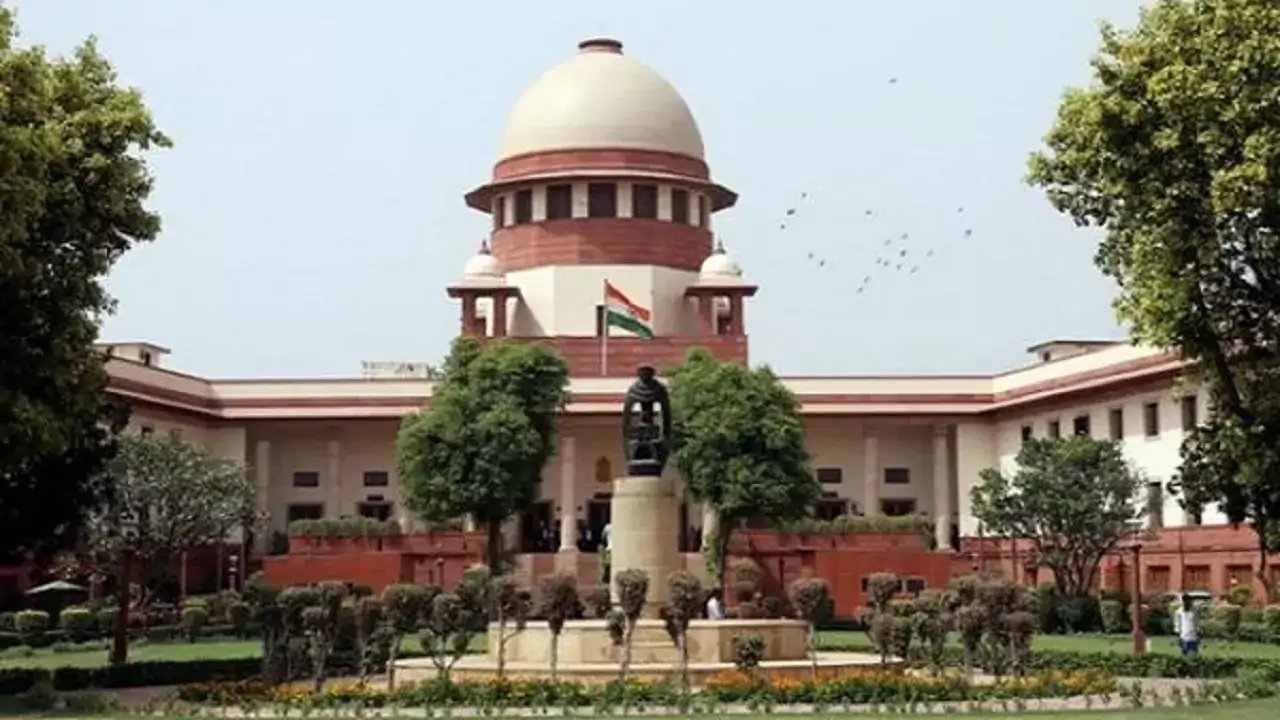
Supreme Court Justice S C Sharma’s recent bench decisions have triggered a fresh debate on judicial propriety. The trigger: his son, reportedly a standing counsel for the Election Commission of India (ECI) in the Madhya Pradesh High Court, represents the very institution the judge has been hearing cases against. This isn’t just a coincidence; it’s a structural conflict that legal commentators are now dissecting.
Sharma was part of the bench hearing a challenge to the law governing the appointment of the Chief Election Commissioner. Petitioners argue the current selection panel—comprising the Prime Minister, a Union minister, and the Leader of Opposition—is flawed. In a separate matter, the same bench granted interim relief to Medha Roopam, daughter of Chief Election Commissioner Gyanesh Kumar, overturning Allahabad High Court directions regarding her detention under the National Security Act. Roopam is the Gautam Buddh Nagar District Magistrate.
Critics point to the roster system. The Medha Roopam case was not on Sharma’s regular roster, raising questions about case allocation. If a judge’s relative is hired by a party involved in the litigation, the appearance of bias is as damaging as the reality. Justice must not only be impartial; it must be seen to be impartial. The public trust in the judiciary relies on this perception being unshakable.
There is no finding of wrongdoing or actual bias here. The concern is the optics. When a judge’s son is paid to represent an organization, and that judge hears cases involving that organization’s leadership, the lines blur. It creates a narrative that the bar and the bench are no longer distinct, but entangled.
The Supreme Court administration has not commented on these specific queries. However, the legal fraternity is waiting to see if the bench recuses itself in future ECI-related matters. Until then, the shadow of conflict remains over the poll panel’s independence.