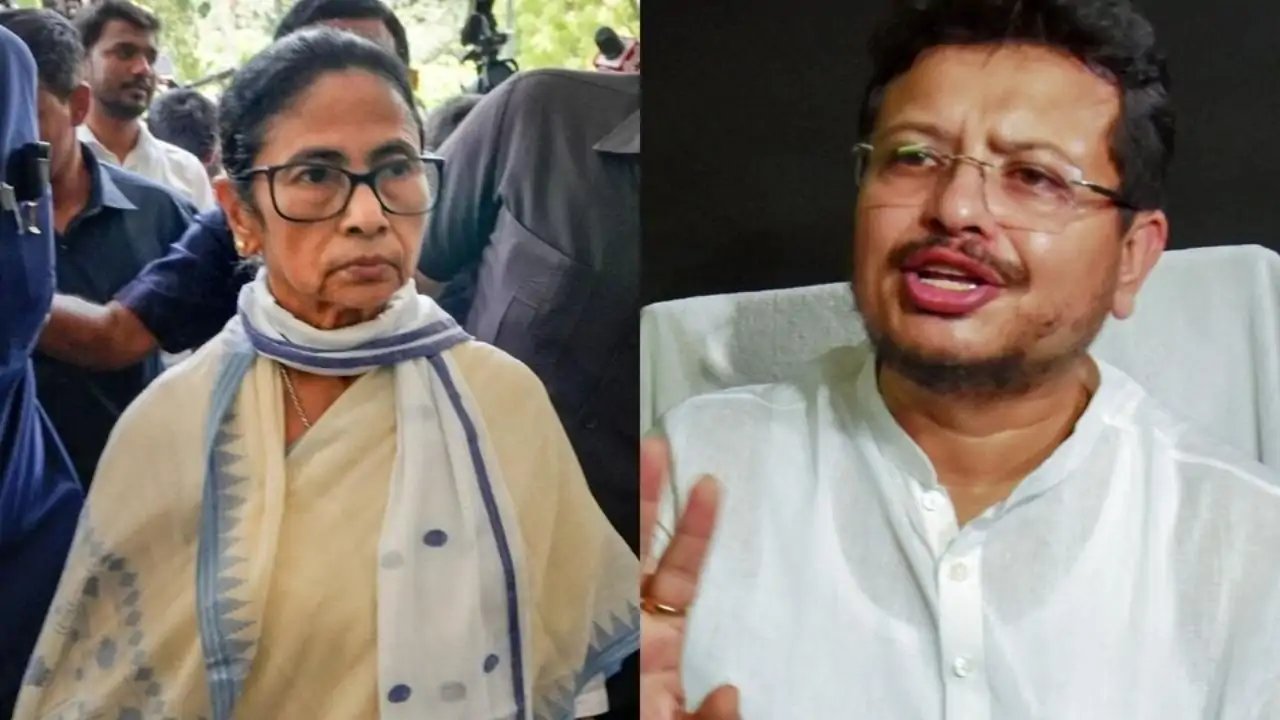
The Election Commission of India pulled the rug out from under West Bengal’s political establishment on Thursday, freezing the 'All India Trinamool Congress' name and its iconic 'Jora Phool' symbol. This interim order directly impacts the upcoming by-elections in Nandigram and Rejinagar, scheduled for October 6. Neither the Mamata Banerjee faction nor the rebellious Ritabrata Banerjee group can use the established brand. The death blow to the status quo.
Polling officials gave both camps a tight deadline: submit three preferred names and three free symbols by 11 am on Friday, September 18. The Mamata-led loyalists reacted with fury, emailing their choices at 11:36 pm on Thursday 'under strongest protest.' Sources told Times Now that the former Chief Minister’s camp opted for a football symbol as its first preference—a stark departure from the flowers and grass. Kalyan Banerjee, a loyalist MP, dismissed the ECI order as 'contrary to law,' refusing to accept the legitimacy of the split.
The rebels, however, welcomed the move. Ritabrata Banerjee’s faction submitted a list that included 'Nationalist Trinamool Congress,' 'Democratic Trinamool Congress,' and 'West Bengal Trinamool Congress' as name options. For symbols, they chose the envelope, the torch, and the blackboard. It’s a calculated gamble. By accepting the ECI’s framework, the rebels position themselves as the legitimate successors to the party identity, while the loyalists are left scrambling to define a new visual identity for a voter base accustomed to the Jora Phool.
New Delhi watched closely, and Congress pounced. Rahul Gandhi, the Lok Sabha Leader of Opposition, alleged on X that the BJP and the Election Commission 'join forces' to split parties and snatch symbols. He cited a pattern starting with Shiv Sena and NCP. KC Venugopal, Senior Congress General Secretary, went further, calling the freeze a 'late-night birthday gift' from CEC Gyanesh Kumar to PM Modi. He accused the poll body of giving rebels a 'red carpet' to commit defection. The allegation is heavy: that the neutral arbiter is actively engineering political fragmentation.
The ECI’s action stems from Paragraph 15 of the Election Symbols Order, which governs disputes when rival factions of a recognized party claim to be the true representatives. The Commission’s goal is to prevent voter confusion while it examines the evidence. But in West Bengal, where the TMC has dominated politics for two decades, this is not just an administrative step. It is a seismic shift. The October 6 vote will now be a referendum on which faction holds the moral and legal right to the TMC legacy. The symbol freeze is merely the opening shot in a much larger battle for West Bengal’s political soul.