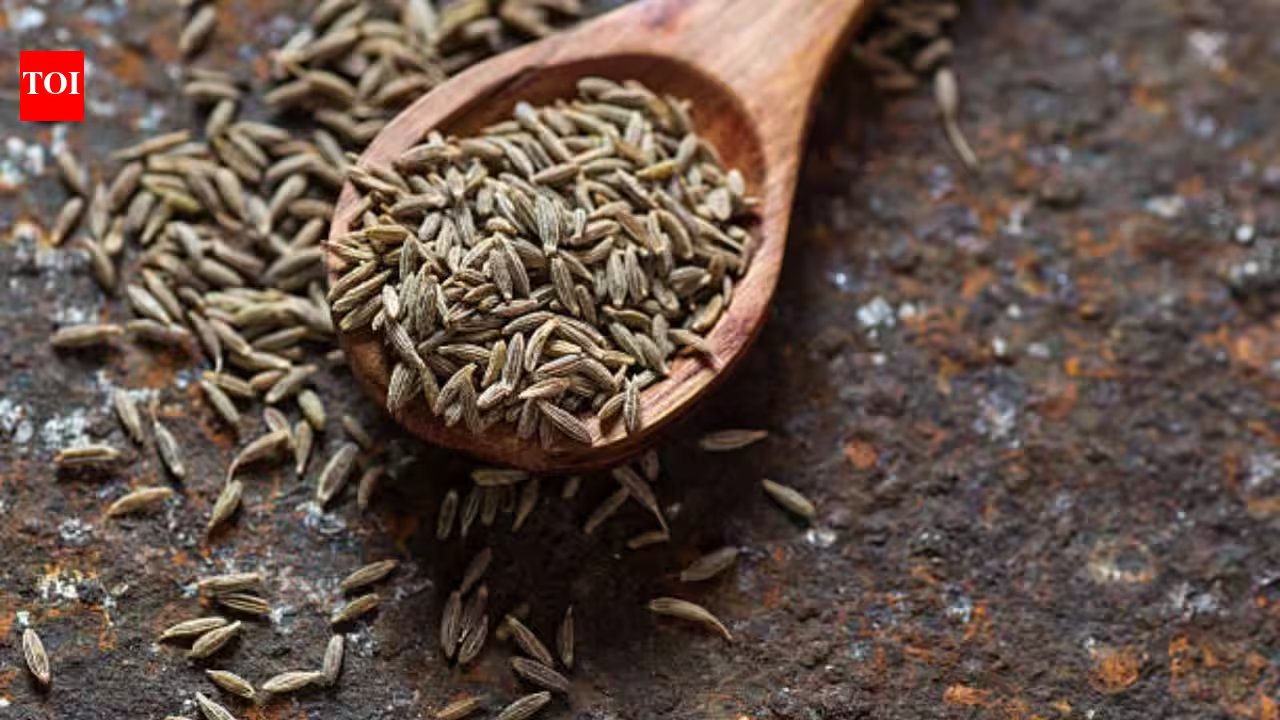
You don’t need a lab to keep your spice rack clean. First, grab a small handful of cumin seeds and rub them between your palms. If the palms darken, that’s a red flag that charcoal‑colored grass seeds might be hiding in there—an indicator of cheap filler.
A quick visual check works wonders too. Spread a pinch of cumin on a glass plate and look for odd shapes or colors. Fennel seeds, which can masquerade as cumin, are usually rounder and a shade lighter. Spotting them early means you’re avoiding a common adulterant.
When it comes to powder, the stakes are higher. The Food Safety and Standards Authority of India (FSSAI) pulled batch E080668761 of Everest pre‑packed cumin after lab tests found Azoxystrobin and Thiamethoxam levels above the legal limit. If you have the same packet, skip it—don’t risk your health.
Still, a home test can’t reveal pesticide levels. It only tells you if something looks off. For a definitive check, you’ll need a laboratory test, but the quick visual and tactile scans give you a first line of defense.
A simple way to stay ahead is to always check the batch number before you cook. FSSAI’s public recall database is free and can be accessed online. Mark the batch on your pantry board; if it shows up on the recall list, swap it out.
Finally, choose spices from reputable brands that list the source and expiry clearly. Keep a small notebook of your pantry’s batch numbers and check them against the FSSAI recall list before you use any spice. That habit keeps your meals safe and your kitchen trustworthy.