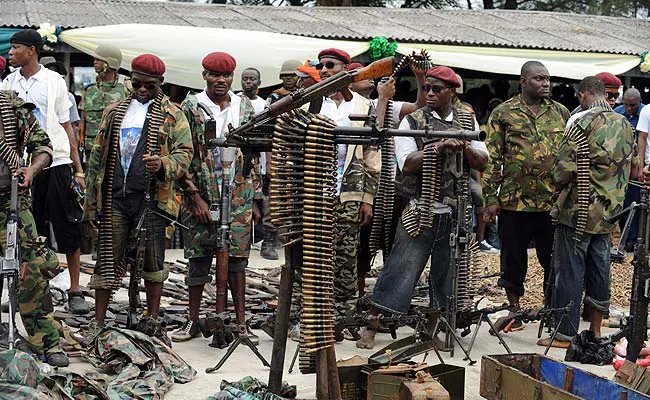
The Cambridge University study, based on interviews with 27 former Boko Haram members, found that the group’s ISWAP and JAS factions systematically employed AI chatbots to design improvised explosive devices and coordinate operations across northeastern Nigeria in 2023 and 2024.
In ISWAP‑controlled territory, senior operatives received hands‑on training in AI use, with trainers from major tech companies demonstrating how to bypass safety filters on platforms like ChatGPT, Claude, Gemini, Grok, Meta AI and DeepSeek.
Organised AI units emerged, staffed by engineers, bomb‑makers and weapons specialists, who operated from a solar‑powered room that housed laptops equipped with encrypted accounts and paid subscriptions to multiple AI services.
These units instructed bomb‑makers in real‑time, asking questions such as “How can I build a bomb?” and receiving step‑by‑step guidance tailored to the materials at hand; the technology also helped reconfigure commercial drones to carry explosives.
On the battlefield, fighters transmitted live footage to a base, where commanders uploaded images to ChatGPT for analysis and received immediate tactical advice; after failed attacks, operatives fed AI the mission details and footage to refine subsequent plans.
The findings, which highlight a rapid evolution of AI‑enabled terror tactics, have been forwarded to the United Nations Security Council, where experts are expected to debate tighter safeguards for commercial AI services.