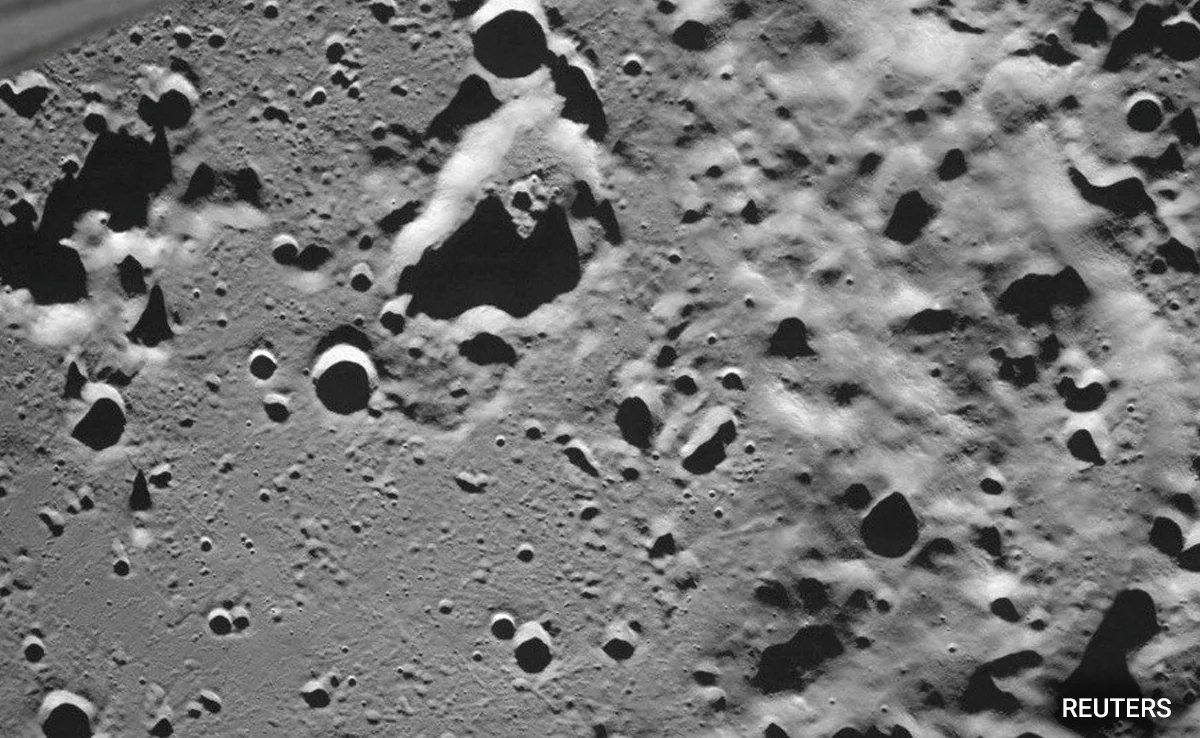
Jared Isaacman, NASA’s administrator, delivered a stark assessment of the lunar race at the Off World conference in Houston on Wednesday. He argued that a recent slip in China’s Chang’e 7 schedule provided the United States with a narrow window of opportunity. Without that delay, Isaacman stated, Beijing would have landed at Shackleton Crater, a site riddled with permanent shadowed regions known as 'cold traps' where water ice and other resources accumulate.
The stakes are not merely scientific; they are geopolitical. Isaacman explained that international safety protocols mandate exclusion perimeters of one to five kilometers around any landing craft. Whoever plants their flag first effectively draws a red circle that rivals cannot cross. "We may have dodged a bullet with the Chang'e 7 mission a couple of weeks ago because that would have gone to the Shackleton crater," Isaacman told the audience, via Ars Technica. The Chinese mission, designed with an orbiter, lander, rover, and a mobile 'hopper,' was poised to dominate that specific coordinate.
Isaacman painted a picture of a competitor determined to replicate its historic achievements. He noted that China aims to interact with the lunar water ice and eventually stage a "Neil Armstrong-like moment" on Mars. The urgency is palpable in the corridors of Washington and Houston alike. If the US arrives late to the south pole, the impact is felt globally, signaling a shift in space hegemony.
The American counter-move is already in motion. Blue Origin’s Blue Moon Mark 1 vehicle is scheduled for its initial launch in spring 2027. This large lander is designed to carry two NASA probes to the south pole, a critical step in securing the region before China’s next robotic foray.
Beijing is not slowing down. President Xi Jinping has labeled space exploration an "eternal dream," and reports suggest China is targeting a crewed lunar landing by 2030, making it the second nation to put humans on the Moon after the US in 1972. The budget remains opaque, but the trajectory is clear. The next few months will determine which nation’s robots touch the ice first, setting the precedent for who controls the moon’s most valuable assets.