Rwanda introduced a plastic‑bag ban in 2008 and outlawed single‑use plastics in 2019, yet roughly 70% of rigid post‑consumer plastic remains uncollected outside formal recycling streams. The uncollected waste has clogged Kigali’s drainage, triggered flash floods, and dumped microplastics into the Nyabarongo River, prompting the research team at Rwanda Polytechnic‑Ngoma College to devise a solution.
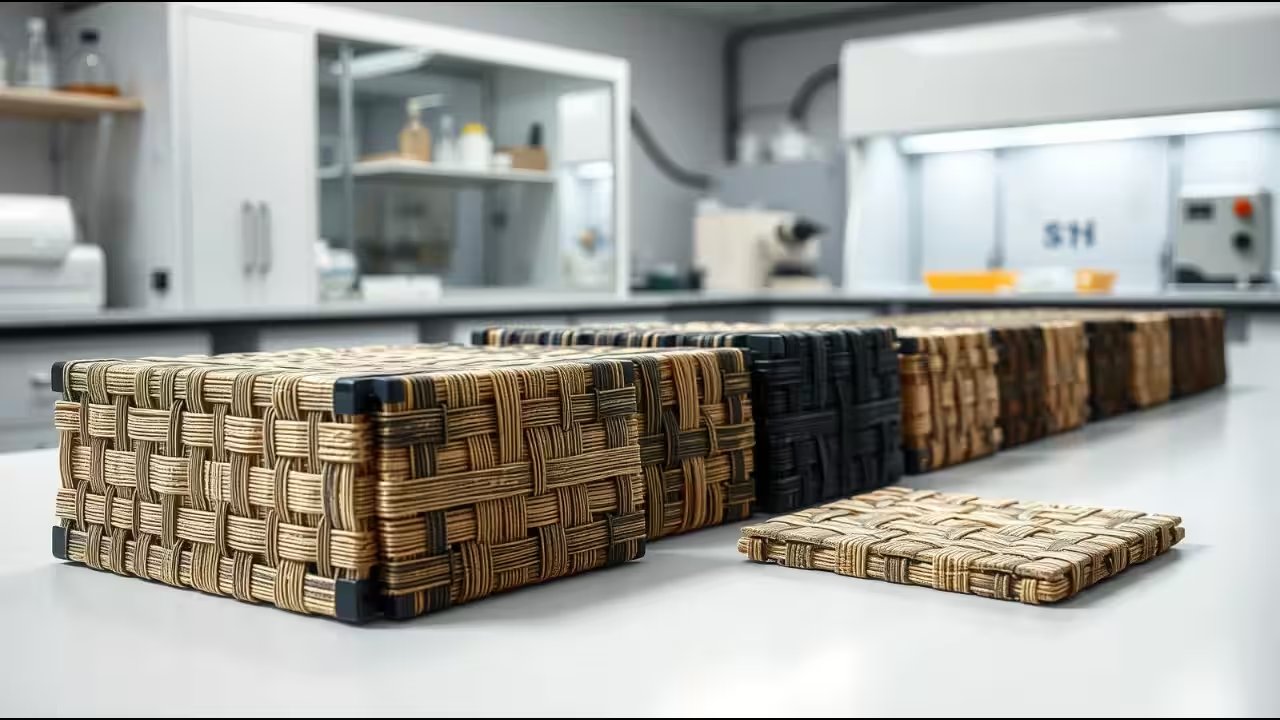
The experimental tiles combine 50.5% recycled high‑density polyethylene, PET, polypropylene, PVC and polystyrene, 26.5% marble chips, 13% cement, 5% sand, and a 5% volume of locally sourced sisal fibres. Plastic particles were heated to 200–300 °C, mixed with aggregates and fibres, poured into wooden moulds, and compressed before cooling. The process was carried out manually in a laboratory setting, with specimens cured at ambient temperature for seven days.
The 5% sisal formulation achieved a mean compressive strength of 41.66 MPa, a 38.3% increase over the 0% control, while three samples recorded a water absorption rate of just 0.225% after 24 hours. Compared with conventional ceramic (20–30 MPa) and Nyagatare granite (60–80 MPa) tiles, the recycled plastic tiles sit in the middle of the range, yet cost roughly 26,500–32,150 Rwandan francs per square metre—higher than ceramic but lower than granite.
Although the laboratory results are promising, the researchers note that industrial production would require advanced mixing, moulding and quality‑control equipment to ensure consistency. They call for pilot‑scale trials and the application of artificial‑intelligence models to predict long‑term durability, aiming to turn Rwanda’s plastic waste problem into a construction‑material opportunity.