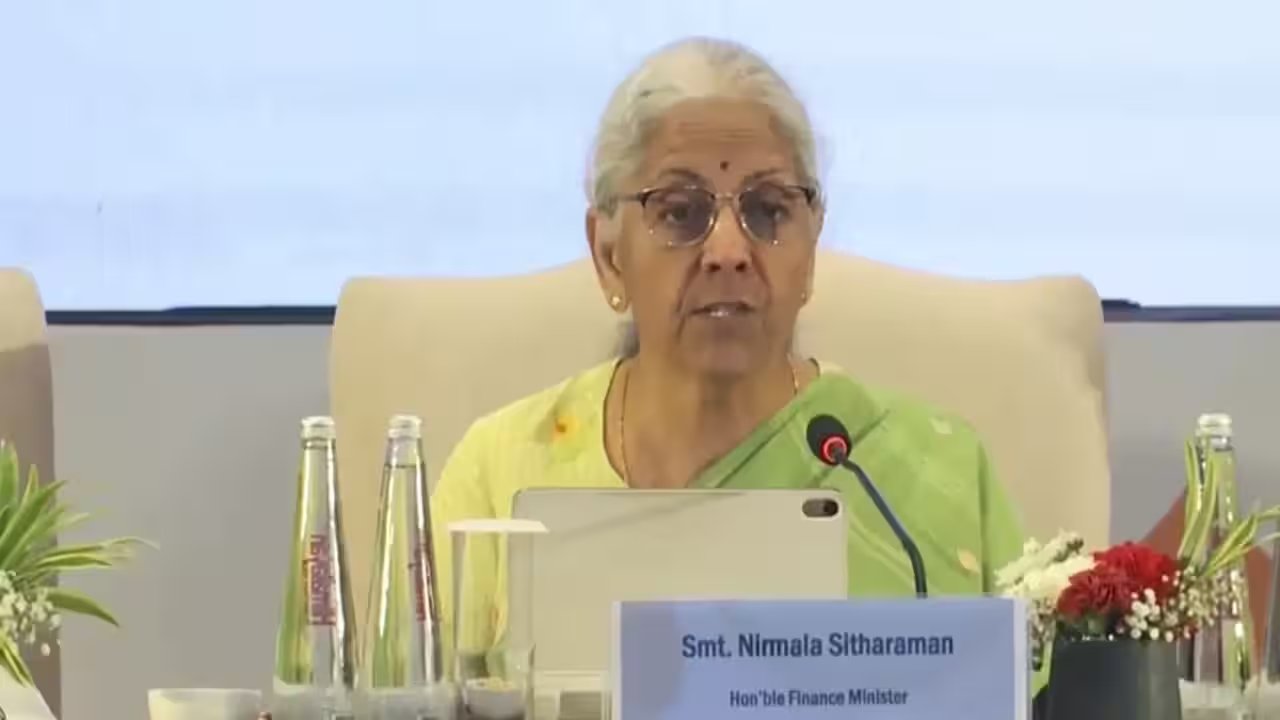
Sitharaman told reporters on Friday that the Merchant Discount Rate (MDR) on UPI transactions above ₹2,000 is not a government levy and will not be passed on to consumers. She emphasized that the fee is collected by NPCI, aggregators, POS vendors and merchant banks, and that it will be borne by merchants and banks, not the public.
Dilip Asbe, CEO of NPCI, added that about 75% of the ₹30 lakh‑crore UPI transaction value lies below the ₹2,000 threshold, leaving only 25% exposed to MDR. Of that, 80% comes from merchants with annual GMV over ₹1,000 crore, while the remaining 10% could theoretically see consumer costs.
The clarification clarifies that consumers will not pay the MDR; merchants and banks already shoulder the fee, and the large majority of UPI activity falls outside the MDR framework. NPCI’s data shows that 75% of transactions are below ₹2,000, and only a small slice of the burden could reach consumers.
With UPI volumes projected to rise 15‑17% this year, the government will monitor fee structures, but consumers can expect no surcharge on their bills.