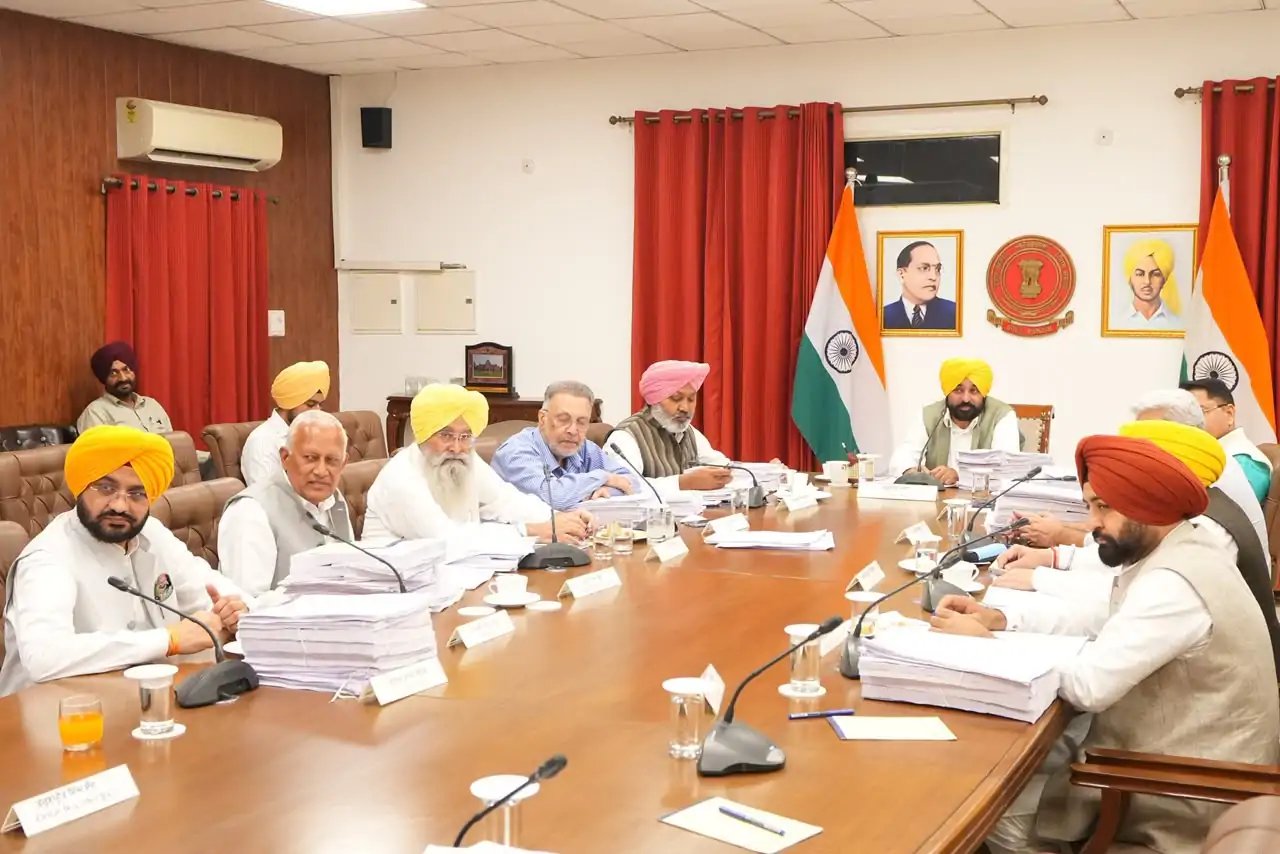
The Punjab Cabinet moved fast on Saturday, greenlighting the creation of 35 Exclusive Special NDPS Courts to dismantle the state's massive drug case backlog. Chief Minister Bhagwant Singh Mann chaired the Council of Ministers where this structural overhaul was finalized. The decision directly targets a clogged judicial system where 52,577 cases sat in limbo as of August 31, 2026, waiting for a verdict that often takes eight years to arrive.
The numbers behind the crisis are stark. Punjab registers about 20,000 NDPS cases annually, with roughly 27,000 arrests made each year. Yet, only 5,700 cases get disposed of yearly. Sessions Courts currently handle about 12,000 of these, leaving the rest to fester in a system designed for a different era. The Registrar General of the Punjab and Haryana High Court flagged this bottleneck, estimating that new dedicated courts are essential to clear the backlog over the next five to seven years.
To make this work, the government sanctioned 385 new posts. This includes 35 Additional District and Sessions Judges, 35 Assistant District Attorneys, and 315 supporting staff. The total estimated expenditure is ₹75 crore, covering infrastructure and salaries. Existing designated courts will keep running until the new facilities are fully up and running, ensuring no gap in legal proceedings.
For the thousands of families affected by the drug trade, this is more than paperwork. It’s a shift from a system where witnesses get lost in the shuffle to one where cases move with purpose. The dedicated courts will allow for better utilization of government witnesses and faster hearings. It’s a direct attempt to break the backbone of the drug menace by ensuring that justice doesn’t just happen, but happens quickly.
The next step is operational. The government will now begin the recruitment process for the 385 new posts and finalize the infrastructure plans for the 35 new court locations. With the average disposal time currently at eight years, the pressure is on to show that these new courts can actually deliver speed. The High Court’s assessment suggests a five-to-seven-year timeline for clearing the backlog, but the real test will be in the first 12 months of operation.