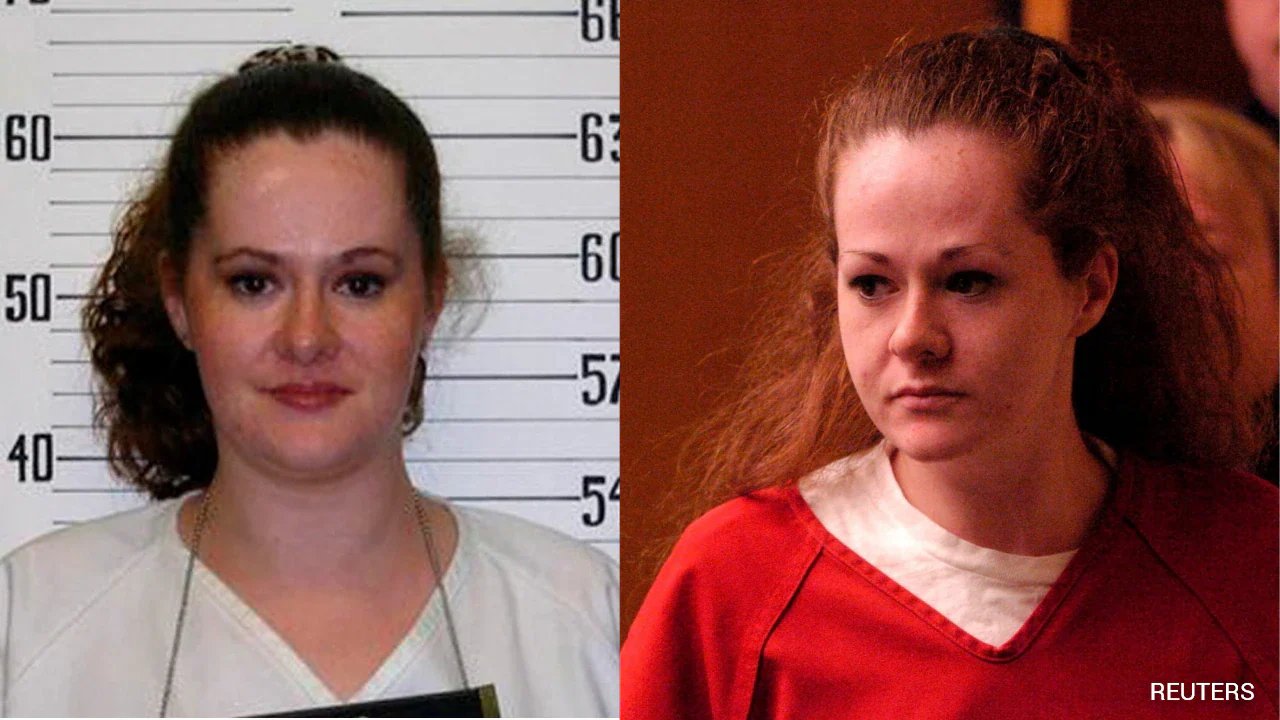
Christa Pike, 50, has spoken for the first time since surviving a lethal injection in Tennessee last month, describing a state of constant suffering that extends beyond her burned and blistered limbs. In a statement dictated to her legal team from a prison hospital, Pike revealed that she struggles to speak and feels isolated, claiming, "There hasn't been a moment since that night when I haven't been in pain... There is pain in my mind and in my soul."
The execution, which began just before 7:30 p.m. in October, was marred by procedural failures. Lawyers argued that two doses of pentobarbital likely pooled in Pike's arms rather than entering her bloodstream due to her thrombocytosis, a blood-clotting disorder, and difficult venous access. She remained conscious for much of the procedure, reporting burning sensations before falling unconscious. An ambulance did not arrive at the prison until roughly an hour and 45 minutes later.
Pike, who was 18 when she was convicted of torturing and stabbing 19-year-old classmate Colleen Slemmer in 1995, said she had been prepared to die peacefully. Instead, she woke alone and confused, now "searching for meaning" in her survival. Slemmer's mother, who traveled from Florida to witness the execution, was not present when Pike regained consciousness.
The incident has triggered a political and administrative reckoning in Tennessee. Frank Strada, the Department of Correction commissioner, announced his resignation, with his final day set for Oct. 31. In a 2025 deposition released this week, Warden Kenneth Nelson admitted that the execution team had stopped practicing IV line insertion, a practice previously mandated by protocol, citing a directive from the prison commissioner that he does not understand.
Pike's attorneys are petitioning Republican Gov. Bill Lee to commute her sentence to life in prison. Lee, however, signaled resistance to immediate clemency, telling reporters this week, "I suspect her sentence will be the same as before unless determined otherwise by the courts." A former US attorney has been tapped to conduct an independent review of the failed execution, and the state has postponed its other scheduled lethal injection for this year.