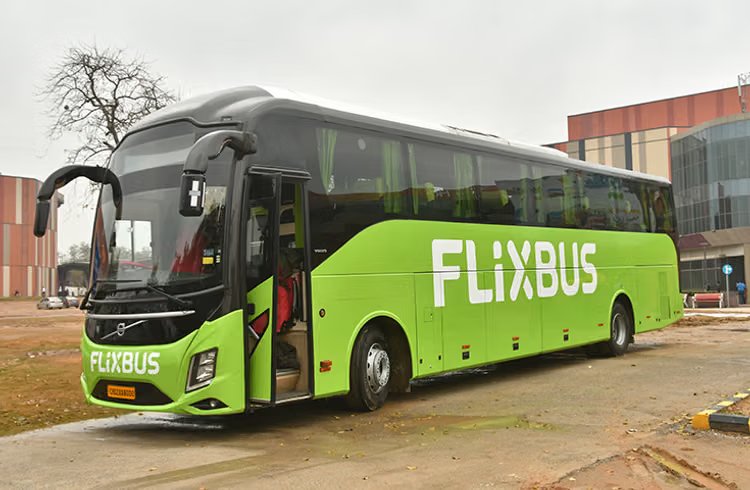
FlixBus is rolling out 120 new buses over the next two quarters, a move that will see the southern states host more than half of the company’s entire route map. That shift is a clear signal that the company is betting big on the city‑to‑city travel boom that’s already exploding in Bengaluru, Hyderabad and Chennai.
The company’s growth metrics are nothing short of staggering: Bengaluru’s capacity has jumped 260%, Hyderabad’s routes up 159% and Chennai’s doubled. These figures are based on a September 2026 year‑on‑year comparison and underscore how aggressively the firm is scaling across the south.
In addition to the bulk fleet upgrade, FlixBus is opening new intercity links to Guntur, Coonoor and Ooty, while also launching a sleeper service from Hyderabad to Puducherry that uses Volvo coaches. The sleeper option is a first for the brand in the region, giving travelers a more comfortable overnight experience.
Industry watchers note that this expansion puts FlixBus at odds with local operators who traditionally dominate the south. The company’s focus on high‑density, high‑frequency service could pressure rivals to improve their own network coverage or move to premium offerings.
The push also dovetails with the Indian government’s push to enhance inter‑city connectivity and reduce carbon footprints. Though FlixBus hasn’t announced any electric‑bus plans yet, the timing aligns with the nation’s broader transportation reforms.
Surya Khurana, Managing Director of FlixBus India, said the southern market is now a core part of the company’s strategy. "South India has become a significant part of FlixBus India's journey," he told reporters, adding that the next phase is about building density.
The new buses will hit the road in Q3 and Q4 of 2026, with Bengaluru, Hyderabad, Chennai, Guntur, Coonoor, Ooty and Puducherry among the first destinations. Buyers and commuters should keep an eye on further rollouts into other southern states, and on whether FlixBus will introduce electric or hybrid models in the near future.