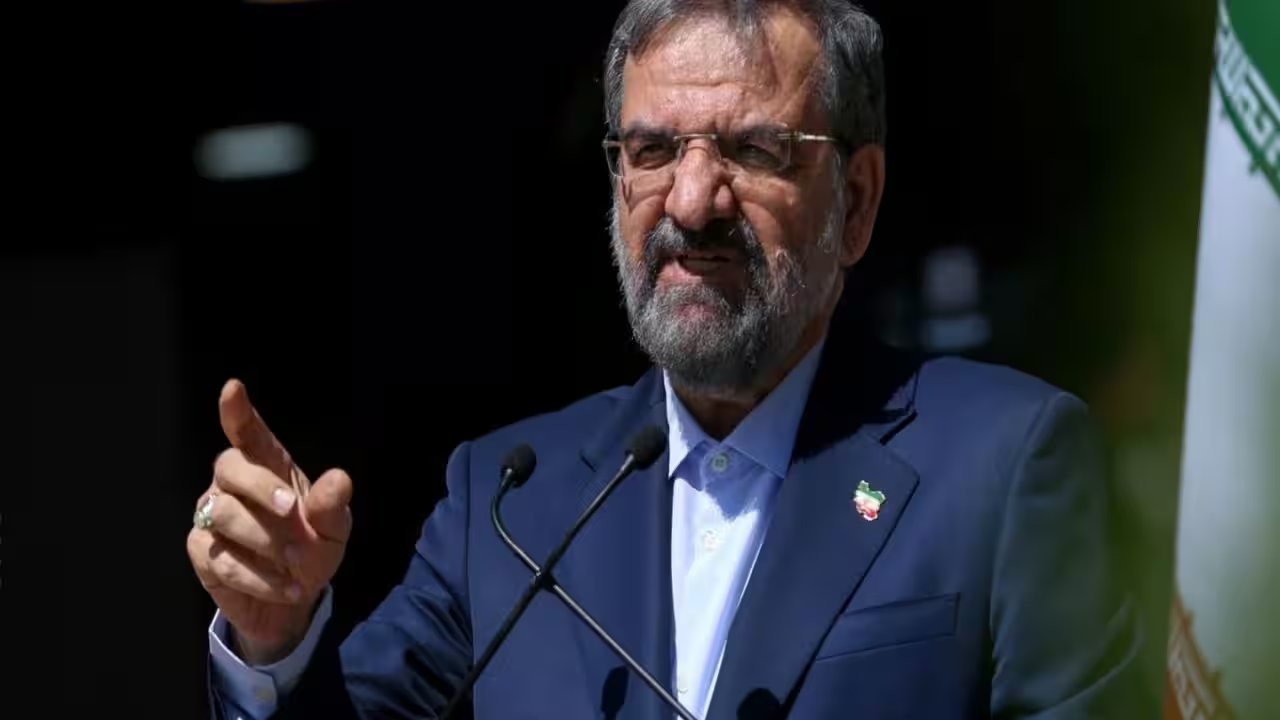
Mohsen Rezaei, secretary of Iran's Supreme National Security Council, declared a diplomatic victory on Saturday. He told state broadcaster IRIB that the tone of a letter received from Washington had shifted completely. "This shows that our people have secured their victory," Rezaei stated. The letter, addressed to him and delivered through Qatari mediators on Sunday, marks the first public Iranian acknowledgment of US outreach.
The content of the letter remains a point of contention between US media outlets. The New York Times reported the proposal suggests direct negotiations led by Vice President JD Vance, with Iran's nuclear program on the table from the start. The Wall Street Journal, citing a source familiar with the matter, described the document merely as a broad "framework for negotiations" rather than specific peace conditions. Both outlets agree the letter was sent on instructions from President Donald Trump.
Diplomatic momentum appears to be building, even as tensions remain high. Foreign Minister Abbas Araghchi told Al Jazeera on Saturday that Tehran viewed the outreach as a "positive step." An aide traveled to Doha for consultations, and Al Jazeera sources indicate a meeting between the two sides could occur within a week. Doha and Istanbul are the leading candidates for the venue.
Yet, the diplomatic track coexists with a hardline military threat. Supreme Leader Mojtaba Khamenei warned that any further "miscalculation" by the US or Israel would trigger retaliation that is "geographically unrestricted." "It is the armed forces of the Islamic republic and the Iranian nation that will determine the time and conditions for their end," Khamenei said.
In Washington, President Trump remains confident in his leverage. Speaking at the White House on Friday, he claimed Tehran was "in a lot of trouble" and eager to negotiate. "There are talks, they want to talk, they keep talking," Trump said, adding that he had "time, frankly." He expressed confidence the conflict would end "very soon."